
Journal
Articles

wet flowers
names: zoloft. lyrica. cipramil. avanza. neulactil. quetiapine. cymbalta. because. because of it. depression. major depression. dysthymia. melancholia. intractable. medication-resistant. they’re called clamshells, those little plastic cavities. yet they never yield a pearl.

Certified flesh
Body horror is a filmic genre, inseparable from cinema and related in particular to the revolution in special effects that began in earnest in the 1960s. The emergence of the Canadian director David Cronenberg was catalytic, heralding as it did a squishy synthesis of big ideas and sweaty latex, a cinematic imaginary unlike anything hitherto labelled ‘horror’. In body horror, corporeality itself constitutes the main source of the uncanny.
Working from home
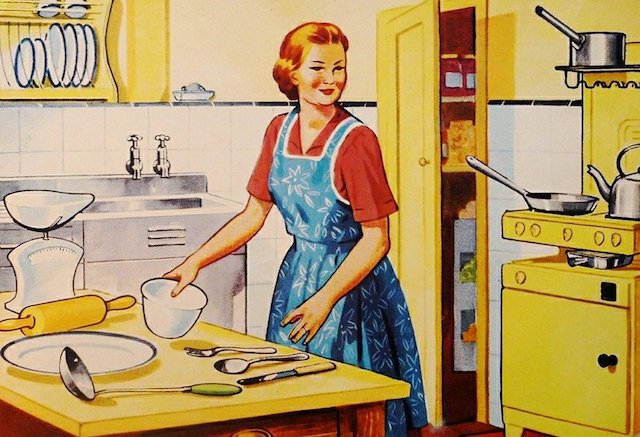
Not surprisingly, the tradwife movement has been broadly criticised for its conservative sentiments. I agree with these assessments... But much of the discussion in response to the trend also, I think, tends to miss the point. Because if we look closely, we can see that the central concerns of the tradwife movement are indeed feminist concerns.
Fire and finitude
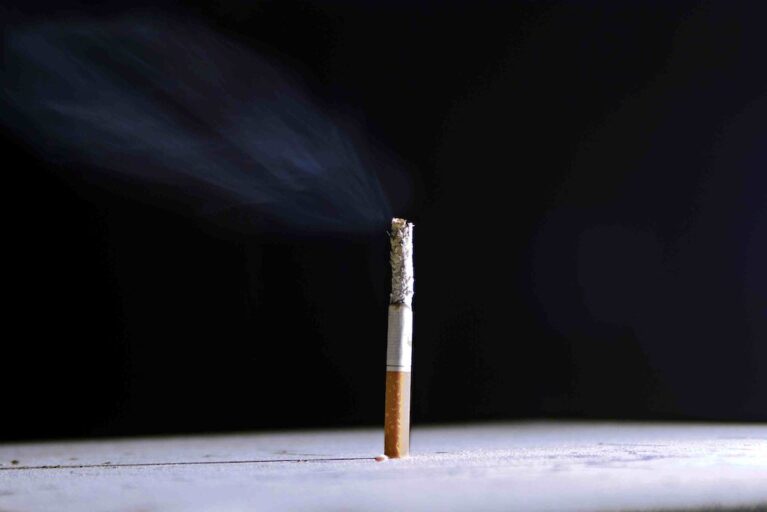
Nobody any more seriously doubts that cigarettes are injurious… What is not well understood by those opposed to smoking is that the danger of cigarettes is not antithetical or even peripheral to their appeal – it is central to it.
Bill’s secrets
Janet was about to discover that Bill was born into a Welsh coal-mining family, most of whom were still alive when she married him – including his mother, living in the Probert family house in Ynyshir. Ynyshir, we learn, is in the Rhondda Fach, South Wales. Apparently Roy simply disappeared from their life at the end of the Second World War.
Notes from a Sunshine City
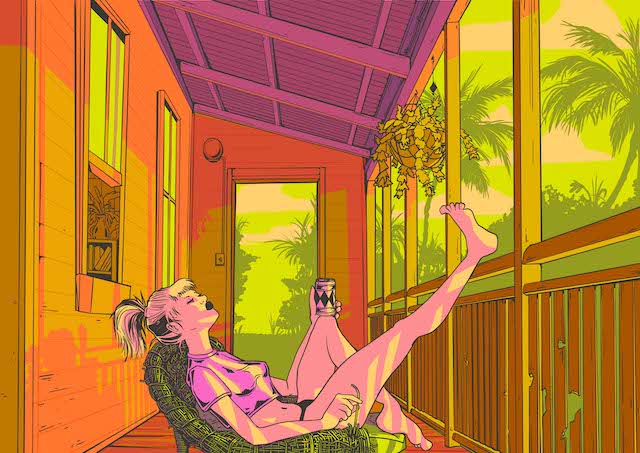
I feel like our collective relationships with The House™ as a motif changed so much during that time; the housing crisis, lockdown and climate apocalypse were looming large all at once. Personally, I developed this kind of bizarre voyeuristic relationship with the suburbs and houses I passed on my mandated mental-health walks.
Safe as houses
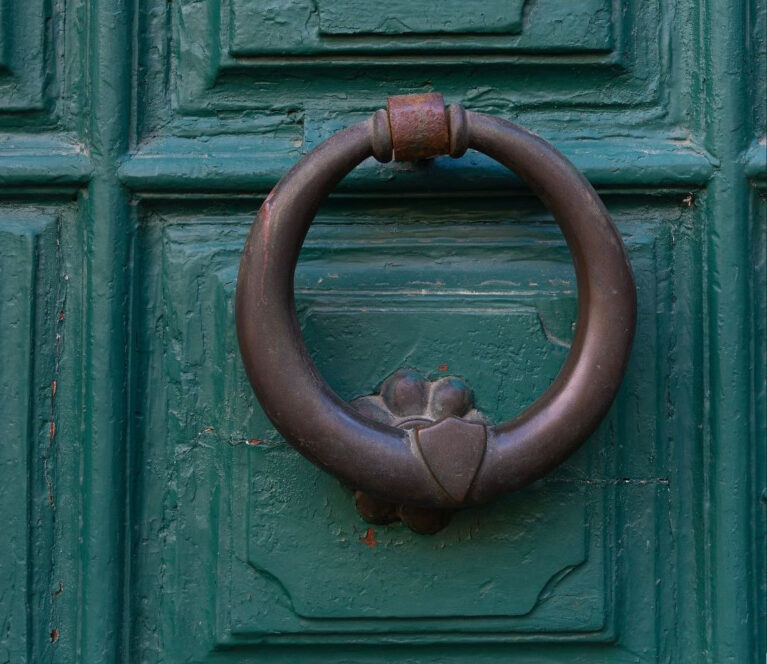
Sometimes, if I can’t get to sleep, I imagine I’m back in the house where I grew up… I like to go back there in my mind’s eye, conjuring the slightly crooked hallway, the doors that never neatly fit their frames, the tiny kitchen with its overwhelmingly wheaten spectrum of 1980s browns.
No secret passageway
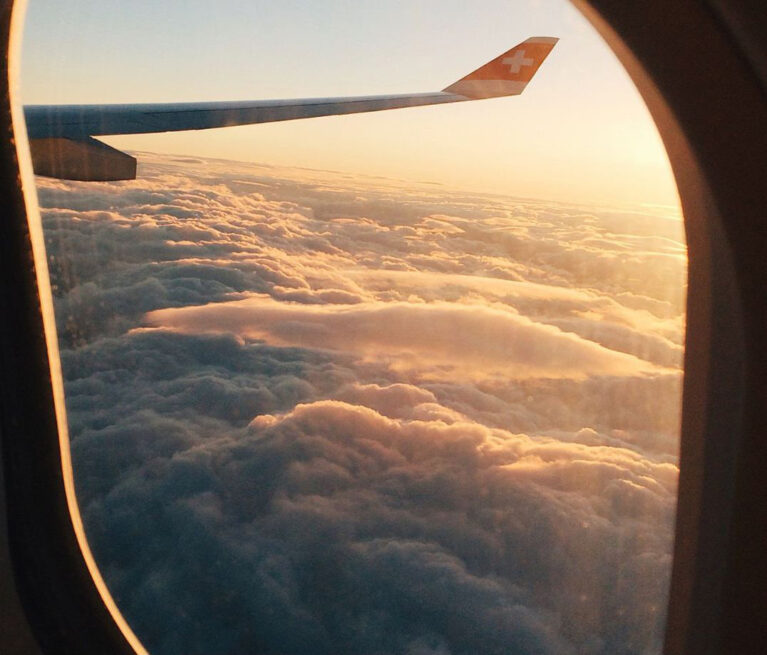
In 2001 I read an article in The Guardian newspaper about a man who fell from the sky, landing in a superstore car park not far from where I live in London. The article, by journalists Esther Addley and Rory McCarthy, detailed how the Metropolitan Police discovered the dead man’s identity through a combination of luck, Interpol and British-Pakistani community workers. Muhammad Ayaz had managed to slip through security at Bahrain airport, run across the tarmac and, according to witnesses on the plane, disappear beneath the wing of the British Airways Boeing 777. The article quotes a spokesman from the International Air Transport Association: a myth circulates that there is a ‘secret hatch from the wheel bay into the cargo bay, and then into the passenger cabin, as if it were a castle with a dungeon and a series of secret passageways’. No such passageway exists and Muhammad would have found himself trapped in the wheel bay with no oxygen, no heating and no air pressure as well as no way out. If he wasn’t crushed or burned by the retracting wheels, he may have frozen to death once the flight reached 30,000 feet, finally falling out hours later when the plane lowered its landing gear as it prepared to touch down at Heathrow.
Home is where the haunt is
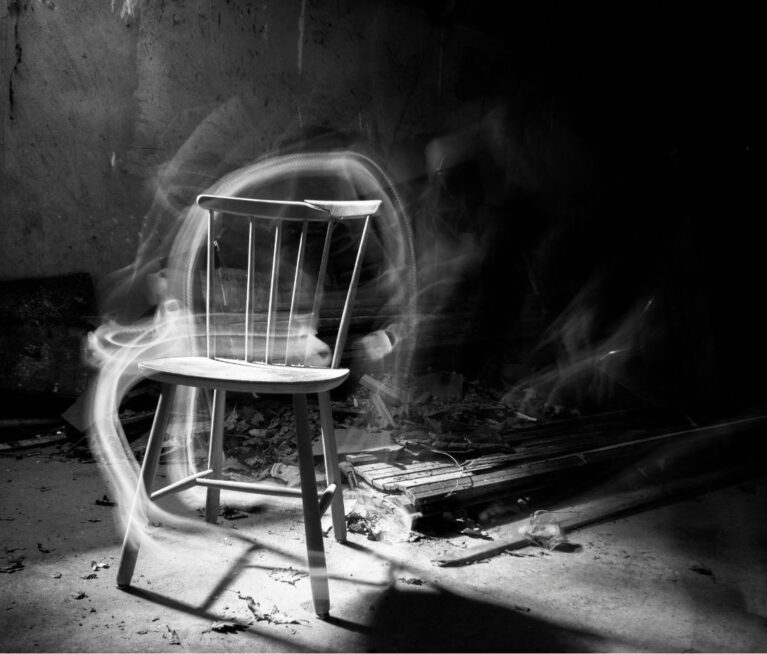
Ghosts, like people, tend to be attached to a particular place. The term ‘to haunt’ in English has three linked meanings. First, for a ghost to manifest itself at a place regularly: a grey lady who haunts the chapel. Second, to be persistently and disturbingly present in someone’s mind: the sight haunted me for years. Third, to frequent a place often and repeatedly: that’s his old haunt. Home and haunting go hand in hand. Ghosts don’t haunt an entire city. They haunt a specific house, a dwelling, usually assumed to be the place where they died.
Interstitial
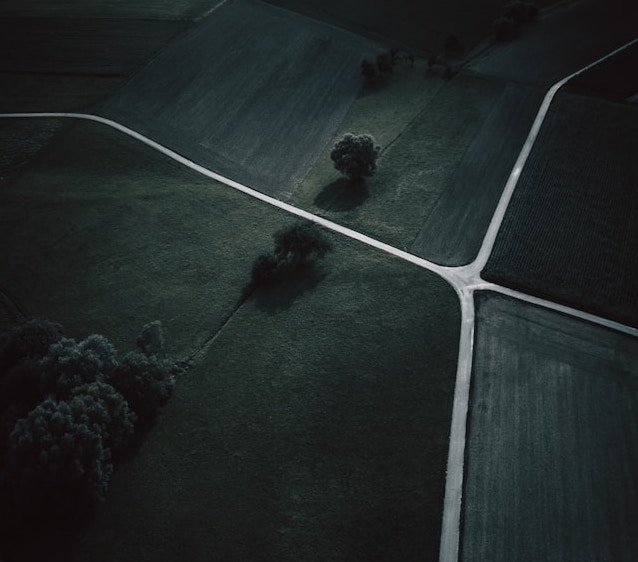
American sociologists John and Ruth Hill Useem first coined the term ‘third culture kid’ in the 1950s to describe the experience of Americans who were raised abroad in a culture different to their birth culture. This term reflects the way children raised overseas straddle three cultures: the culture of their birth, the culture within which they are raised, and a third, nebulous culture – the culture they create through the way they learn to relate to each other. The third culture is interstitial, not an amalgam. ‘Third culture kid’ (TCK) is a term often used as shorthand. Many TCKs will have experienced more than one cultural shift too. Those with diplomatic, military or missionary families are often raised in multiple countries, and others, like me, will continue their travels overseas as adults too, exercising the global and economic mobility they know well.
Home as a weapon of cultural destruction
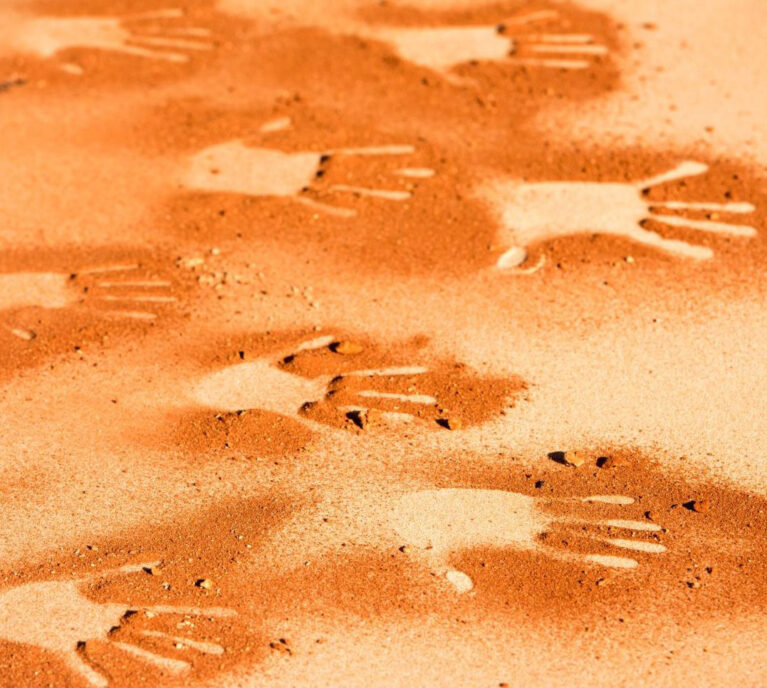
It was simply expected that Aboriginal people would accept the values and behaviour of the dominant European culture. The Welfare Board insisted that Aboriginal people not only earn an independent living but show the Board they could save money in a bank account. They had to demonstrate that they were avoiding contact with other Aboriginal people and refusing to participate in community-oriented activities, such as sharing resources with kinsfolk and travelling to visit their relatives and home Country. Over and over again, the Board’s reports criticised Aboriginal people for being among their own kind and clinging together in groups. To achieve their assimilation aims, the Welfare Board implemented a crude ‘carrot and stick’ incentive in an attempt to modify Aboriginal behaviour: if Aboriginal people could convince the Welfare Officers that they had cut themselves off entirely from their culture, family and land, they would be rewarded with an ‘Exemption Certificate’.
Buy, recycle, repeat
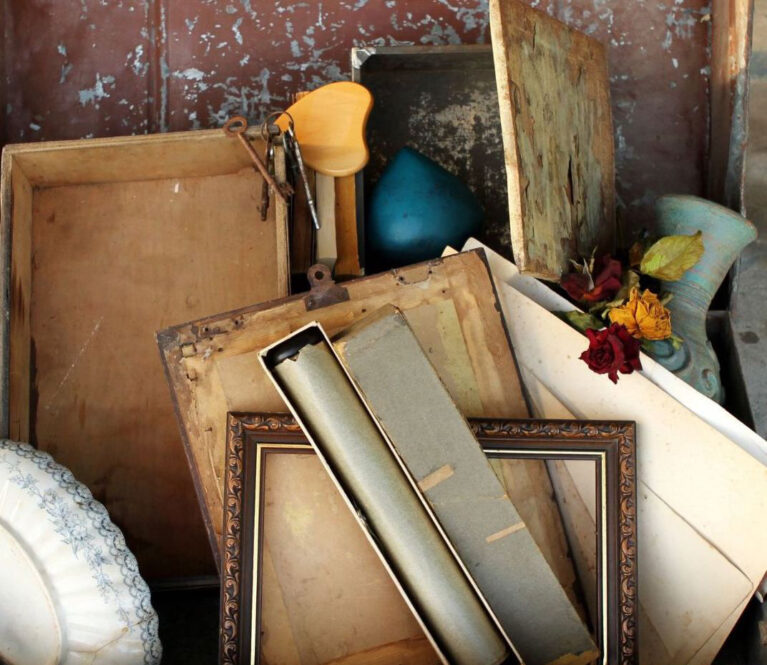
The tip shop creates a vacuum of sentimentality. This only adds to the thrill of the hunt, where the search becomes bigger than the thing itself. In that moment, time alters. The past and present merge and we step outside, just for a second, the familiar cycles of desire and need that shape our daily lives. For a moment, something can be treasured, even if the object of our fantasy exists only in our minds. We look for it in the piles of things people leave behind, searching through the rubbish; all we’re really looking for is ourselves. Reflected back to us are the rain-washed artefacts of our consumption that are lined up and sorted on pallets and old tables. The metallic shells of old fireplace flues, stacks of doors and aluminium windows, fishing nets and old tyres that fill the outside lot. And inside: old Tupperware containers; several plastic lids, the kind you put over food warming in the microwave; all of Stephanie Meyer’s books; a DVD box set of Felicity; every movie starring Katherine Heigl; novelty mugs and champagne glasses.
