Home as a weapon of cultural destruction

The politics of dispossession

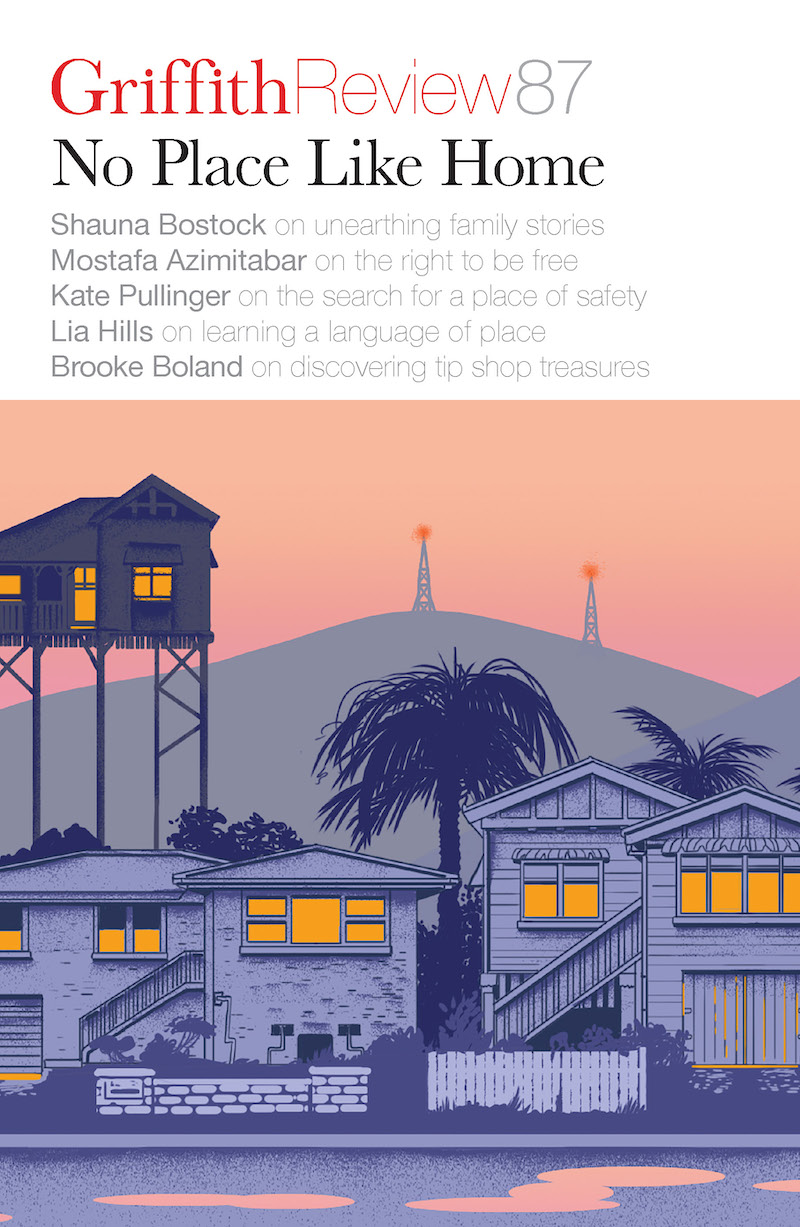
Featured in

  • Published 20250204
  • ISBN: 978-1-923213-04-3
  • Extent: 196 pp
  • Paperback, ebook. PDF

IT WILL PROBABLY be considered controversial of me to contend that within this nation’s Aboriginal history, home has been wielded by successive Australian governments as a weapon of cultural destruction. I am an Aboriginal historian, and as I sat down to write about the idea of ‘home’ from the perspective of Aboriginal people in history, I felt anger rising in me as I bitterly muttered, ‘What bloody home?’

This response comes from the hindsight I’ve gained over years of intense research into the lives of my ancestors and other Aboriginal people in Australian history. Time and time again, the government has weaponised home as a means of maintaining power over Aboriginal people. In fact, I would argue that there was malicious intent underlying these government policies and dealings. Along with other weapons in their arsenal, such as dispossession, land theft, displacement, segregation, stolen children and assimilation, governments used home as an inconspicuous yet pervasive weapon in their attempts to annihilate Aboriginal culture.

Already a subscriber? Sign in here

If you are an educator or student wishing to access content for study purposes please contact us at griffithreview@griffith.edu.au

Share article

More from author

At that time in history

EssayYVONNE DE CARLO was a Canadian-born, American movie actor. The famous beauty was at the height of her film career in the 1940s and...

More from this edition

Mesopotamia

FictionTheir camp is on a floodplain, dirt baked dry for now, among a stand of black box trees. Close to the bank, river red gums tower and would provide better shade, but Kim had been worried about falling branches. From a rise near their tent, they can monitor the vast, slow drift of the watercourse, progress marked by its bobbing contents. Wordlessly, this is how they spend most of their time.

Painting behind bars

In ConversationEvery time I grab a toothbrush, it makes me smile that [this all began] at Manus. I mean, this technique comes from suffering. This is not from university. I am forbidden from studying or getting a qualification here, but sometimes we can learn from suffering. I am managing to heal my trauma [with] painting. Whenever I feel sad, I paint. Whenever I feel happy, I paint. It’s like a treasure, how can I explain it? It’s invention, it’s something that hasn’t happened before. Everyone uses a toothbrush, but when I paint with a toothbrush I feel it helps me understand that my work, the marks I make, are very unique. It brings the story back. I don’t want people to forget about the story because I don’t want to escape from who I was, who I am. I would like to share the truth that this happened to me.

Shelf life

Non-fictionEarly in his career, Charles Dickens notably underestimated the reputational risk of library-shelf browsing when he invited the critic George Henry Lewes home for tea. Over steaming cups, Lewes eyed naff triple-decker novels and bland travel books, ‘all obviously the presentation copies from authors and publishers’. He recalled the experience in a waspish elegy published shortly after Dickens’ death: ‘A man’s library expresses much of his hidden life, I did not expect to find a bookworm, nor even a student, in the marvellous “Boz” but nevertheless this collection of books was a shock.’

Stay up to date with the latest, news, articles and special offers from Griffith Review.