
Featured in
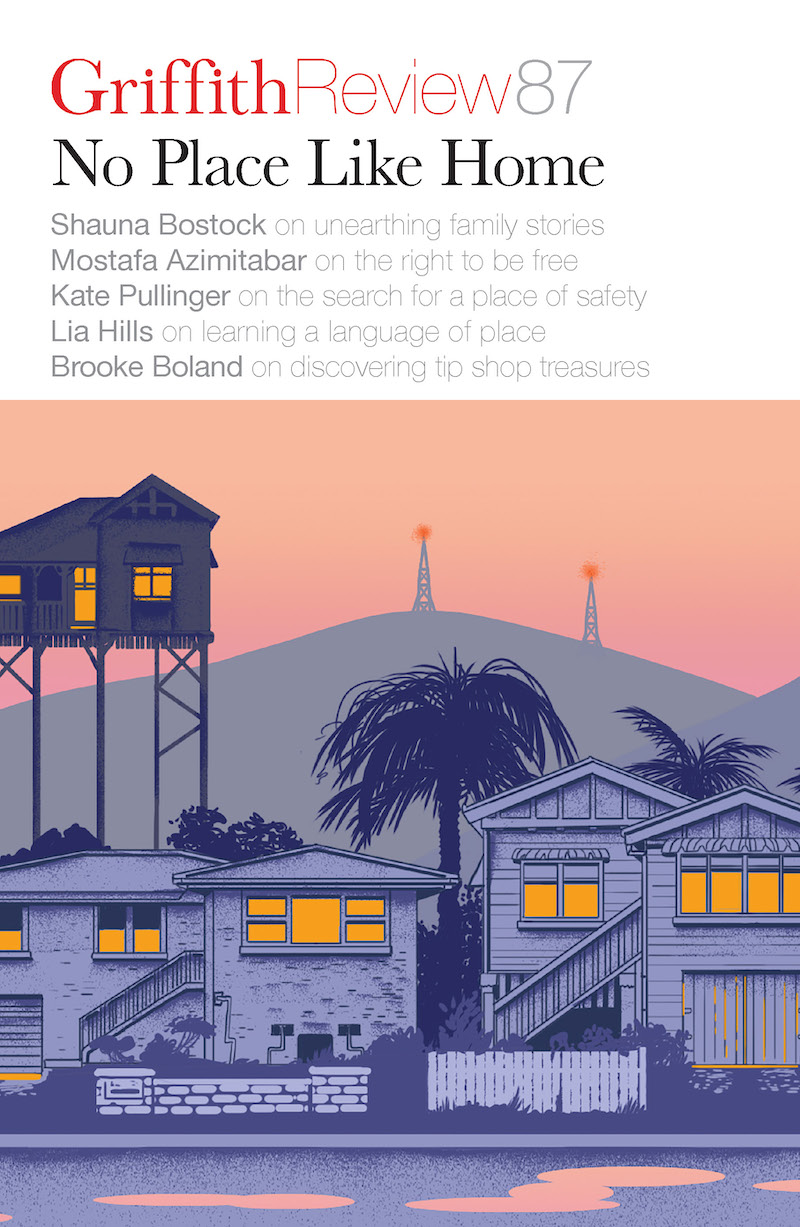
- Published 20250204
- ISBN: 978-1-923213-04-3
- Extent: 196 pp
- Paperback, ebook. PDF
Already a subscriber? Sign in here
If you are an educator or student wishing to access content for study purposes please contact us at griffithreview@griffith.edu.au
Share article
More from author
Staying faithful to Earth
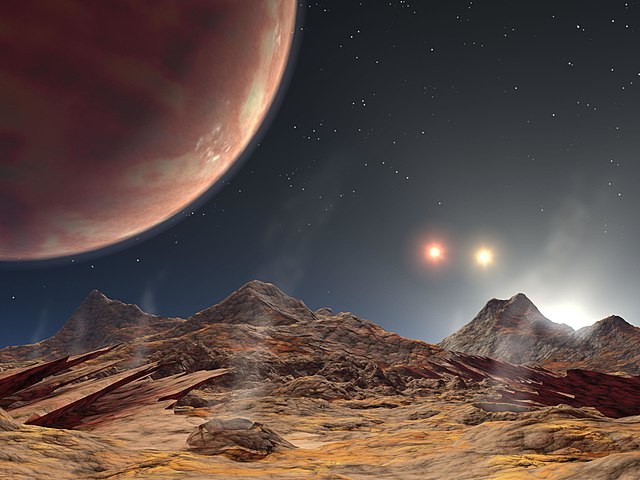
Non-fictionIt is a startlingly new discovery that there are more planets than stars in our galaxy. Even if early astronomers (like Kepler) intuited that other suns must have planets, we didn’t have definitive proof until very recently that our solar system is not unique in consisting of planets orbiting a star. The first exoplanet was confirmed in 1992; the first exoplanet around a star similar to our sun was discovered in 1995. The latest count is over 5,000 and growing. Discoveries have stacked up so fast that astronomers and astrophysicists who used to know each individual exoplanet by name now say it’s impossible to keep track of those that exist in just one small part of the Milky Way, with thousands more expected to be found in the coming years.
More from this edition

hearth
Q & A yes, one day, finally, it will all fall away like all dead things we will sit again by the campfire story illuminating the fall of empire one day again we...

Sissys and bros
Fiction‘Sydneysiders woke up to a red dawn this morning due to an eerie once-in-a-century weather phenomenon.’ This was straight after school, before my shift. Channel 9’s Peter Overton was blaring from the TV. My five sisters and two brothers yelled about Mumma hogging the remote. Overton’s robot voice followed me into my room. I tugged off my Holy Fire High School blazer. Our emblem: Bible beneath a burning bush. Our motto: Souls Alight for the Lord and Learning. Fumbled through the dirty laundry basket for my dress-like work shirt that stunk of rancid onion. Our logo: a pepperoni pizza wearing a fedora and holding a Tommy gun. Our motto: Happy Mafias Pizza: Real Italians Leave the Gun and Take the Cannoli.
Songs of the underclasses
Non-fictionDiē was the best driver I knew. ‘When you drive, you stare at everything but see nothing. You’re inexperienced,’ he lectured. ‘When I drive, I stare at nothing – I can chat, I can sing. But I see everything. Parking spaces, jaywalkers with a death wish, doggies and kitties. And for hours at time, without breaking concentration. It’s like meditation.’ Diē’s love language included showing me footage of near-miss traffic incidents on WeChat. Each trip of ours decreased my risk of appearing in his feed. These hours became the most time we had ever spent together.
