
Featured in
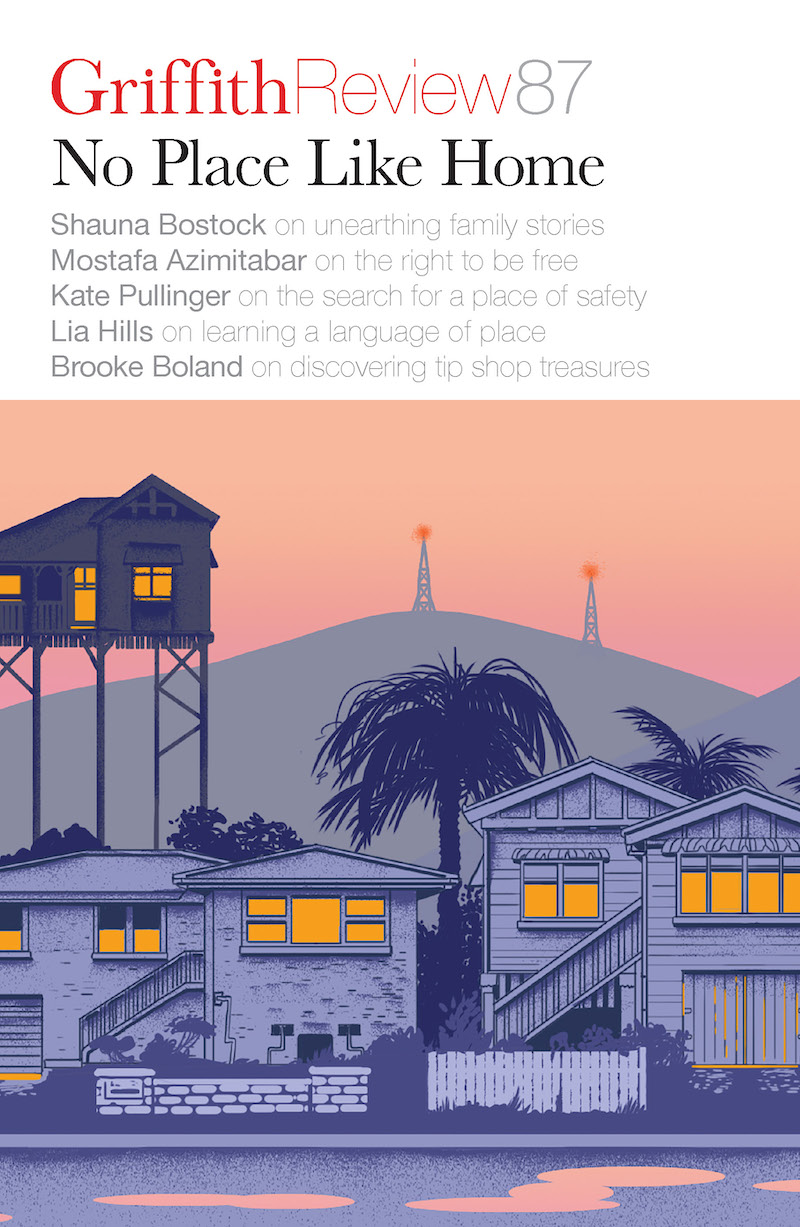
- Published 20250204
- ISBN: 978-1-923213-04-3
- Extent: 196 pp
- Paperback, ebook. PDF

Already a subscriber? Sign in here
If you are an educator or student wishing to access content for study purposes please contact us at griffithreview@griffith.edu.au
Share article
More from author

Gay saints
Frescoes are cinema avant la lettre, or at least the tech. Wall spanning, the Renaissance frescoes anticipate not only the magnitude and dynamism of cinema but the possibilities of the camera to manipulate the eye. For Pasolini, cinema is essentially oneiric; key narrative developments hinge on dreams, as in Accattone, not because they are shortcuts to the interiority that cinema otherwise denies but because films themselves are dreamwork, beholden to dream logic. In the written Gospel According to Matthew dreams are especially prominent, the otherwise gnomic character of Joseph receiving no fewer than four nocturnal communiques from God. To dream, then, is to be most open to communion with the supernatural, the sacred and the divine.
The streetwalking sequences in Pasolini’s second film, Mamma Roma (1962), typify both his understanding of films as dreams and his conflation of the sacred with the profane. Striding through an open-air brothel, Anna Magnani’s Mamma Roma is trailed by a procession of johns, imperiously indifferent to their presence as she soliloquises divergent scraps of autobiography. The transition from realism to dream logic is seamless – her separate accounts of her erstwhile marriage explicitly contradict one another, leaving the mystery of her son Ettore’s father unresolved.
More from this edition

Mesopotamia
FictionTheir camp is on a floodplain, dirt baked dry for now, among a stand of black box trees. Close to the bank, river red gums tower and would provide better shade, but Kim had been worried about falling branches. From a rise near their tent, they can monitor the vast, slow drift of the watercourse, progress marked by its bobbing contents. Wordlessly, this is how they spend most of their time.

hearth
Q & A yes, one day, finally, it will all fall away like all dead things we will sit again by the campfire story illuminating the fall of empire one day again we...
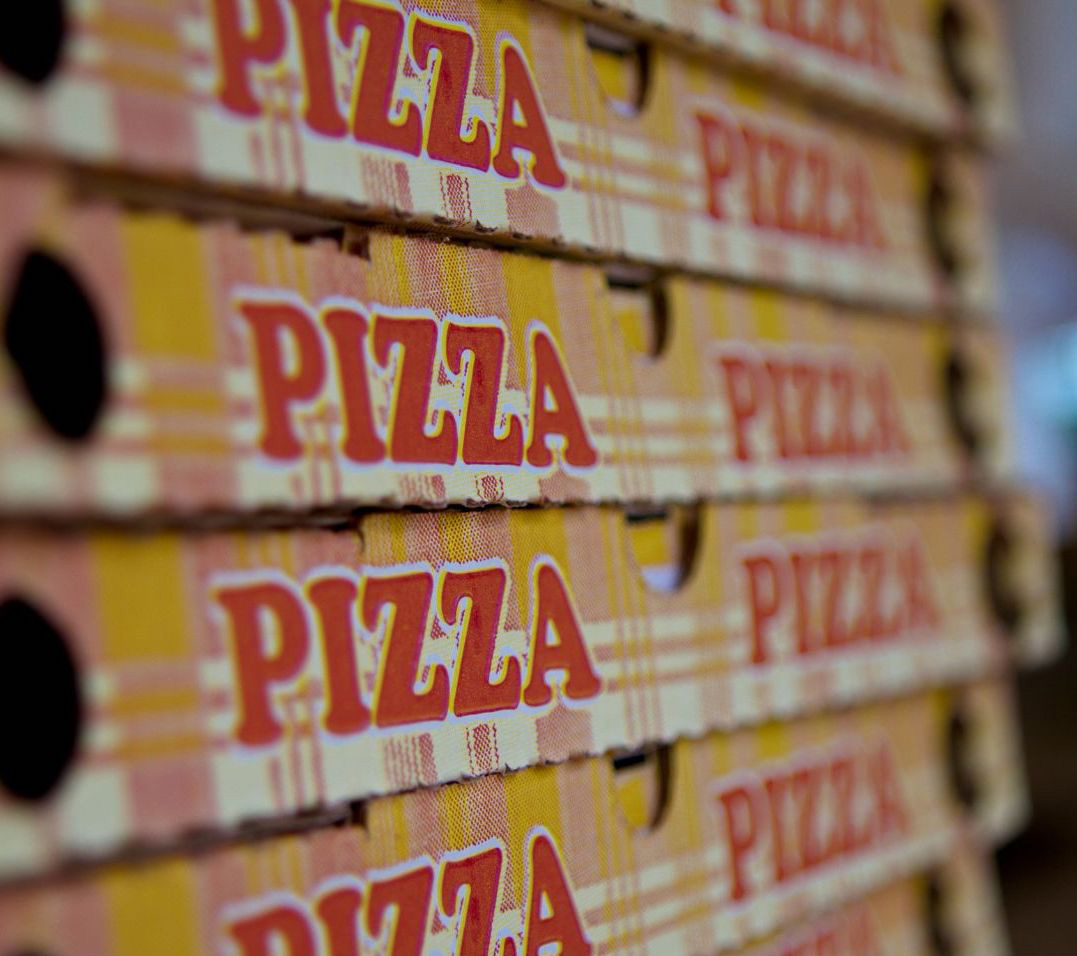
Sissys and bros
Fiction‘Sydneysiders woke up to a red dawn this morning due to an eerie once-in-a-century weather phenomenon.’ This was straight after school, before my shift. Channel 9’s Peter Overton was blaring from the TV. My five sisters and two brothers yelled about Mumma hogging the remote. Overton’s robot voice followed me into my room. I tugged off my Holy Fire High School blazer. Our emblem: Bible beneath a burning bush. Our motto: Souls Alight for the Lord and Learning. Fumbled through the dirty laundry basket for my dress-like work shirt that stunk of rancid onion. Our logo: a pepperoni pizza wearing a fedora and holding a Tommy gun. Our motto: Happy Mafias Pizza: Real Italians Leave the Gun and Take the Cannoli.
