
Featured in
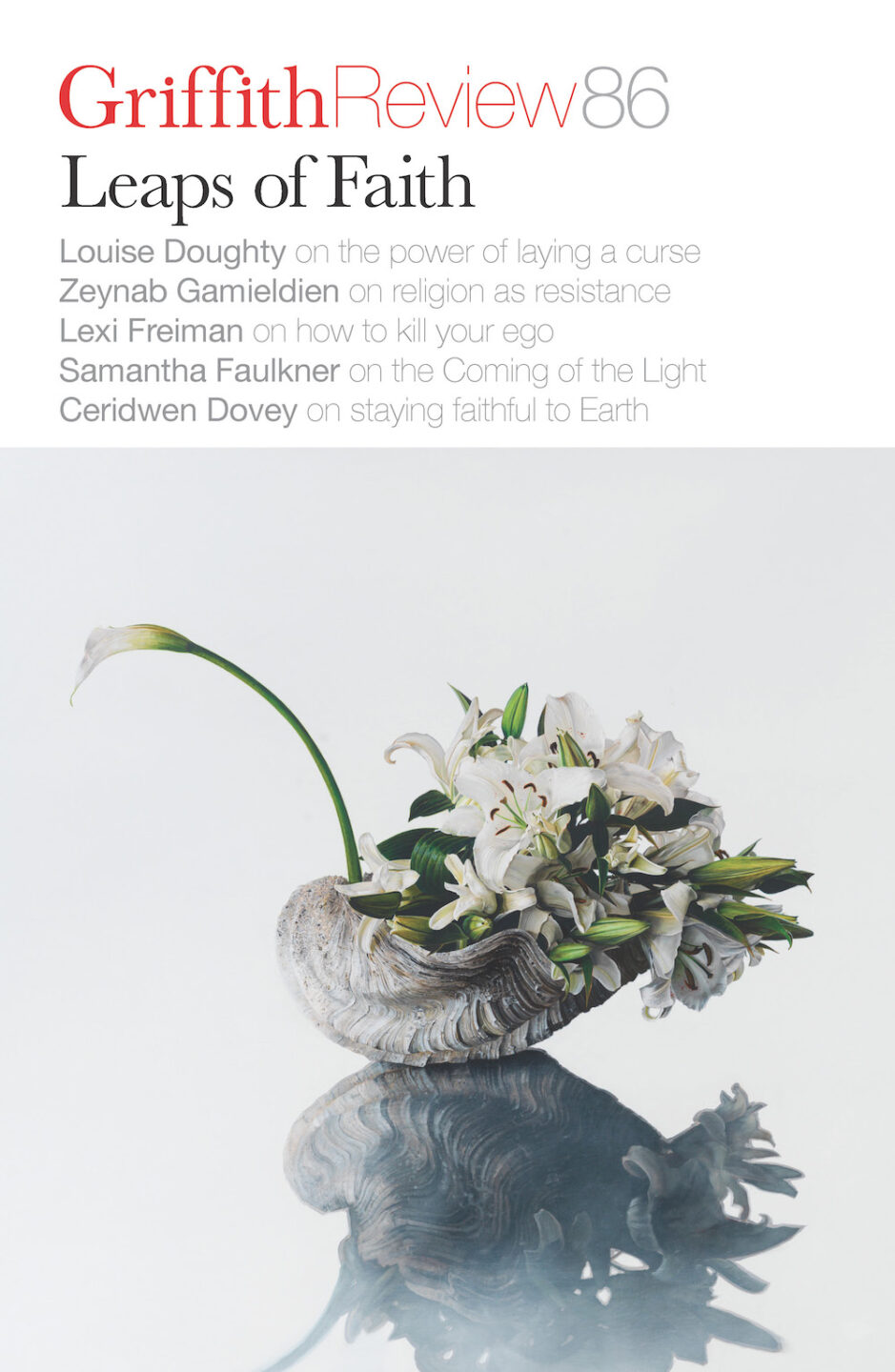
- Published 20241105
- ISBN: 978-1-923213-01-2
- Extent: 196 pp
- Paperback, ebook, PDF

Already a subscriber? Sign in here
If you are an educator or student wishing to access content for study purposes please contact us at griffithreview@griffith.edu.au
Share article
More from author
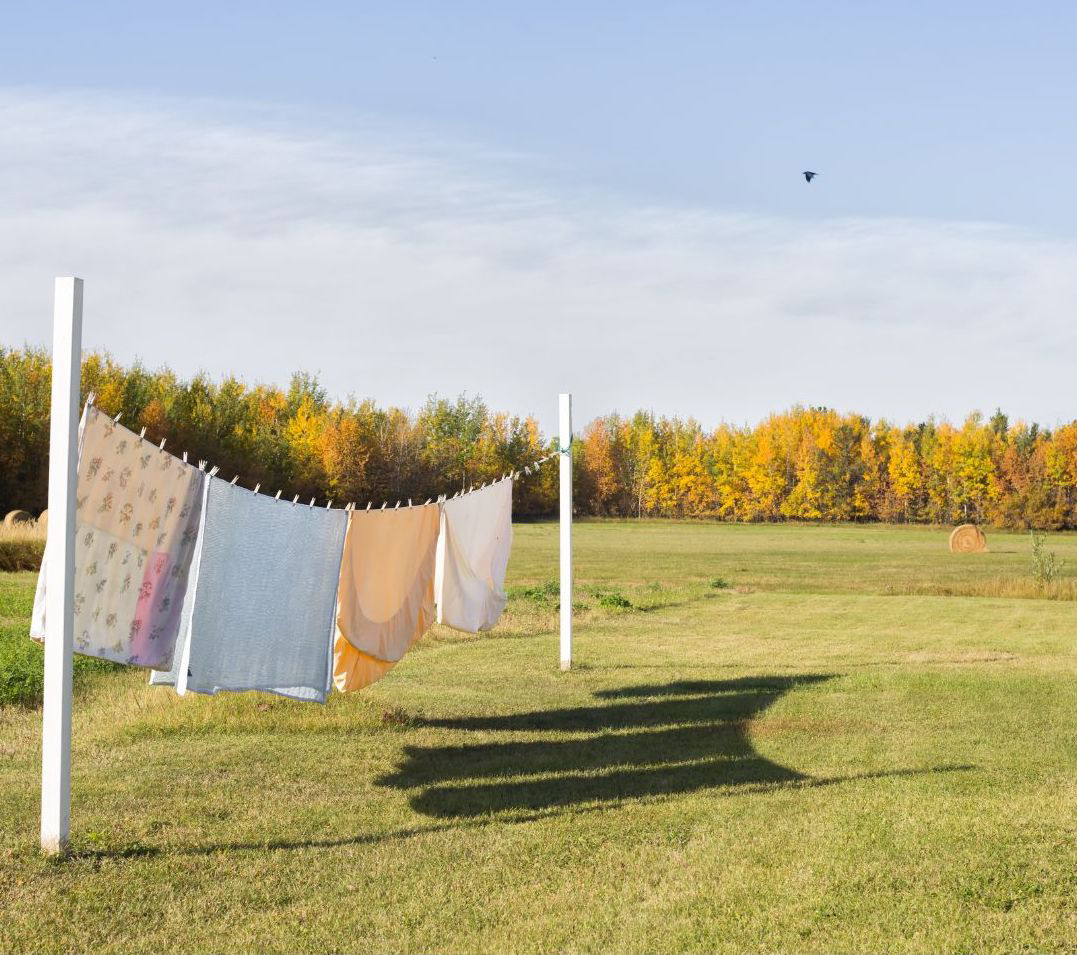
The blue room
FictionMum did not tell us that Sabina had tried to kill herself. She said that she was unwell, and because she was unmarried and her children lived interstate Sabina would stay with us while she convalesced. We figured it out after she arrived; she did not appear sick, but lively and plump. Nor was there any regularity to her medical appointments. Though Phoebe was irritated that she would have to share her bathroom we found the situation morbidly glamorous, the sick woman with the elegant name whose stay would end with recovery or its opposite. So many sibilant words: suicide, convalescence, Sabina. Having no knowledge of death or any conviction we would ever die, suicide seemed tinged with romance. That Sabina lived confirmed our belief that death was not serious.
More from this edition
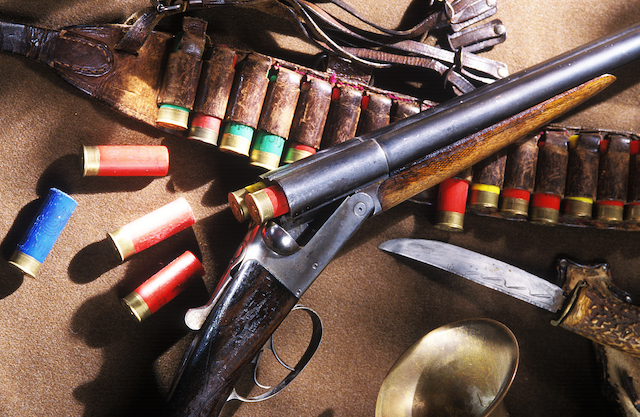
Adventures in the apocalyptic style
Non-fictionIt's easy to laugh at preppers, dismissing their ideas in the process. It’s also easy to adopt the prepper worldview wholesale, and make fun of everyone else – all those sheeple – for not seeing what a mess we’re really in. It’s harder, but ultimately more productive, to see prepping as a complex, contradictory response to the multiple crises the world is facing. Prepping is more than just a freakshow, although it is that. And prepping is more than a useful instructional manual, although it is that, too. Neither wholly reasonable nor wholly ridiculous, prepping culture is a vivid and alarming reflection of a contemporary Anglophone culture that exists in a state of perma-crisis and can find only simple answers to wicked problems.
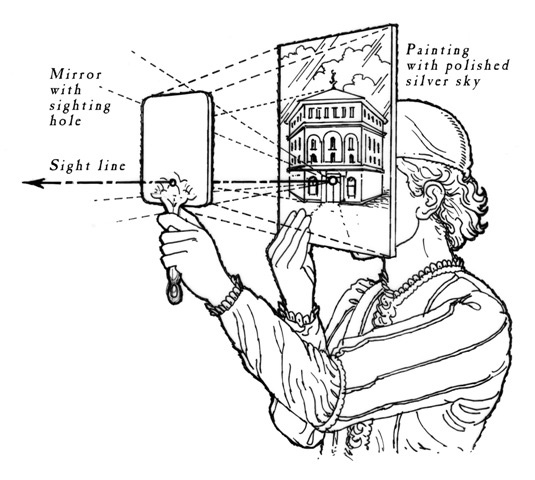
Believe it or not
IntroductionCultural critic Chuck Klosterman reminds us that ‘any present-tense version of the world is unstable. What we currently consider to be true – both objectively and subjectively – is habitually provisional.’
Feeling our way to utopia
Non-fiction JANE AUSTEN WAS just twenty-one years old when she wrote her first novel, Sense and Sensibility. Today, we understand her works as more than...
