
Featured in
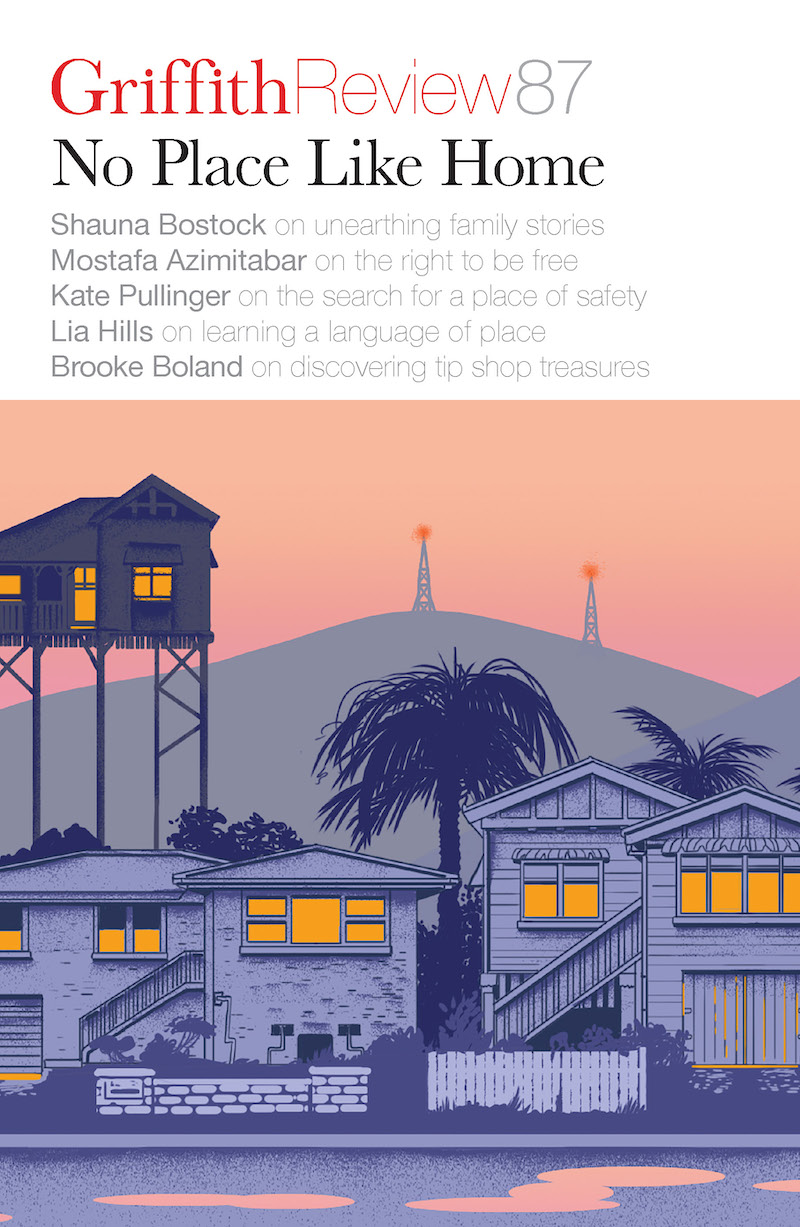
- Published 20250204
- ISBN: 978-1-923213-04-3
- Extent: 196 pp
- Paperback, ebook. PDF

Already a subscriber? Sign in here
If you are an educator or student wishing to access content for study purposes please contact us at griffithreview@griffith.edu.au
Share article
More from author
Oh, the shame of it
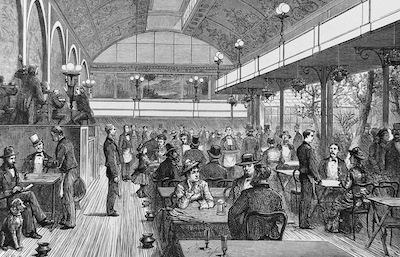
Non-fictionModern leisure emerged in the West in the early 1700s when French and English cities developed new forms of society built around urban amenities – parks, cafés, fairs and shopping districts – servicing an expanding class of people with discretionary time and income. Public museums as storehouses of national culture appeared a little later in the nineteenth century where they contributed to the development of so-called ‘rational recreation’, a species of serious leisure intended to ‘civilise the masses’.
More from this edition
Home as a weapon of cultural destruction
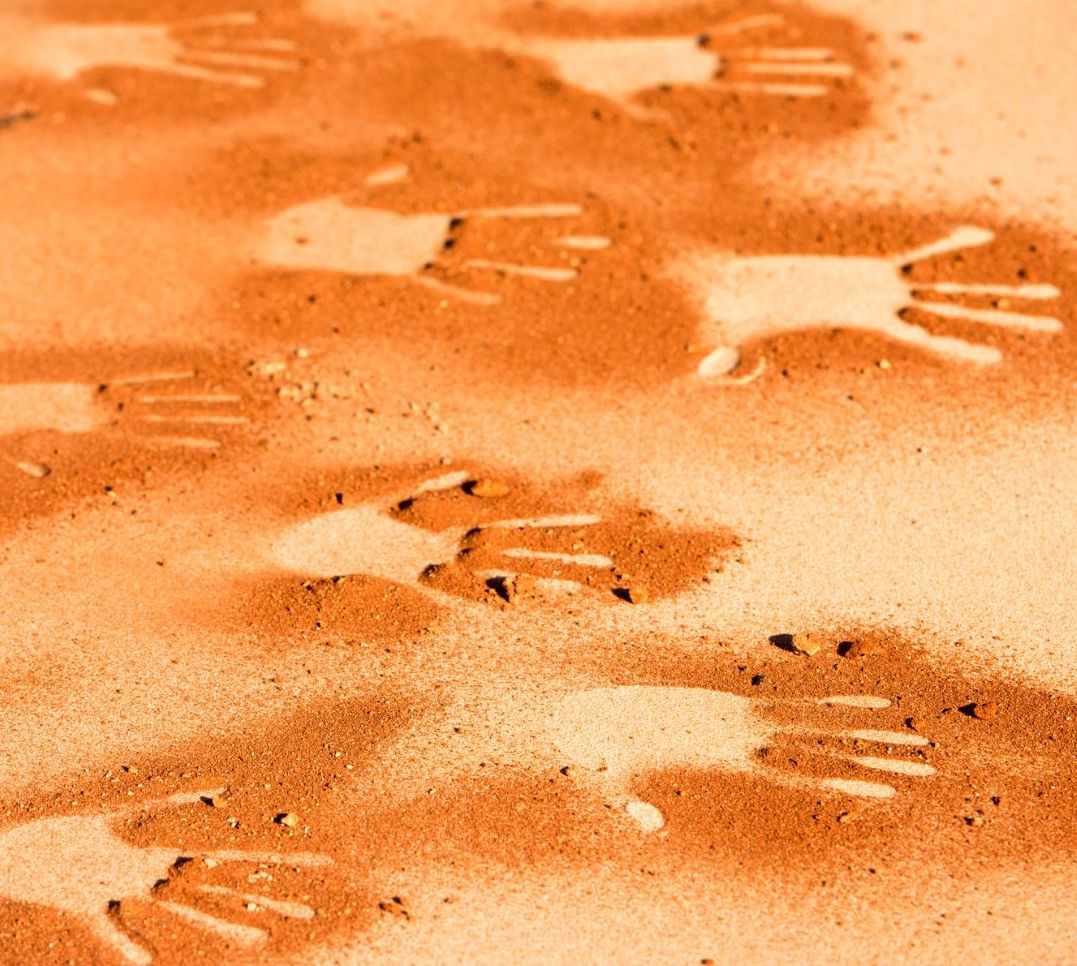
Non-fictionIt was simply expected that Aboriginal people would accept the values and behaviour of the dominant European culture. The Welfare Board insisted that Aboriginal people not only earn an independent living but show the Board they could save money in a bank account. They had to demonstrate that they were avoiding contact with other Aboriginal people and refusing to participate in community-oriented activities, such as sharing resources with kinsfolk and travelling to visit their relatives and home Country. Over and over again, the Board’s reports criticised Aboriginal people for being among their own kind and clinging together in groups. To achieve their assimilation aims, the Welfare Board implemented a crude ‘carrot and stick’ incentive in an attempt to modify Aboriginal behaviour: if Aboriginal people could convince the Welfare Officers that they had cut themselves off entirely from their culture, family and land, they would be rewarded with an ‘Exemption Certificate’.
Songs of the underclasses
Non-fictionDiē was the best driver I knew. ‘When you drive, you stare at everything but see nothing. You’re inexperienced,’ he lectured. ‘When I drive, I stare at nothing – I can chat, I can sing. But I see everything. Parking spaces, jaywalkers with a death wish, doggies and kitties. And for hours at time, without breaking concentration. It’s like meditation.’ Diē’s love language included showing me footage of near-miss traffic incidents on WeChat. Each trip of ours decreased my risk of appearing in his feed. These hours became the most time we had ever spent together.
Follow the road to the yellow house
Non-fictionI first visited Varuna in 1994. I had just left my job as the Aboriginal Curator at the Australian National Maritime Museum, where I was involved in establishing the first gallery dedicated to addressing Aboriginal and Torres Strait Islander maritime history. I remember that visit well – even then I felt at home. I grew up in the Blue Mountains. My parents bought our family home there in the early 1970s. It was built in the 1940s, which means that it has a similar interior to Varuna, with ornate cornices, creamy white bathroom tiles, a green basin and bath, Bakelite door handles and even an old black phone.
