
Follow the road to the yellow house
Seeking creative solace in the mountains
Featured in

- Published 20250204
- ISBN: 978-1-923213-04-3
- Extent: 196 pp
- Paperback, ebook. PDF


Already a subscriber? Sign in here
If you are an educator or student wishing to access content for study purposes please contact us at griffithreview@griffith.edu.au
Share article
About the author
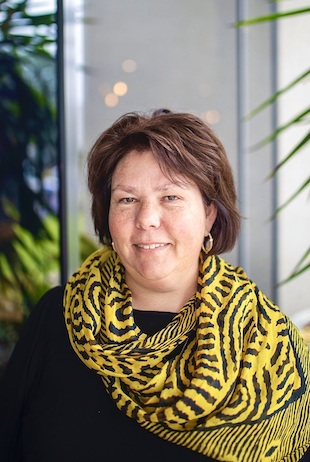
Barrina South
Barrina South is a Barkindji poet and critic whose debut poetry collection, Makarra, was released in 2024. She has been published widely in journals...
More from this edition
Steering upriver
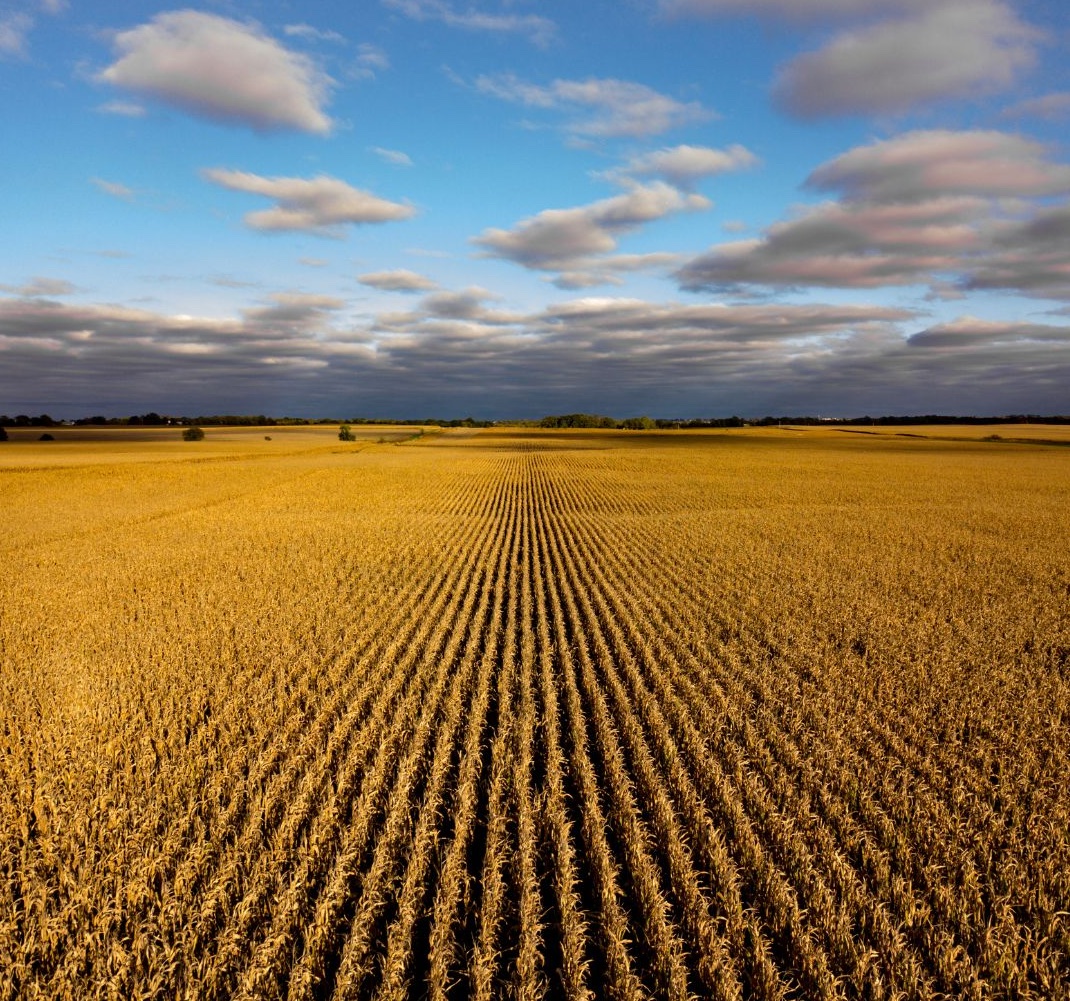
Non-fictionAt dawn I cross the bridge, Missouri to Iowa, and turn down the gravel drive. Though I’m different now, this place is the same as it always is this time of year: the sun glowing red over the paddock next door, the grass not yet green, the maple stark. I go away, come back again, and home is like a photograph where time winds back, slows into stasis; where the carpet has changed, but the dishes have not, the cookbooks have not, the piano and artwork and bath towels have not. Here, I can be a child again, my best self, briefly. I hold on to this moment for as long as I can, because too soon I’ll remember how disobedient I am, how bossy and domineering, how I slammed my door until Dad took it off its hinges, how soap tastes in my mouth, how I pushed on these walls until they subsided.
More than maternity
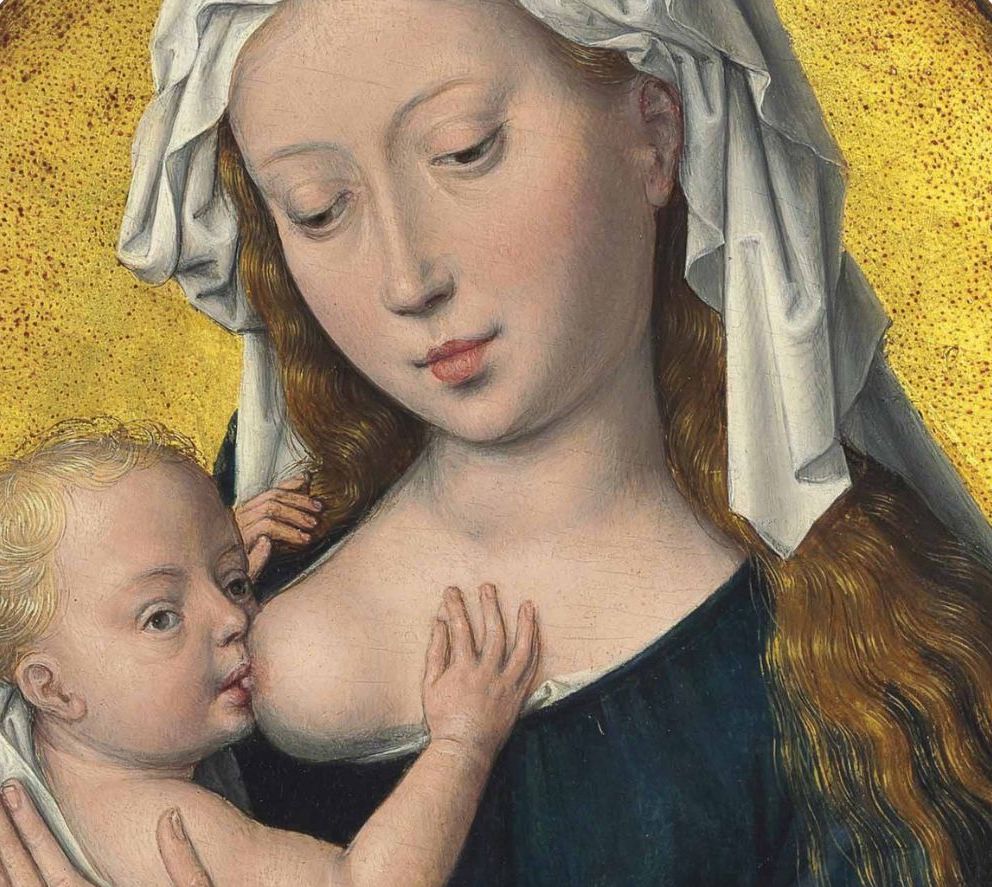
Non-fictionPrinciple among art-history instances of breastfeeding are paintings, sculptures, tapestries and stained-glass art in churches that relay key Biblical moments of the Virgin Mary nursing the baby Jesus. Should you find yourself in the corridors of the Louvre, in the same halls where kings and princes are eternalised, one singular image of breastfeeding will make its way towards you time and time again: that of the Virgin Mary nursing the baby Jesus, which emerged in the twelfth century and proliferated in full bloom from the fourteenth as her cult of worship grew. In art, the nursing Virgin is called the Madonna Lactans, and she is a sanctity. Most of all, as the Church’s model of maternity, she is silent.
Dining in
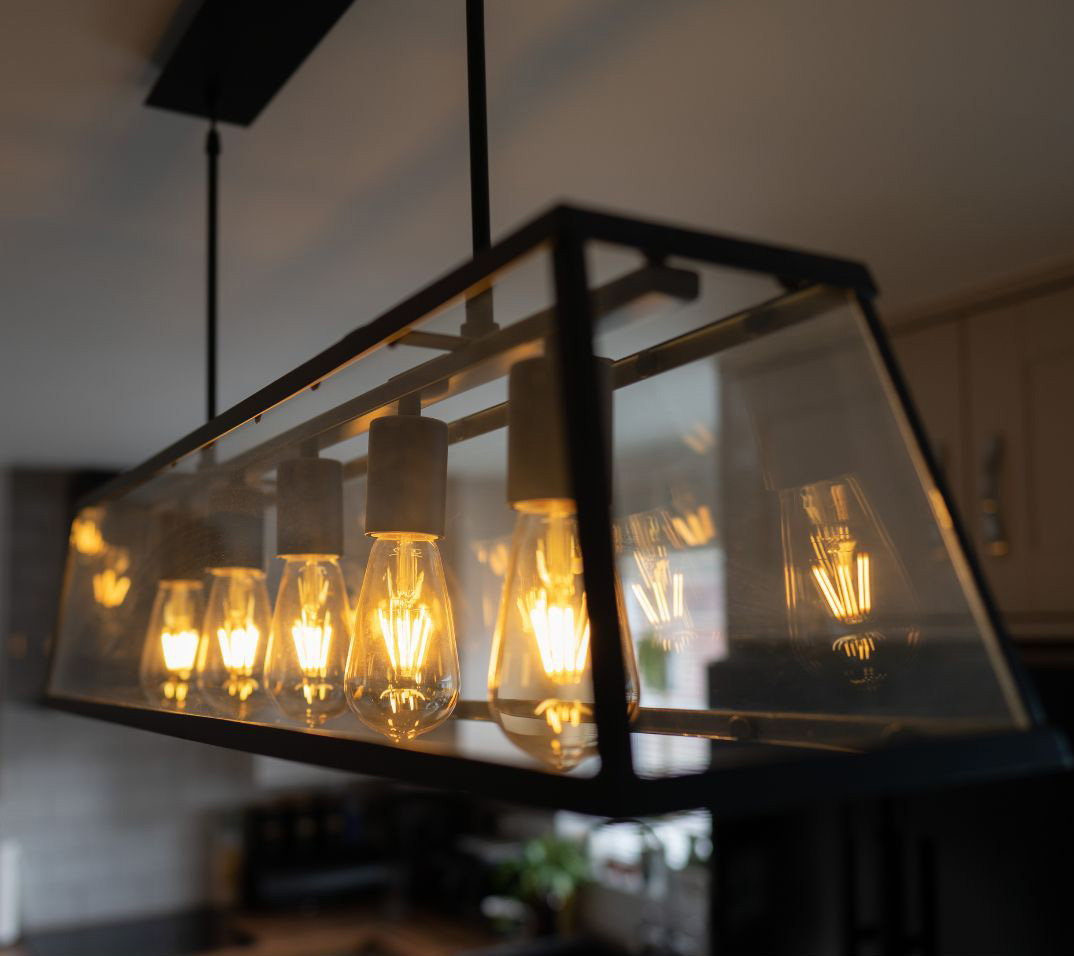
In ConversationThe intimate, private setting naturally creates a close connection between the chef and diners, making it easier for the chef to share the stories, heritage and traditions behind each dish. For diners, the cosy, welcoming atmosphere makes them feel as though they’ve been invited into a friend’s home. From a business perspective, a home-based restaurant comes with fewer overhead costs, such as rent and wages. This allows me, as the business owner, to deliver high-quality food at a more affordable price, as these expenses are not factored into the food cost.
