Steering upriver

Where earth meets water in the American Heartland

Featured in

  • Published 20250204
  • ISBN: 978-1-923213-04-3
  • Extent: 196 pp
  • Paperback, ebook. PDF

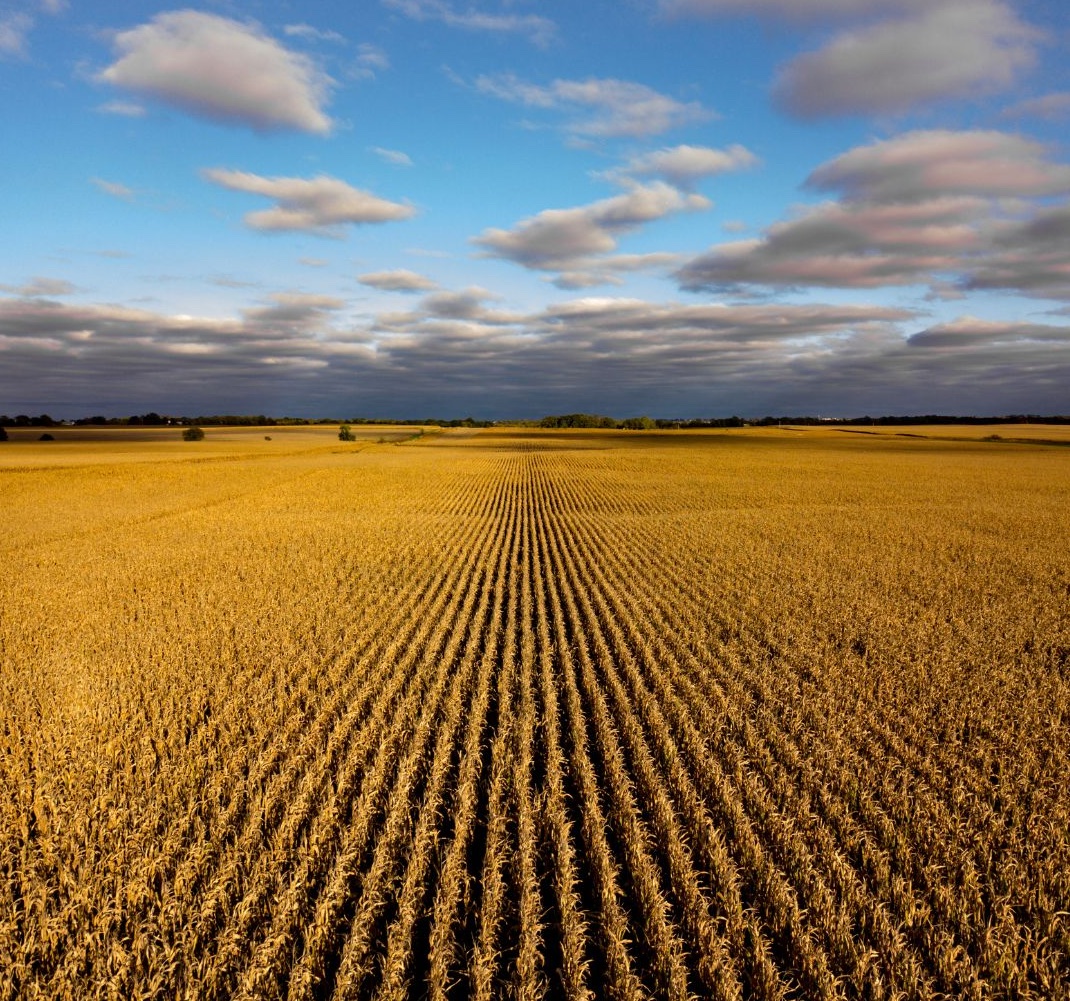
MY PARENTS MET in ’72, married in ’73, and bought a house outside the little Mississippi River town of Fort Madison, Iowa. Two acres of land along a dirt road that became a two-lane highway when I was a toddler, our property within an imperceptible curve that drunk drivers seemed to blow off like dust, into our gully or the neighbour’s front yard. Fort Madison was an old settlement: an outpost, a fort, a farming town and, progressively, an industry town built on paint and shampoo and pesticides, canned meats, fancy pens and the state maximum-security prison.

Growing up, I was certain of snow in the winter; mosquitoes in the summer; tomatoes from the garden and too many zucchinis, fried up with breadcrumbs; church on Sunday; turkey at Thanksgiving; leaves red and gold and brown and falling, piling up against Dad’s rake. I was certain I was too big for this town. I’d leave this place, and hardly look back.

Already a subscriber? Sign in here

If you are an educator or student wishing to access content for study purposes please contact us at griffithreview@griffith.edu.au

Share article

More from author

Dog people

Non-fictionWe’re social animals, humans – from the wiring of our brains to the shape of our societies. If recent pandemic lockdowns taught us one thing, it’s that we need to be physically close to each other, to socialise not just as avatars or gigabits but as live, warm, fallible bodies. Our dogs knew this ages ago.

More from this edition

The blue room

FictionMum did not tell us that Sabina had tried to kill herself. She said that she was unwell, and because she was unmarried and her children lived interstate Sabina would stay with us while she convalesced. We figured it out after she arrived; she did not appear sick, but lively and plump. Nor was there any regularity to her medical appointments. Though Phoebe was irritated that she would have to share her bathroom we found the situation morbidly glamorous, the sick woman with the elegant name whose stay would end with recovery or its opposite. So many sibilant words: suicide, convalescence, Sabina. Having no knowledge of death or any conviction we would ever die, suicide seemed tinged with romance. That Sabina lived confirmed our belief that death was not serious.

Songs of the underclasses

Non-fictionDiē was the best driver I knew. ‘When you drive, you stare at everything but see nothing. You’re inexperienced,’ he lectured. ‘When I drive, I stare at nothing – I can chat, I can sing. But I see everything. Parking spaces, jaywalkers with a death wish, doggies and kitties. And for hours at time, without breaking concentration. It’s like meditation.’ Diē’s love language included showing me footage of near-miss traffic incidents on WeChat. Each trip of ours decreased my risk of appearing in his feed. These hours became the most time we had ever spent together.

Home is a long way away

Non-fictionThe Australian housing market is a wealth-generating machine, not a home-generating machine. So much is wrong with the current situation. No doubt you see it too; everybody seems to on some level. That’s why we keep hearing about the ‘Australian housing crisis’. I can see it, and I proudly consider myself an old-school capitalist, with a preference for free enterprise, fair competition, private property rights and the chance to make an occasional profit. We now find ourselves with a de facto caste system in Australia: the home owners relative to the home renters. Both groups need homes, but there is a marked wealth division between those collecting passive income on houses they own and those living solely on direct income who are forever chasing a rising market.

Stay up to date with the latest, news, articles and special offers from Griffith Review.