
More than maternity
Representations of breastfeeding in Western art
Featured in
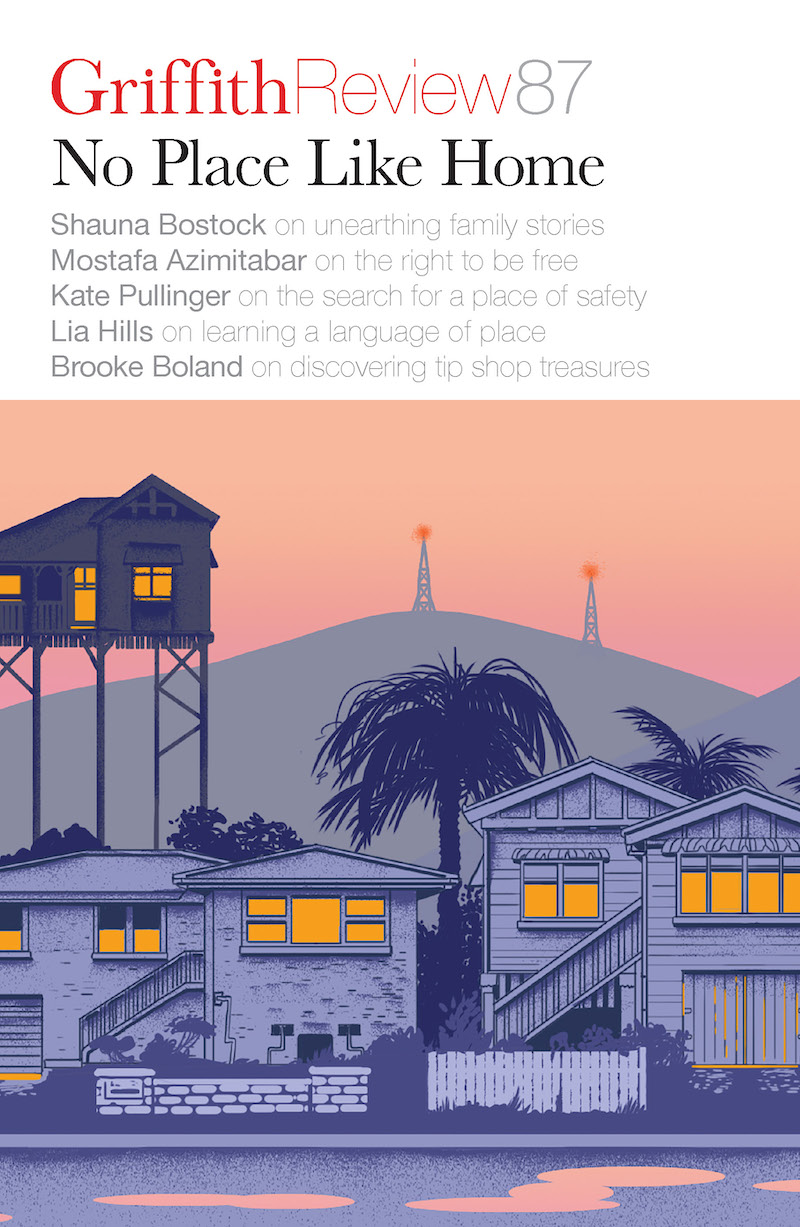
- Published 20250204
- ISBN: 978-1-923213-04-3
- Extent: 196 pp
- Paperback, ebook. PDF

Already a subscriber? Sign in here
If you are an educator or student wishing to access content for study purposes please contact us at griffithreview@griffith.edu.au
Share article
About the author

Lauren Carroll Harris
Lauren Carroll Harris is a non-fiction writer whose work has been published in New Statesman, The Brooklyn Rail, Literary Hub, Los Angeles Review of...
More from this edition

Home as a weapon of cultural destruction
Non-fictionIt was simply expected that Aboriginal people would accept the values and behaviour of the dominant European culture. The Welfare Board insisted that Aboriginal people not only earn an independent living but show the Board they could save money in a bank account. They had to demonstrate that they were avoiding contact with other Aboriginal people and refusing to participate in community-oriented activities, such as sharing resources with kinsfolk and travelling to visit their relatives and home Country. Over and over again, the Board’s reports criticised Aboriginal people for being among their own kind and clinging together in groups. To achieve their assimilation aims, the Welfare Board implemented a crude ‘carrot and stick’ incentive in an attempt to modify Aboriginal behaviour: if Aboriginal people could convince the Welfare Officers that they had cut themselves off entirely from their culture, family and land, they would be rewarded with an ‘Exemption Certificate’.

The pool
Fiction I CATCH THE school bus home most days, kids kangarooing from seat to seat. Hard for a little bloke like me to get a...
Dining in
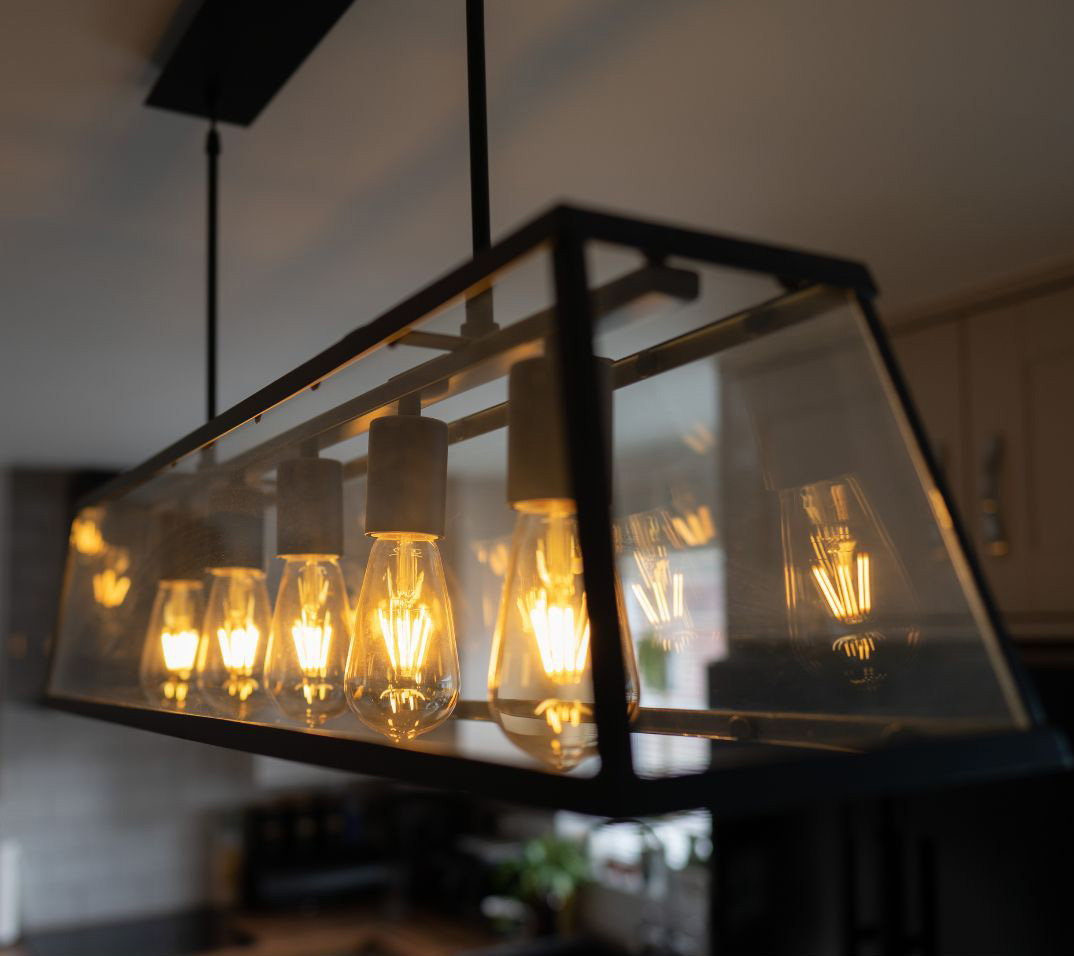
In ConversationThe intimate, private setting naturally creates a close connection between the chef and diners, making it easier for the chef to share the stories, heritage and traditions behind each dish. For diners, the cosy, welcoming atmosphere makes them feel as though they’ve been invited into a friend’s home. From a business perspective, a home-based restaurant comes with fewer overhead costs, such as rent and wages. This allows me, as the business owner, to deliver high-quality food at a more affordable price, as these expenses are not factored into the food cost.
