
Featured in
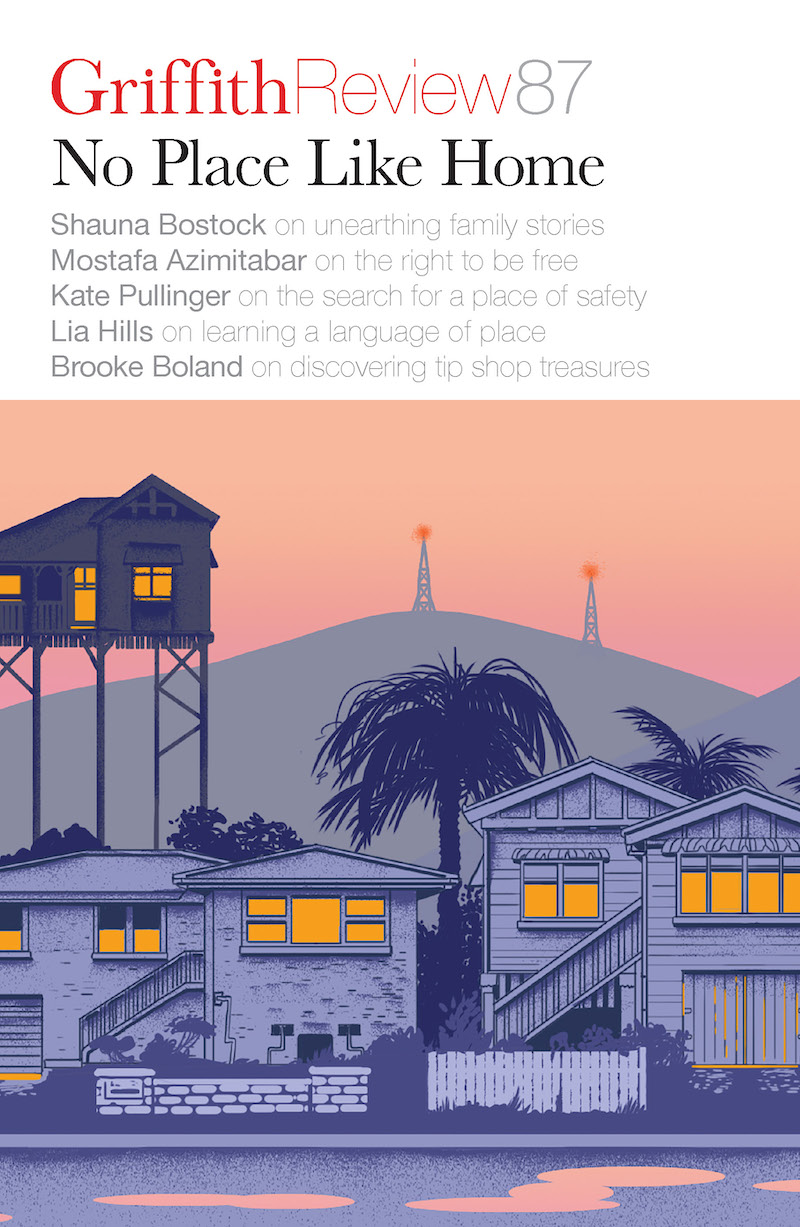
- Published 20250204
- ISBN: 978-1-923213-04-3
- Extent: 196 pp
- Paperback, ebook. PDF


Already a subscriber? Sign in here
If you are an educator or student wishing to access content for study purposes please contact us at griffithreview@griffith.edu.au
Share article
More from author

Dying of exposure
Non-fictionPublishing is a weird industry, a retail supply service where every day hundreds – thousands – of brand-new, untested products are launched, each one a little bit different to the last. The long-haul career trajectory of most writers is increasingly difficult to maintain with incomes nosediving, as evidenced by multiple surveys. The road is cluttered with novelists brought down by ‘bad track’, their new books rejected because of the poor sales of previous titles. But as readers we still need help to discover good books, to figure out what to read next. As book pages, magazines and newspapers shrink or disappear altogether, it’s no longer clear what impact book reviewers can have on a career. The endorsement of someone whose work – critical or otherwise – you admire remains important to many writers.
More from this edition
The blue room
FictionMum did not tell us that Sabina had tried to kill herself. She said that she was unwell, and because she was unmarried and her children lived interstate Sabina would stay with us while she convalesced. We figured it out after she arrived; she did not appear sick, but lively and plump. Nor was there any regularity to her medical appointments. Though Phoebe was irritated that she would have to share her bathroom we found the situation morbidly glamorous, the sick woman with the elegant name whose stay would end with recovery or its opposite. So many sibilant words: suicide, convalescence, Sabina. Having no knowledge of death or any conviction we would ever die, suicide seemed tinged with romance. That Sabina lived confirmed our belief that death was not serious.

Shelf life
Non-fictionEarly in his career, Charles Dickens notably underestimated the reputational risk of library-shelf browsing when he invited the critic George Henry Lewes home for tea. Over steaming cups, Lewes eyed naff triple-decker novels and bland travel books, ‘all obviously the presentation copies from authors and publishers’. He recalled the experience in a waspish elegy published shortly after Dickens’ death: ‘A man’s library expresses much of his hidden life, I did not expect to find a bookworm, nor even a student, in the marvellous “Boz” but nevertheless this collection of books was a shock.’

Mesopotamia
FictionTheir camp is on a floodplain, dirt baked dry for now, among a stand of black box trees. Close to the bank, river red gums tower and would provide better shade, but Kim had been worried about falling branches. From a rise near their tent, they can monitor the vast, slow drift of the watercourse, progress marked by its bobbing contents. Wordlessly, this is how they spend most of their time.
