
Featured in
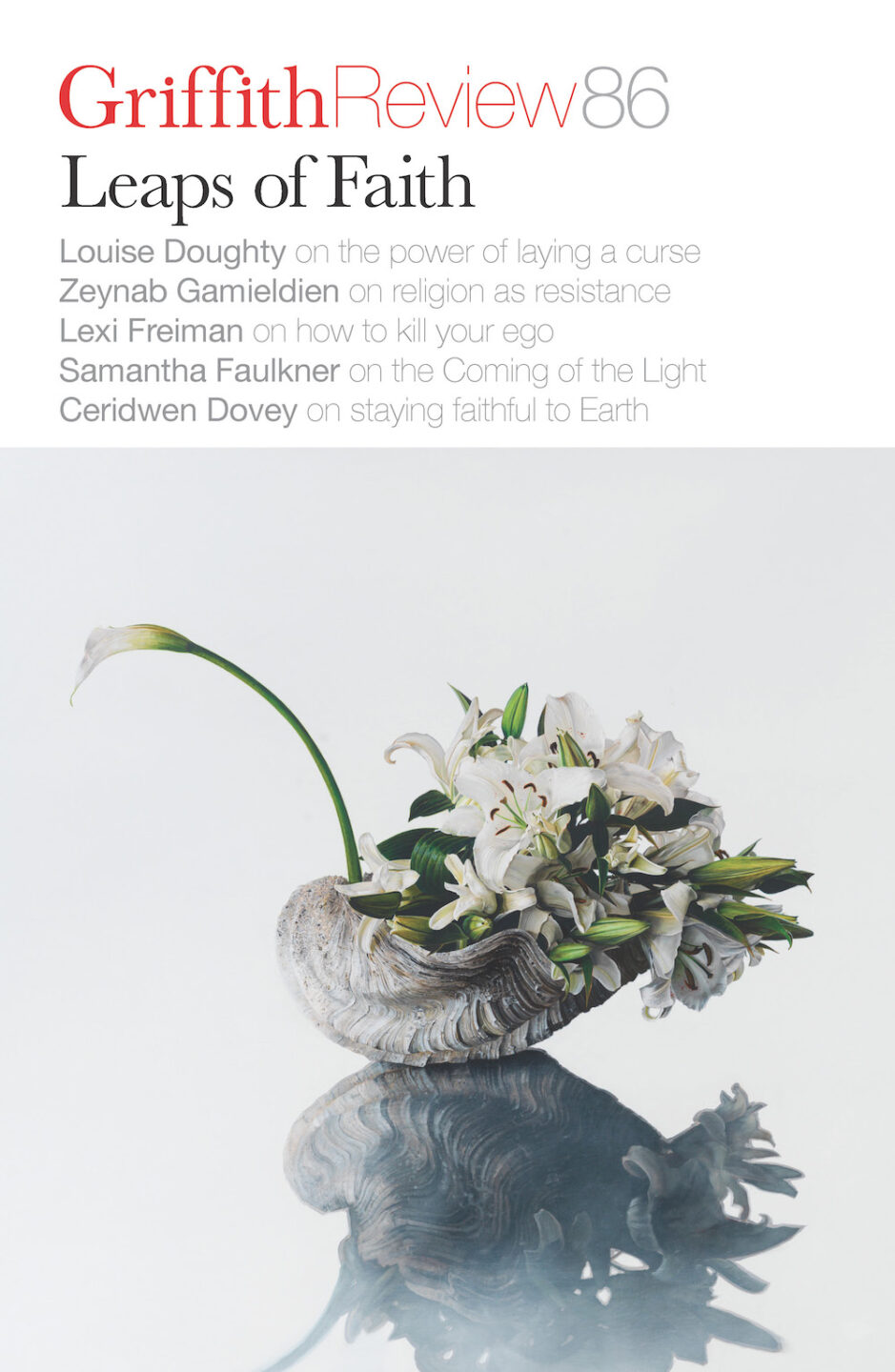
- Published 20241105
- ISBN: 978-1-923213-01-2
- Extent: 196 pp
- Paperback, ebook, PDF

Already a subscriber? Sign in here
If you are an educator or student wishing to access content for study purposes please contact us at griffithreview@griffith.edu.au
Share article
More from author
Survey
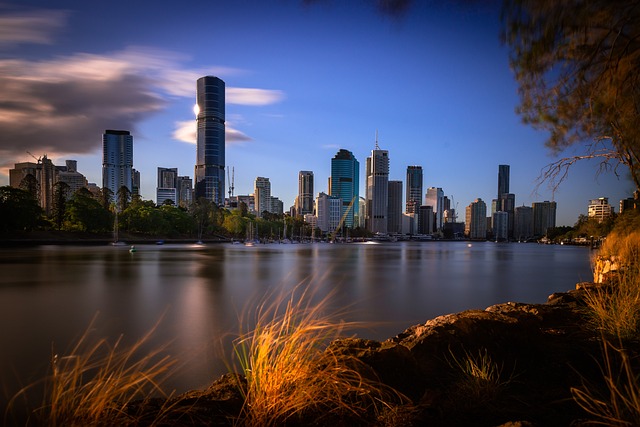
FictionBut I have long lost my personal thread to this place, I realise, and thinking of this loss I almost feel mournful for a former life I see now as though in the third person, a life belonging to an altogether different man. Perhaps it is for the best that those old threads are cut, for it means I am free of them.
More from this edition
Religion as resistance
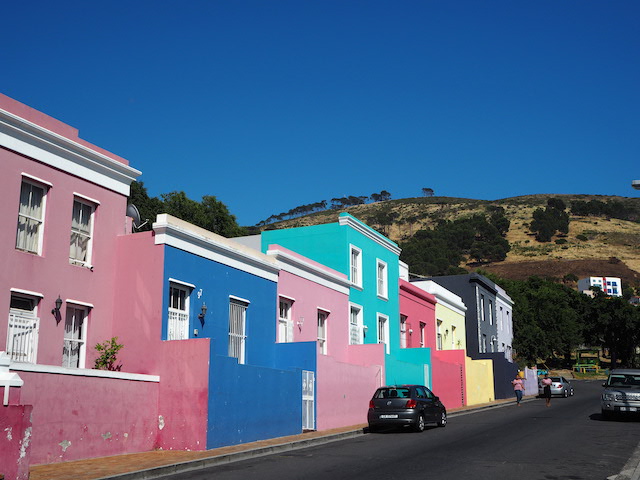
Non-fictionIn their youth, my parents participated in the anti-apartheid movement, attending meetings and outlawed protests. From birth their lives had been prescribed by the apartheid regime, from the suburbs they could live in to the beaches they could swim at to the benches they could sit on; there was little it saw fit to leave unregulated. Both of their families had been forcibly relocated from District Six when it had been reclassified as a whites-only area. They attended Coloured schools, where they were taught by both white and Coloured teachers. At one of these schools, my teenaged mother challenged a teacher for making a racist comment and subsequently chose to leave the school when they backed the teacher instead. My father’s father was a Shaykh, his uncle an eminent Islamic scholar known across both the Cape and wider South Africa. In their youth, my parents participated in the anti-apartheid movement, attending meetings and outlawed protests. From birth their lives had been prescribed by the apartheid regime, from the suburbs they could live in to the beaches they could swim at to the benches they could sit on; there was little it saw fit to leave unregulated. Both of their families had been forcibly relocated from District Six when it had been reclassified as a whites-only area. They attended Coloured schools, where they were taught by both white and Coloured teachers.
Feeling our way to utopia
Non-fiction JANE AUSTEN WAS just twenty-one years old when she wrote her first novel, Sense and Sensibility. Today, we understand her works as more than...
Gay saints
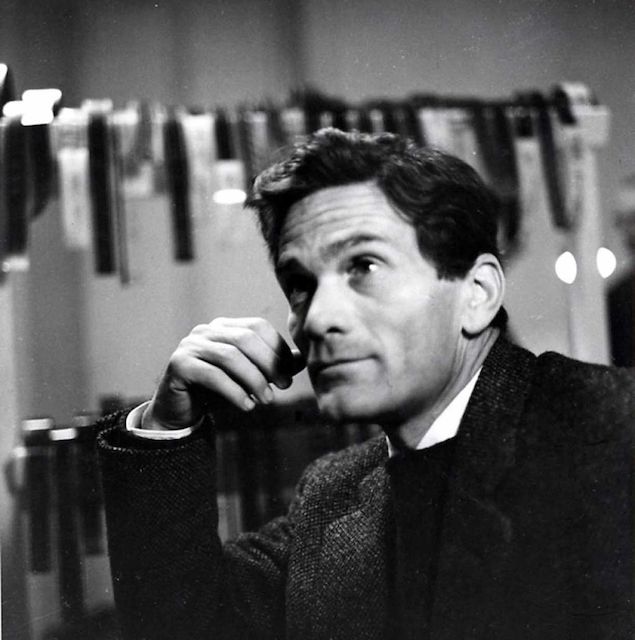
Non-fictionWhat is it that makes cinema, for Pasolini, sacrosanct? The answer lies in his affinity for a painter who made only one fresco. Not only was Caravaggio’s reputation restored by Pasolini’s teacher and mentor, Roberto Longhi, but Caravaggio and Pasolini have the same taste in men. Swarthy, young and savage – as likely to sit for a portrait or engage in a bit of sloppy top as to stick a knife in your ribs. You wouldn’t want to run into his John the Baptist in a dark alley (unless maybe you would). It is not just the revolutionary psychology of Caravaggio’s painting that speaks to Pasolini but his selection of subjects – his sacralisation of the scorned, the unclean, the seething subproletariat both created and rejected by an indifferent urban landscape; Caravaggio’s ‘new kinds of people’.
