
Featured in
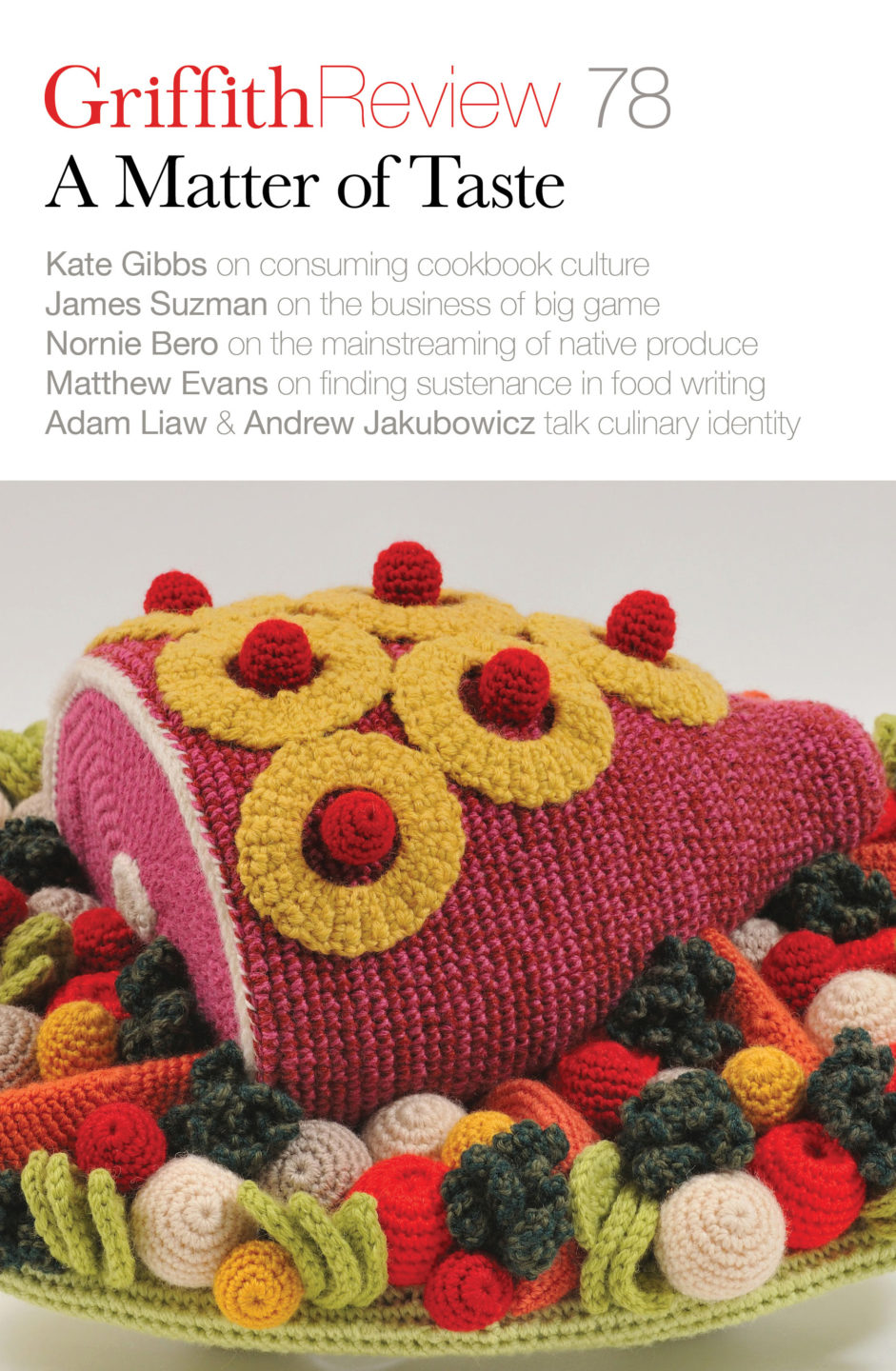
- Published 20221101
- ISBN: 978-1-922212-74-0
- Extent: 264pp
- Paperback (234 x 153mm), eBook

Already a subscriber? Sign in here
If you are an educator or student wishing to access content for study purposes please contact us at griffithreview@griffith.edu.au
Share article
More from author
The whole truth
Non-fictionActing methods...have remarkable similarities to spiritual cults. They have leaders, dogmas, even seminal texts. They have supervised rites and orthodox practices. They have stages of enlightenment, and trained leaders who will inform you whether you’ve reached such heights (and you usually haven’t, unless you’re sleeping with the leader in question).
More from this edition

Having and not having the cake
MemoirEveryone involved in Bake Off is always lovely; and that everyone involved is always lovely to each other I know my girlfriend credits with having helped her through the hardest months of her life, so I guess I owe it that as well.
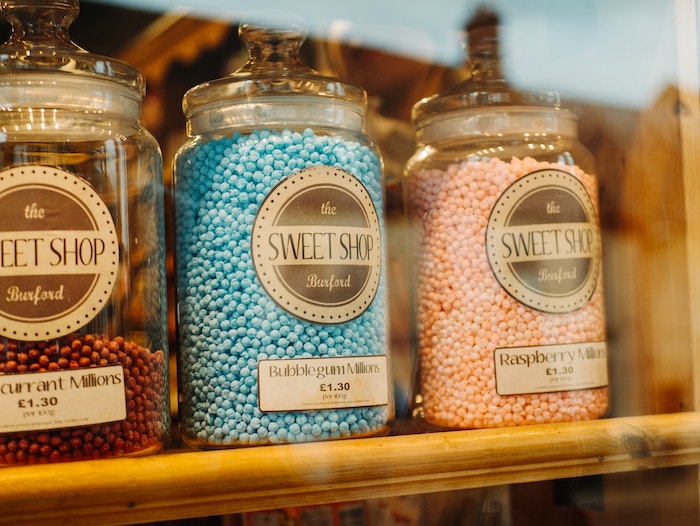
Confected outrage
EssayMany of us can name our favourite childhood lollies. But what if a lolly’s name, or the name of another popular food item, is out of date? What if it’s racist, harmful or wrong? What happens when the name of a lolly doesn’t work anymore?
Changing palates
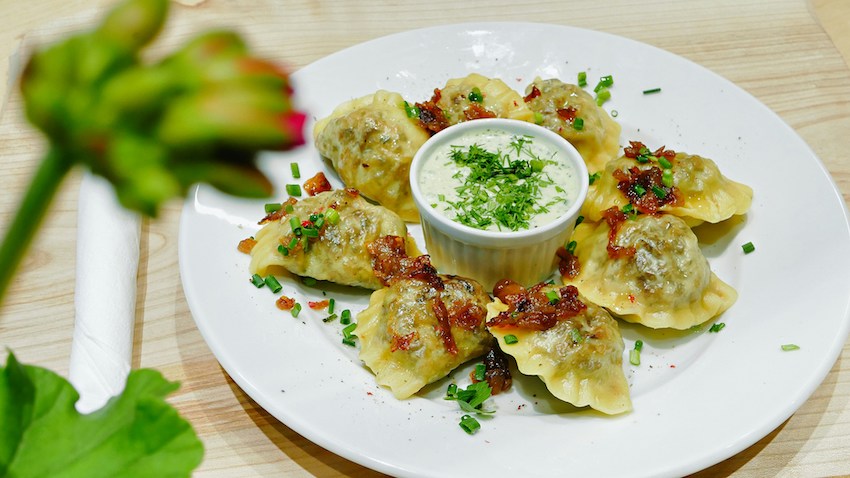
In ConversationWe were accidental arrivals, I think is the best way to put it. My parents were refugees from Poland. They were Jewish citizens of Poland and they basically flipped a coin and made a run for it.
