Changing palates

Multiculturalism on the menu

Featured in

  • Published 20221101
  • ISBN: 978-1-922212-74-0
  • Extent: 264pp
  • Paperback (234 x 153mm), eBook

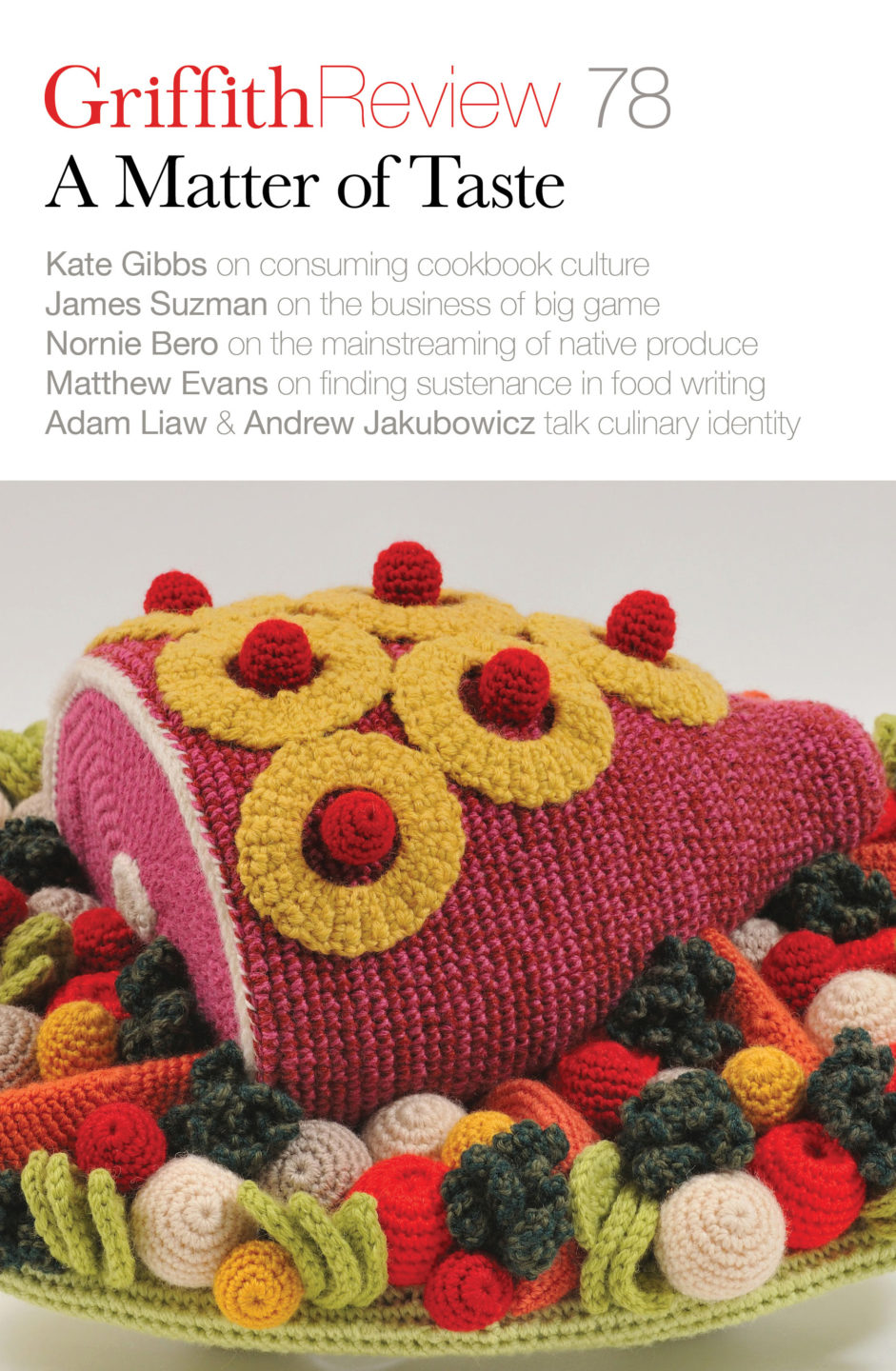
In the fiftieth anniversary year of the Whitlam government’s election victory, the legacies of its groundbreaking multicultural policies are still being felt – in courtrooms and boardrooms, in classrooms and living rooms. This final instalment in our series of intergenerational exchanges – a collaboration between Griffith Review and the Whitlam Institute – brings together cook, writer and television presenter Adam Liaw and Emeritus Professor of Sociology Andrew Jakubowicz to explore the many ways Whitlam helped us reimagine Australia.

ADAM LIAW: My parents were both medical doctors, so we were able to get access to Australia for the purpose of skilled migration relatively easily. The reason they wanted to come was to look for greater opportunities, primarily for me and my brother – my sister wasn’t around at that point. So we came to Australia [in 1981] primarily for that purpose…from Malaysia, a relatively poor country, and neither of my parents had ever worked. My father had just finished his national service in the military. My mother, straight after university, had had two children. We didn’t have a huge amount of money, so we lived in rural South Australia for a little while and my dad worked in the public service. They sort of spent all their money trying to put my brother and me into the best school that they could possibly afford for us.

Already a subscriber? Sign in here

If you are an educator or student wishing to access content for study purposes please contact us at griffithreview@griffith.edu.au

Share article

About the author
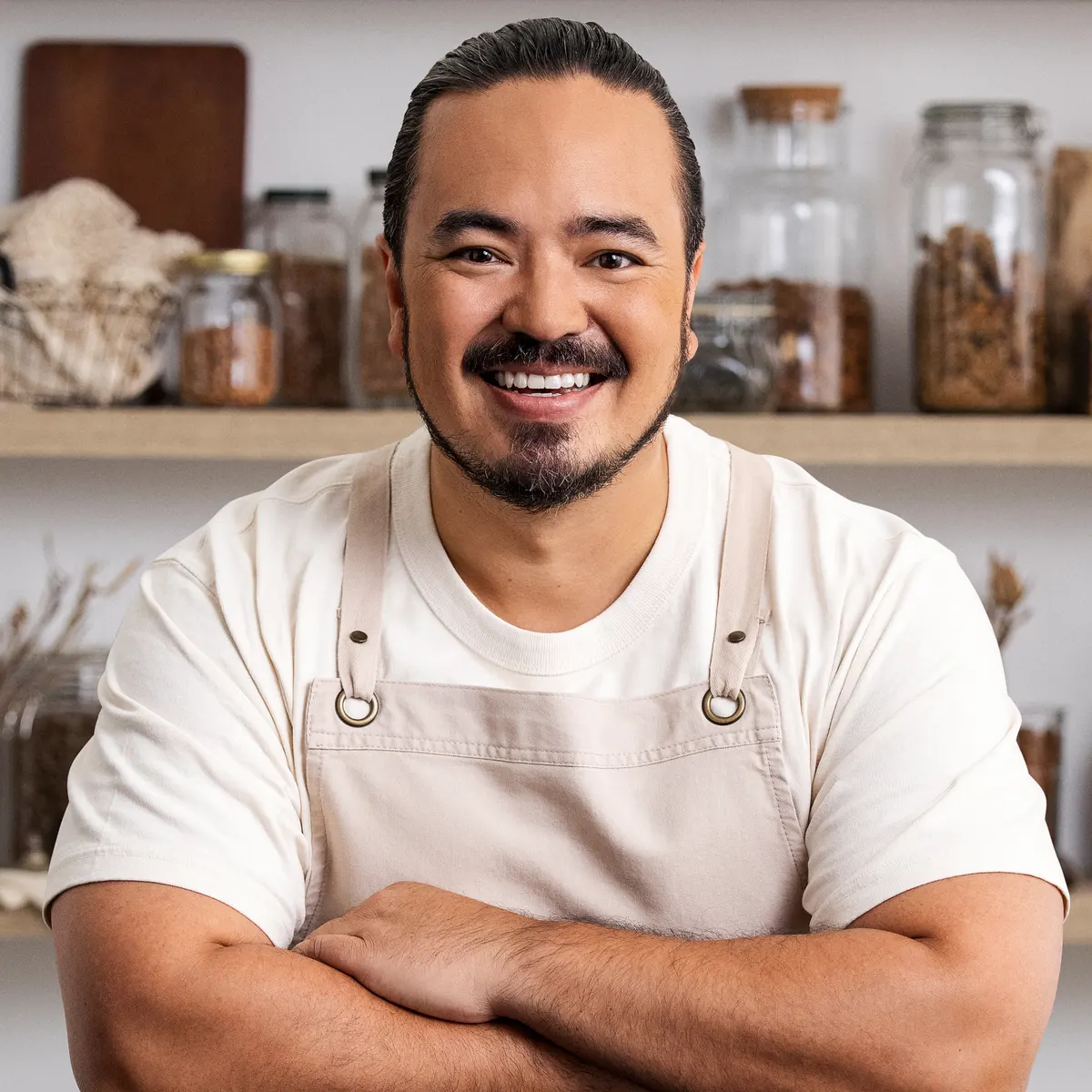
Adam Liaw

Adam Liaw is a cook, writer and television presenter. He writes regularly for The Sydney Morning Herald and The Age, goodfood and The Guardian. His...

More from this edition
Recipe for success

EssayFans used to approach my grandmother, Margaret, at events or book signings, professing their adoration and proudly presenting their 1969 yellow-bound original of The Margaret Fulton Cookbook. They’d tell stories about the book’s place in their hearts – it had been given to them when they moved out of home, or when they’d married, or it had been passed through two generations. Margaret would smile sweetly and flick through the pages as though looking for something. Then, often, she would close the book firmly and look mock-crossly up at them (I say ‘up’ because she was usually seated, but was also only just over five-foot-tall). ‘You’ve never cooked from this book. Where are the splatters, the markings of the kitchen, the stuck-together pages?’

Old stars

FictionI found Archie by the shallow end wearing a short terry-towelling robe open to the waist. Time and tide had left him shipwrecked and bloated, but you could still recognise him from the pictures on his album covers: same dark pouf and ducktail and duotone tan, only now he got his colour from a bottle and his hair from a can. He’d been drinking gin and tonic since happy hour started, brought out by an over-attentive waitress. 

Heat and hope and attention

MemoirRules that were once rooted in religion have settled into our insides as secular, self-imposed rules about ‘good’ food and ‘bad’ food and, by extension, ‘good’ bodies and ‘bad’ bodies.

Stay up to date with the latest, news, articles and special offers from Griffith Review.