The whole truth

The complications of ‘going Method’

Featured in

  • Published 20240507
  • ISBN: 978-1-922212-95-5
  • Extent: 203pp
  • Paperback, ePub, PDF, Kindle compatible
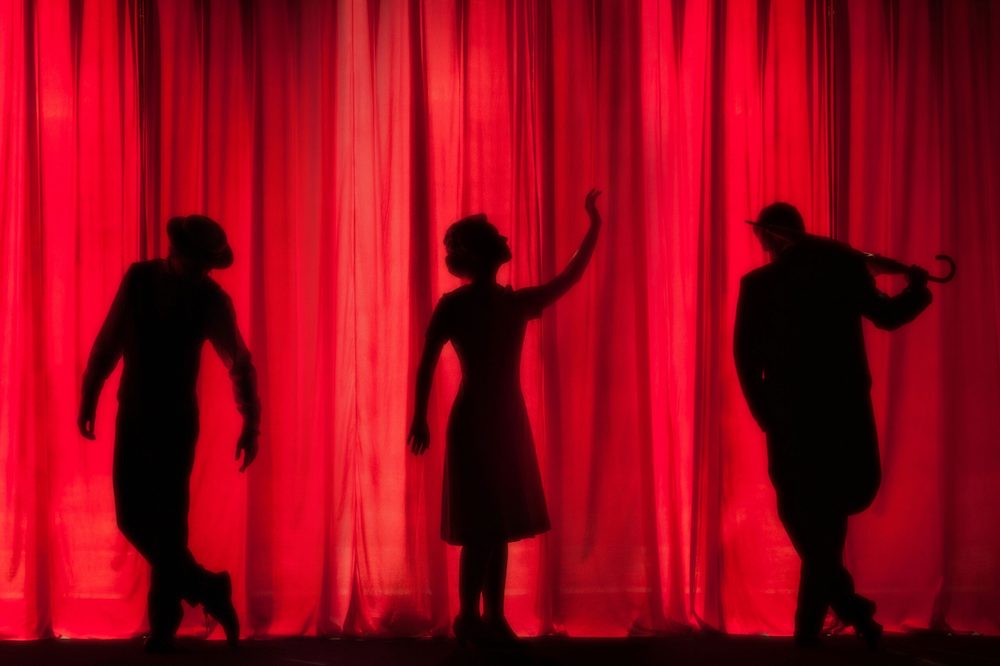
THE FIRST TIME I tried to cry on cue, in a workshop intended for aspiring young actors, it did not work. It was 2006; I was eighteen years old and performing a rather ambitiousmonologue from Andrew Bovell’s After Dinner,in which forty-something Monika describes finding her husband dead in the living room. Naturally, dead husbands require real tears, and I assumed unashamed effort was the key to achieving them. I listened to sad music before I performed. I laboured every word. I chased – begged – the emotion like a hysterical teenage girl running after an ex-­lover at midnight. JUST COME HERE. PLEASE. By the end of the monologue, I was so frustrated I couldn’t make myself cry that I began to cry. When I finished, the teacher said, ‘I think that play is supposed to be a comedy.’

Soon after, I auditioned for a conservatory-­style acting school in my home town – mosquito-­infested Meanjin, Queensland – and somehow got accepted. In first year, we lay on linoleum in dilapidated university classrooms and sweated out subtropical fever dreams of Shakespeare, Chekhov and Linklater. I was trained primarily in the Eric Morris technique, a derivative of Lee Strasberg’s version of Method acting.

Already a subscriber? Sign in here

If you are an educator or student wishing to access content for study purposes please contact us at griffithreview@griffith.edu.au

Share article

More from author
Dried milk

Memoir THE RUIN OF the new mother is the raspberry. I give Yasmin, her eight-month-old, the bursting prize of the red berry. I know what I am doing....

More from this edition

Bringing up Baby

Non-fictionMy husband, the softer touch with Baby, couldn’t get the leash on him so I took over. I had a handful of food to placate Baby, and he seemed to relax as I held it slightly away from his snout and went to attach the leash with my other hand. But when Baby realised what was happening, he went stiff, then bit my hands eight times like he wanted to kill me.

Land of my fathers

Non-fictionOn Saturday mornings his friends would call in to pick him up for the game. Like him, they were broad and tall and humorous, and never still. None of them ever seemed comfortable indoors. Their faces were fevered from sitting in winter stadiums. Even as septuagenarians they continued to refer to themselves as ‘the boys’, and if my mother materialised before them, they’d blush like children.

Getting attached

IntroductionMore than fifty years after Larkin lamented the emotional inadequacy of generations past, we’ve equipped ourselves with an extensive vocabulary with which to characterise, analyse and diagnose our relationships with ourselves, with others, and with the places, objects and ideas that shape our sense of who we are and who we wish to become. Yet still we face the same old set of conundrums: from parasocial connections and fractious family politics to the solace we seek in non-human entities, our myriad attachments continue to offer us comfort and complication in equal measure.

Stay up to date with the latest, news, articles and special offers from Griffith Review.