
Featured in
- Published 20250204
- ISBN: 978-1-923213-04-3
- Extent: 196 pp
- Paperback, ebook. PDF


Already a subscriber? Sign in here
If you are an educator or student wishing to access content for study purposes please contact us at griffithreview@griffith.edu.au
Share article
About the author

George Haddad
George Haddad is a writer, artist and academic. His two books, Populate and Perish and Losing Face, have both won awards, including The Sydney Morning Herald Best Young...
More from this edition
Interstitial
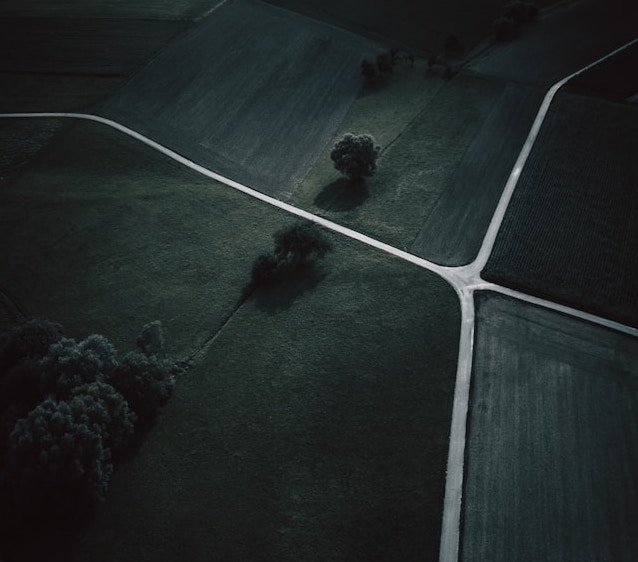
Non-fictionAmerican sociologists John and Ruth Hill Useem first coined the term ‘third culture kid’ in the 1950s to describe the experience of Americans who were raised abroad in a culture different to their birth culture. This term reflects the way children raised overseas straddle three cultures: the culture of their birth, the culture within which they are raised, and a third, nebulous culture – the culture they create through the way they learn to relate to each other. The third culture is interstitial, not an amalgam. ‘Third culture kid’ (TCK) is a term often used as shorthand. Many TCKs will have experienced more than one cultural shift too. Those with diplomatic, military or missionary families are often raised in multiple countries, and others, like me, will continue their travels overseas as adults too, exercising the global and economic mobility they know well.

hearth
Q & A yes, one day, finally, it will all fall away like all dead things we will sit again by the campfire story illuminating the fall of empire one day again we...
Home is a long way away
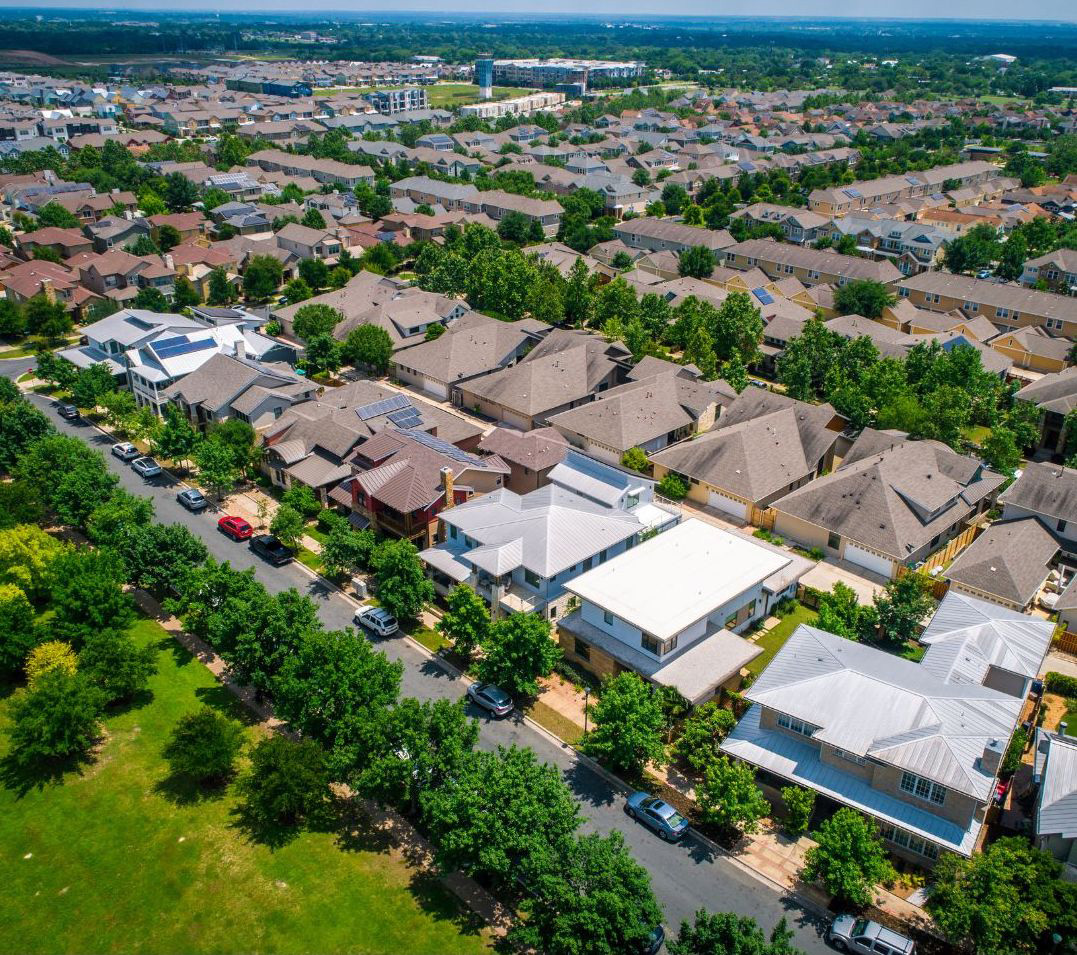
Non-fictionThe Australian housing market is a wealth-generating machine, not a home-generating machine. So much is wrong with the current situation. No doubt you see it too; everybody seems to on some level. That’s why we keep hearing about the ‘Australian housing crisis’. I can see it, and I proudly consider myself an old-school capitalist, with a preference for free enterprise, fair competition, private property rights and the chance to make an occasional profit. We now find ourselves with a de facto caste system in Australia: the home owners relative to the home renters. Both groups need homes, but there is a marked wealth division between those collecting passive income on houses they own and those living solely on direct income who are forever chasing a rising market.
