
Featured in
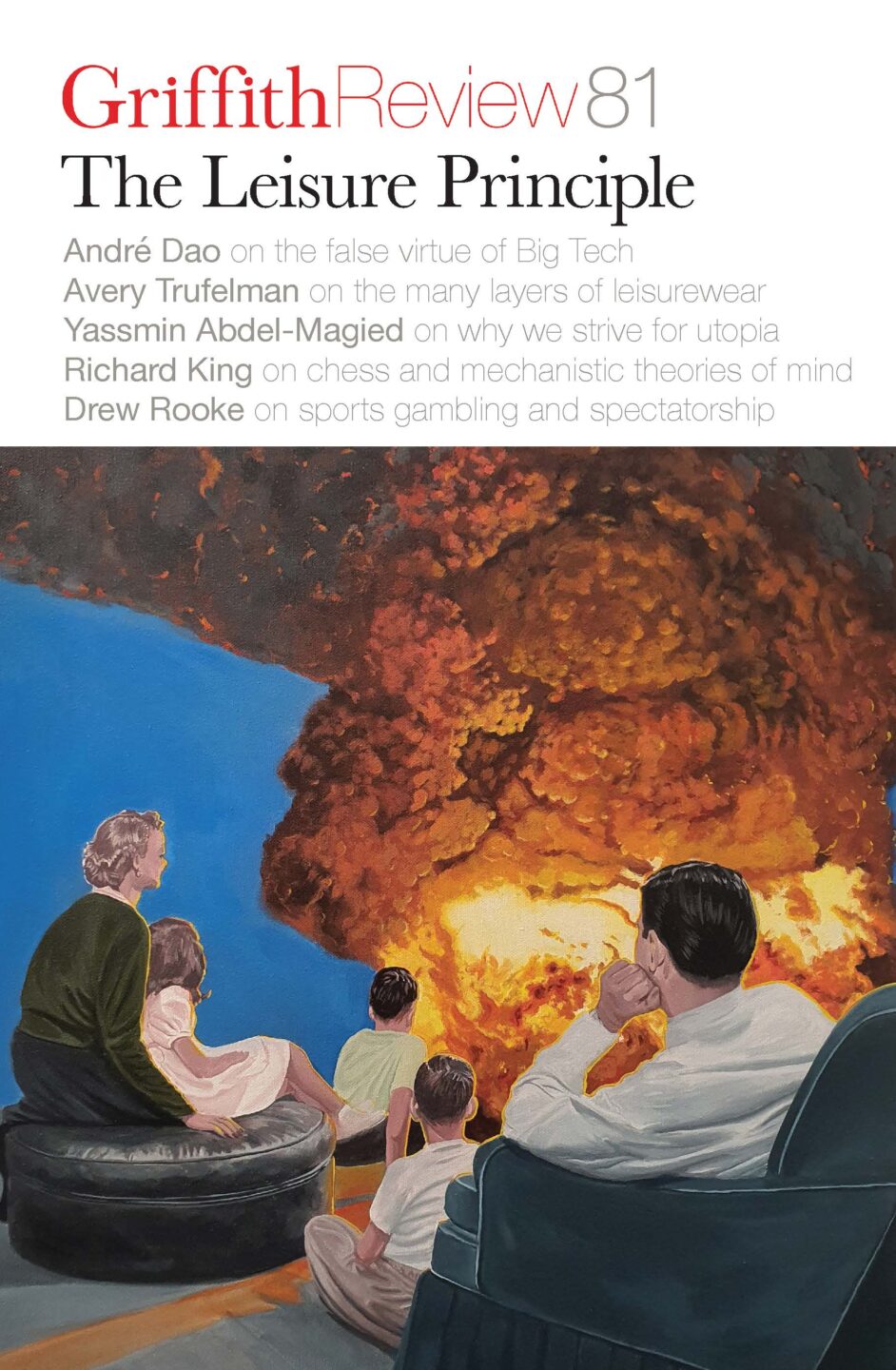
- Published 20230801
- ISBN: 978-1-922212-86-3
- Extent: 200pp
- Paperback (234 x 153mm), eBook

Already a subscriber? Sign in here
If you are an educator or student wishing to access content for study purposes please contact us at griffithreview@griffith.edu.au
Share article
More from author

Shelf life
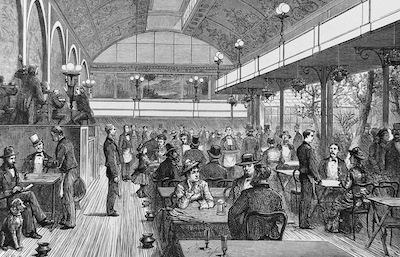
Shelves provide functional storage. But as we learnt from the setting of all those Covid lockdown interviews – the expert in front of their books, photographs and tchotchkes – shelves express personality, achievement and erudition. As those same interviews demonstrated, sometimes our best curatorial efforts might miss something too revealing about what we really read and truly value. For the Victorians, who were obsessed with privacy and established many of the norms around middle-class dwelling that continue to influence aspects of contemporary domesticity, shelves posed a particular problem precisely because you could never be sure who was looking at them and what kind of conclusions they might reasonably draw.
The great British architect of middle-class respectability, Robert Kerr, designed homes where privacy was the paramount and exalted objective, achieved through a complex network of ever more enclosable spaces designed to protect property and personal information from the apparently insatiable curiosity of servants.
More from this edition

History in Sid Meier’s Civilization VI
Poetry Because they spawn near each otherdiscover one another’s dog-scoutsSparta and Gandhi are contemporariesthe Eurotas river and the Gangesmuddying into the Indian Ocean, barbariantriremes appearing...

An idle moment
IntroductionIn 2008, Finnish performance artist Pilvi Takala embarked on an audacious project called The Trainee. For one month, she worked as a marketing intern at the global accounting firm Deloitte. Instead of carrying out the usual responsibilities expected of this role, Takala did…nothing.

‘A world we must defend’
Non-fictionSchools across Australia banned Pokémon in an attempt to regain control, but this only caused the franchise mania to intensify. Now Pokémon wasn’t just fun – it was also illegal, which meant it was dangerous, which meant trading cards on campus made you a risk-taker, which meant you were seen as fearless, which meant that you were dangerous.
