
Featured in
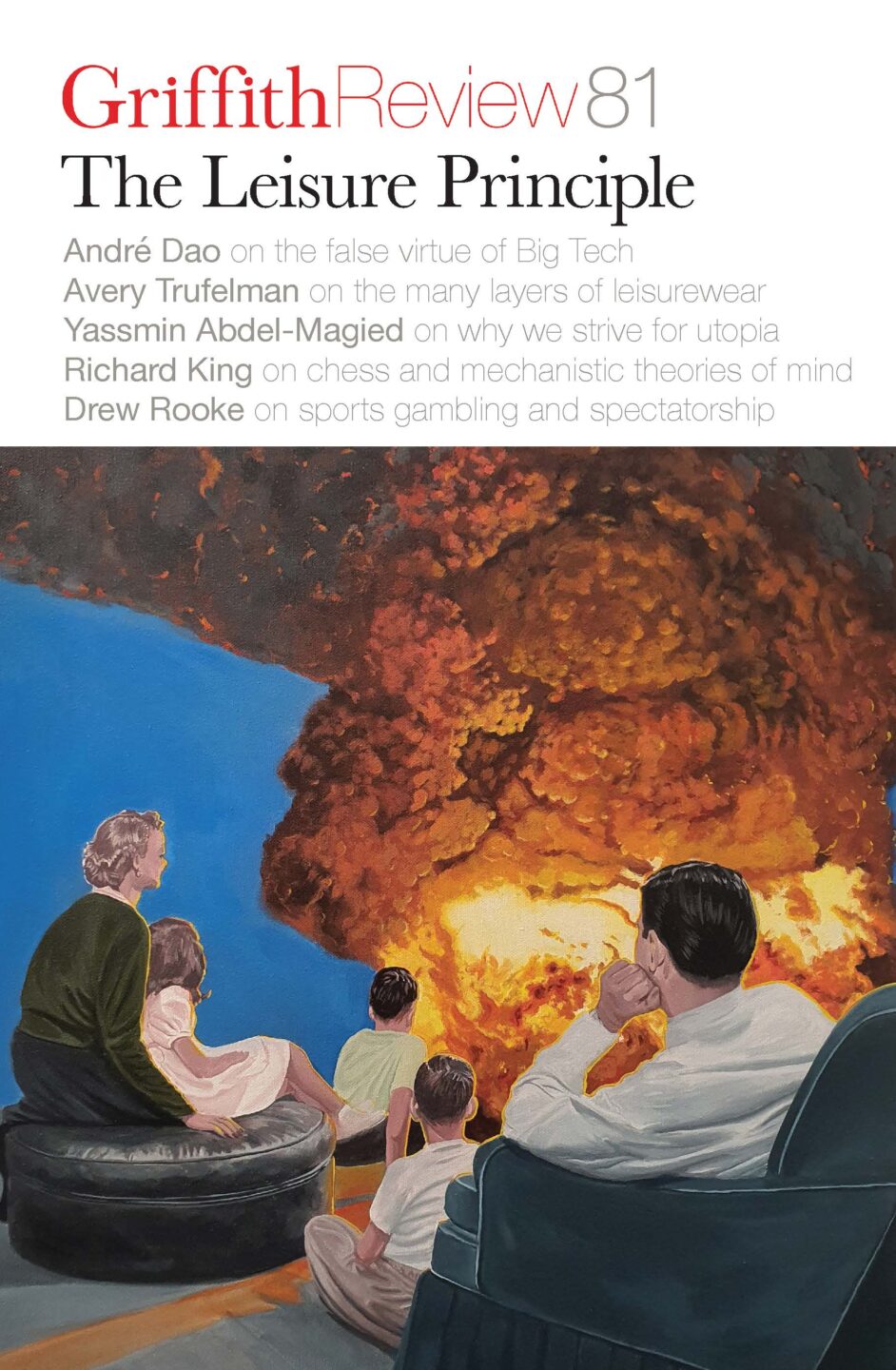
- Published 20230801
- ISBN: 978-1-922212-86-3
- Extent: 200pp
- Paperback (234 x 153mm), eBook

Already a subscriber? Sign in here
If you are an educator or student wishing to access content for study purposes please contact us at griffithreview@griffith.edu.au
Share article
About the author
Josie/Jocelyn Suzanne
Josie/Jocelyn Suzanne is a genderqueer trans femme living on unceded Wurundjeri land in Naarm (Melbourne). Their work has appeared in Cordite, Southerly, Rabbit Journal and Overland, among others....
More from this edition
All work and some play
In ConversationI’m often hearing about odd jobs that musicians or performers had and how it’s tied to their identity. You read about Beat writers like Jack Kerouac and Neal Cassady, who really identified with blue-collar people and railroad workers. After Kerouac got infamous, or famous, he went off to be by himself in a cabin in the forest as a fire lookout. So he went into a very solitary existence, and I like that kind of thing...
The geography of respect
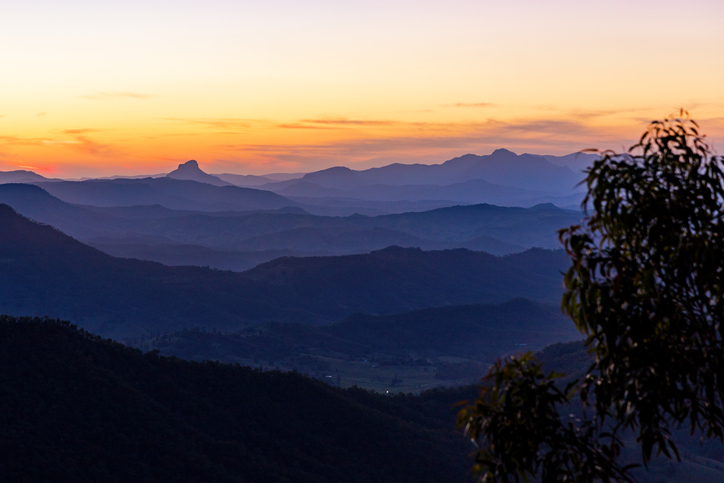
Non-fictionStarting in 2019, Parks Victoria closed or restricted access for climbers to much of Gariwerd-Grampians while it assessed cultural heritage and worked with Traditional Owners and conservation experts to develop the Greater Gariwerd Landscape Management Plan (GGLMP). These closures drew strong reactions from many climbers. They saw Parks Victoria’s actions as impinging on their rights, and its apparent focus on climbing as a risk to cultural heritage and environmental integrity as overblown.
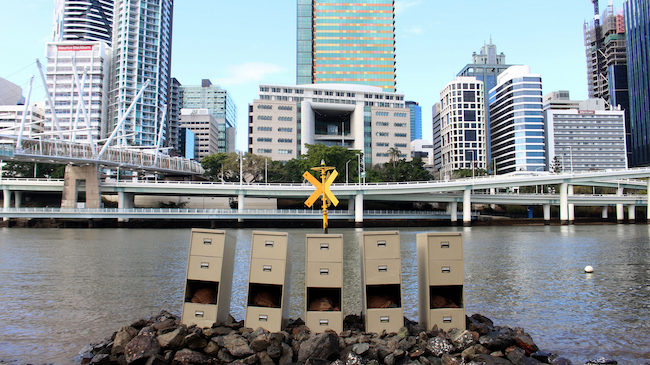
Stories from the city
In ConversationPublic art in particular is a great way for Aboriginal and Torres Strait Islander people to tell different histories and narratives that are site specific. There are lots of hidden histories that we know as community but that lots of other people don’t, and so we use these public spaces as opportunities to install different types of artwork to allow people to engage with these histories and stories during their everyday commute...
