
Featured in
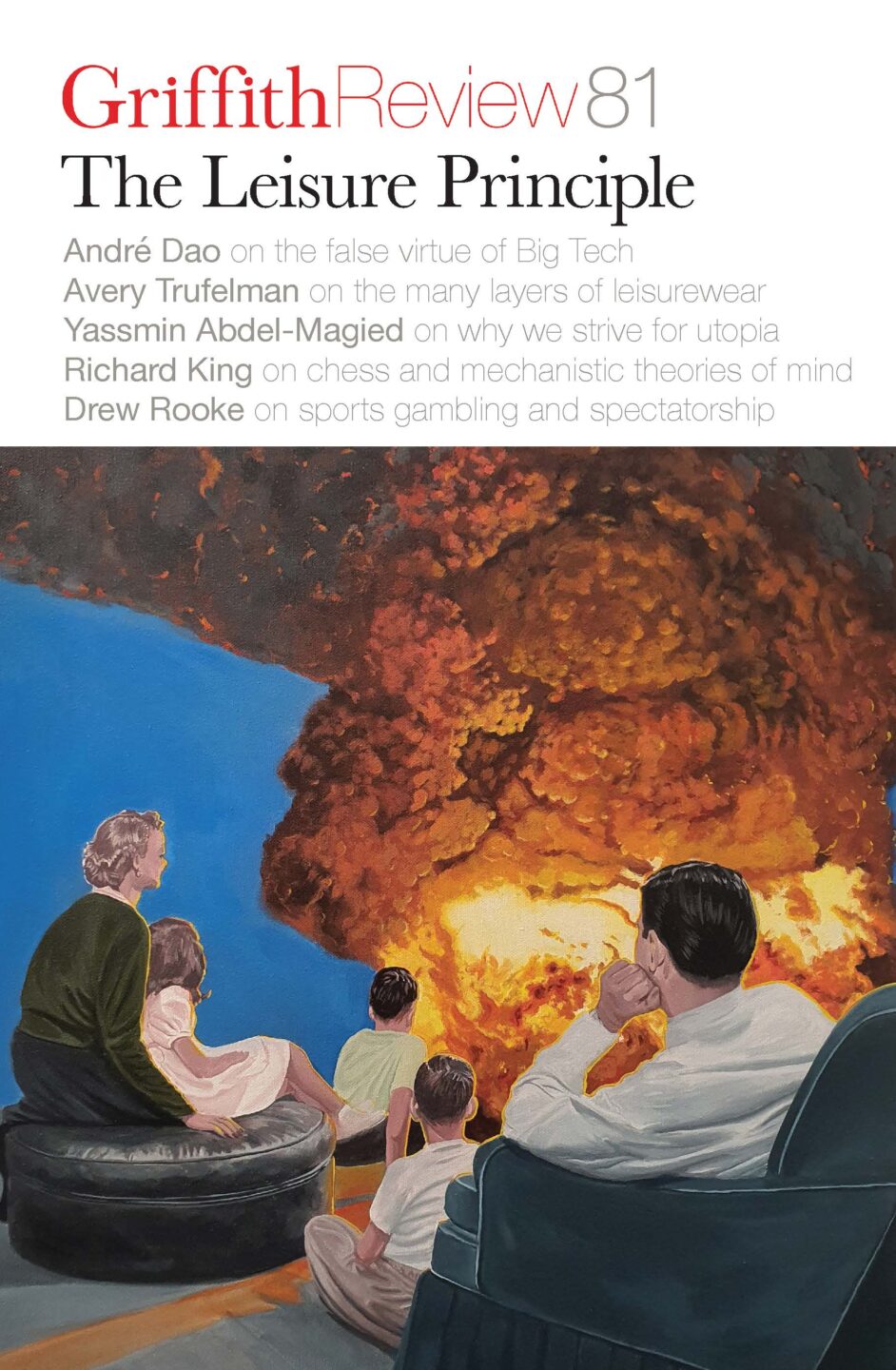
- Published 20230801
- ISBN: 978-1-922212-86-3
- Extent: 200pp
- Paperback (234 x 153mm), eBook
Already a subscriber? Sign in here
If you are an educator or student wishing to access content for study purposes please contact us at griffithreview@griffith.edu.au
Share article
More from author

To the moon
Memoir I’D LIKE TO believe that I wasn’t jumping on the bandwagon. But don’t we all tell ourselves little white lies to keep our self-worth...
More from this edition
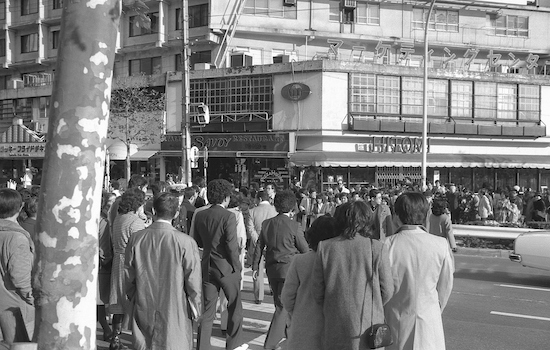
The rise and decline of the shopping mall
FictionPerhaps it is instructive to consider how archaeologists of the future may conceive malls. How might they seem, these empty labyrinths – like rituals that had to be endured in order to receive goods and services? As great monoliths, colosseums constructed for our entertainment? As places of worship? Or perhaps malls will seem more like pyramids do to us: mysteries to be unravelled when the tracks of global trade and communication have faded...
Women’s work
Non-fictionIn the 1990s, increasing fiscal and social rationalisation shifted responsibility for leisure from the state to the individual and from the public to the private sphere. Leisure studies, with its emphasis on providing research and data to inform leisure quality, accessibility and access, was rationalised to enhance the ‘bottom line’ of universities that were now attuned to the pragmatic desires of industry sectors.
Etc.
FictionTogether we were drawn mechanically across the road, boredom/fate reeling us in. The lawn sprawled over the grey-brick kerb. The house was painted green. Sellotaped to the windows were rows of pressed aster. The feeling of something too large to explain was heavy in the air. The door squeaked, swinging open, the main door ajar behind it, and through the gap we glimpsed a white hallway, a pile of discarded shoes on one side.
