
Featured in
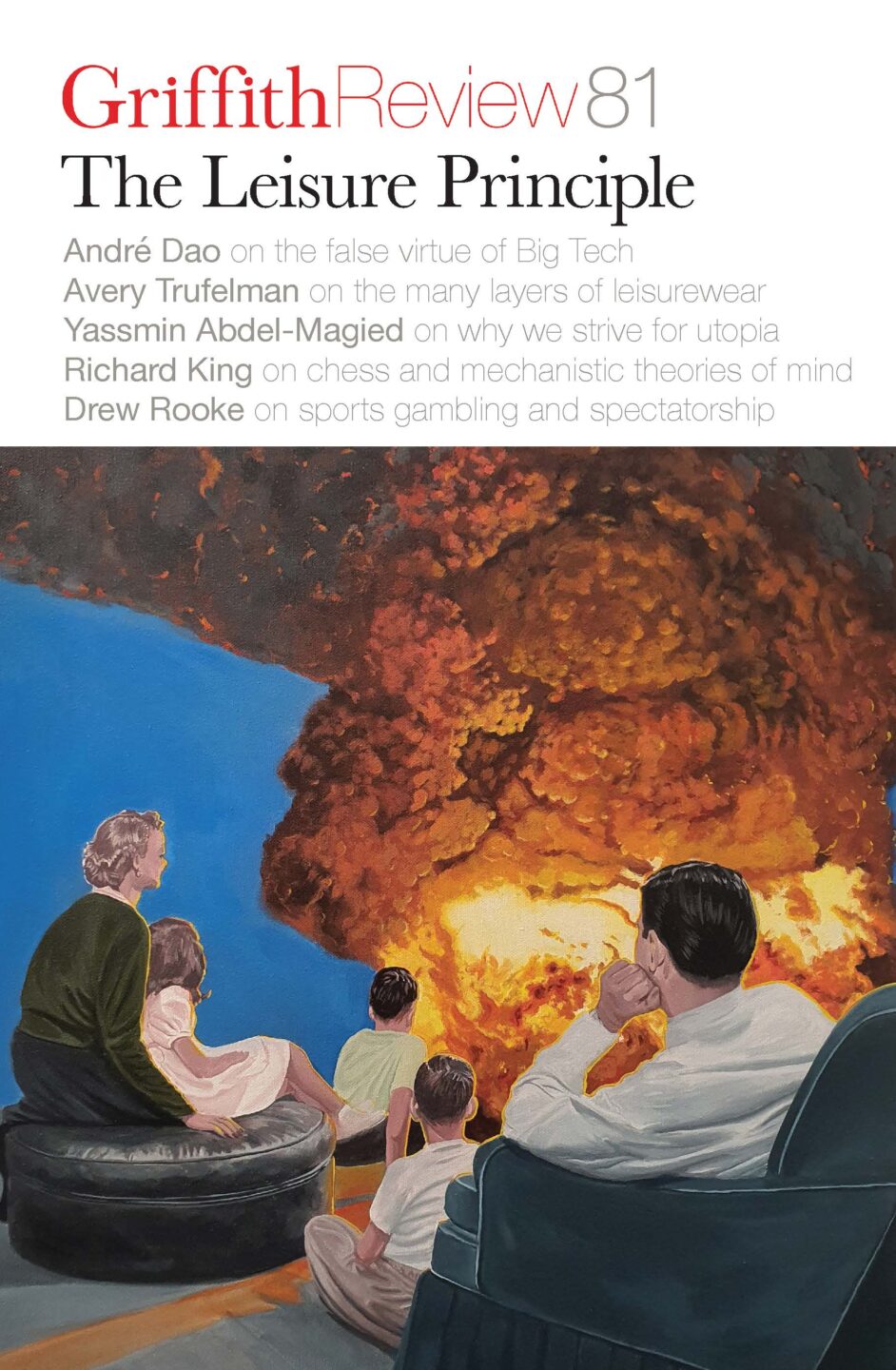
- Published 20230801
- ISBN: 978-1-922212-86-3
- Extent: 200pp
- Paperback (234 x 153mm), eBook


Already a subscriber? Sign in here
If you are an educator or student wishing to access content for study purposes please contact us at griffithreview@griffith.edu.au
Share article
About the author
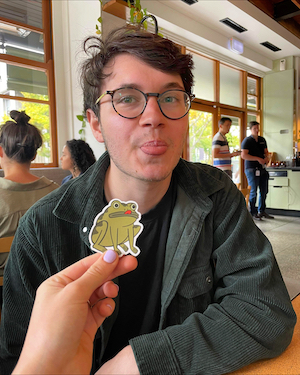
Daniel Ray
Daniel Ray’s work has previously appeared in Westerly, Overland, Island, Cordite, Voiceworks and Cicerone Journal’s 2020 anthology, These Strange Outcrops. He is currently studying...
More from this edition

At the subway station
Poetry In a world of cunning shadesI’m the only sleuth. I hop on the train bound for a futureI’ve been hired to investigate. For a moment all...
The geography of respect
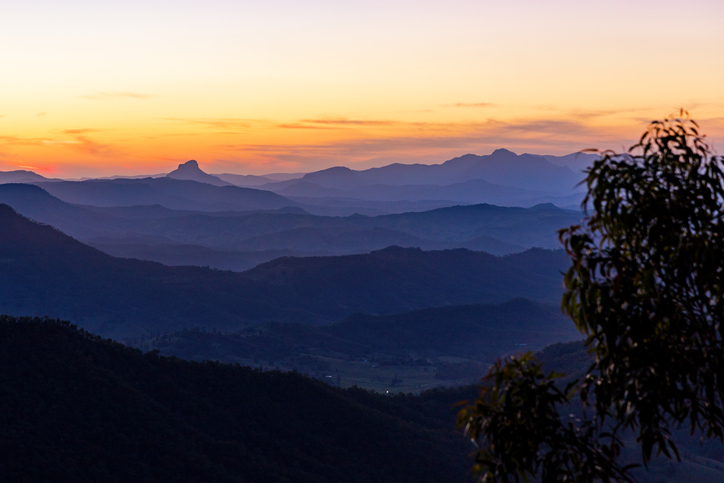
Non-fictionStarting in 2019, Parks Victoria closed or restricted access for climbers to much of Gariwerd-Grampians while it assessed cultural heritage and worked with Traditional Owners and conservation experts to develop the Greater Gariwerd Landscape Management Plan (GGLMP). These closures drew strong reactions from many climbers. They saw Parks Victoria’s actions as impinging on their rights, and its apparent focus on climbing as a risk to cultural heritage and environmental integrity as overblown.
Just like the day before and the day
Poetry after and the day beyond thatday and all the days,chairs stack up in silentrestaurants, bicycle couriers carryon past hire kit cooling itby roadsides here...
