
Featured in
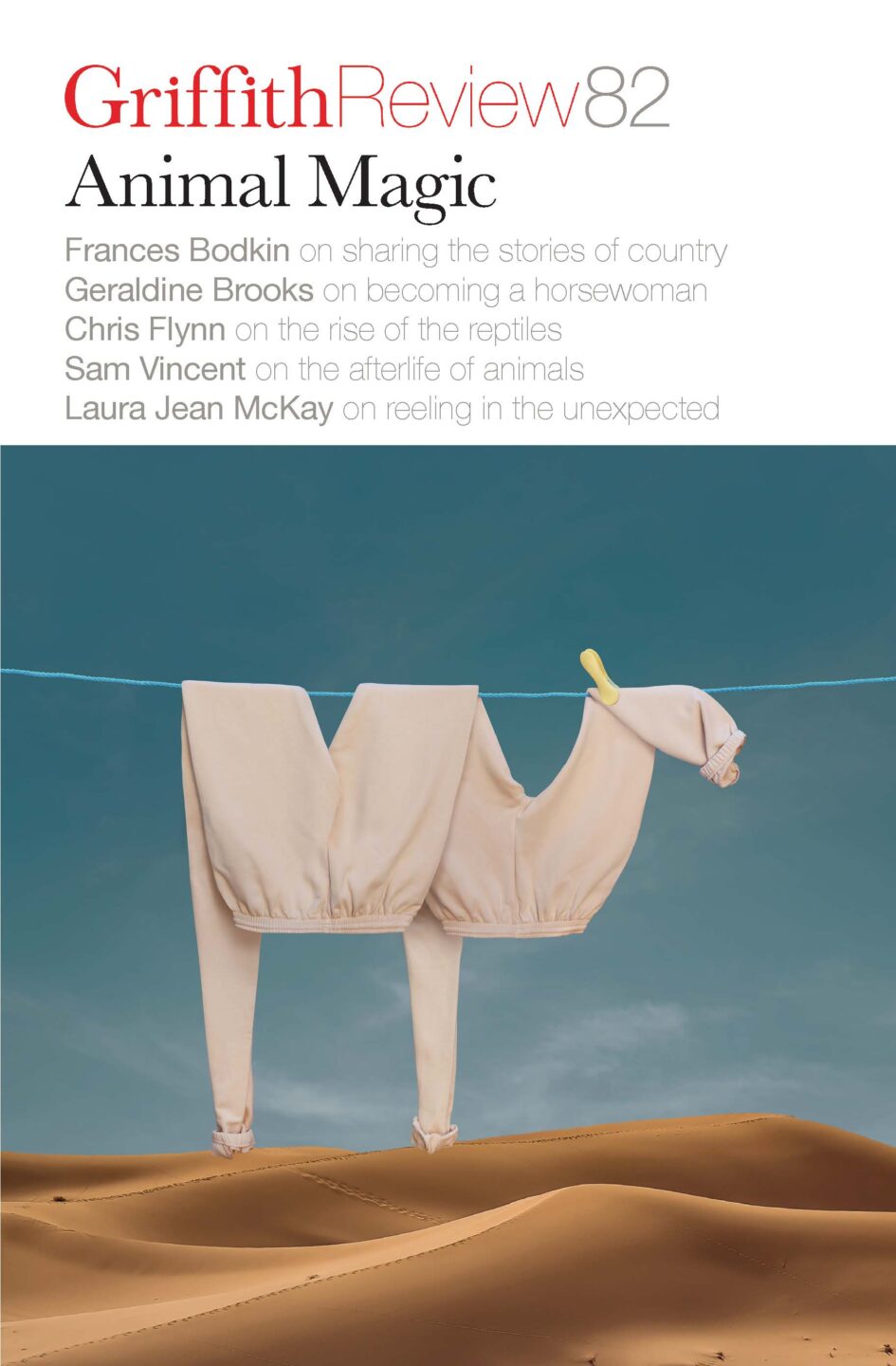
- Published 20231107
- ISBN: 978-1-922212-89-4
- Extent: 208pp
- Paperback, ePub, PDF, Kindle compatible
Already a subscriber? Sign in here
If you are an educator or student wishing to access content for study purposes please contact us at griffithreview@griffith.edu.au
Share article
More from author
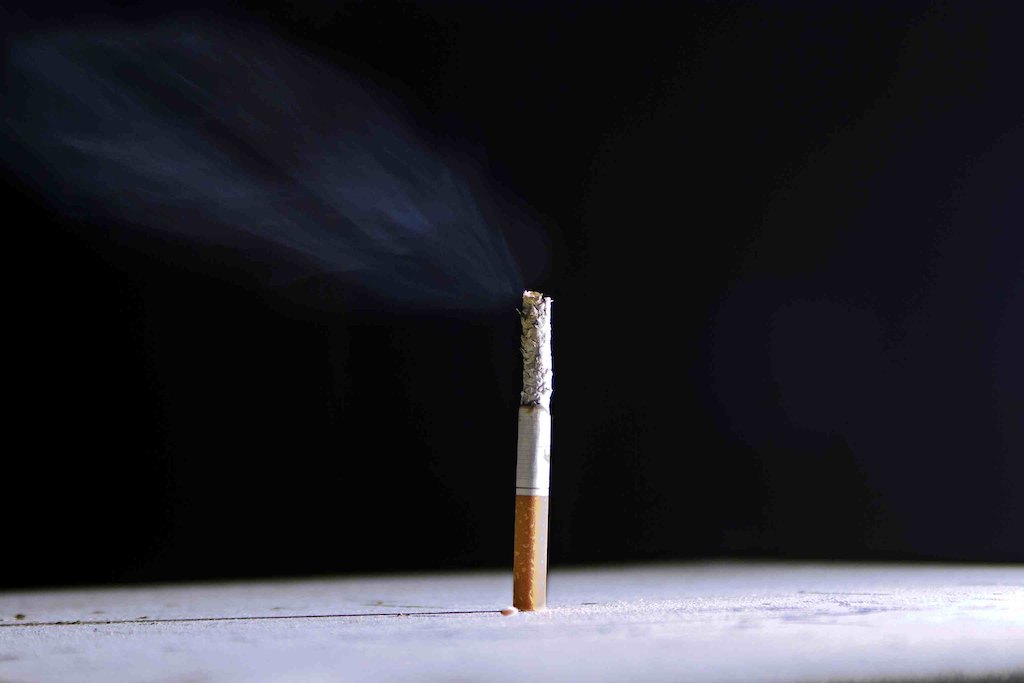
Fire and finitude
Nobody any more seriously doubts that cigarettes are injurious… What is not well understood by those opposed to smoking is that the danger of cigarettes is not antithetical or even peripheral to their appeal – it is central to it.
More from this edition
Mother of pearls
FictionBut we are more animal now than we’ve ever been. We read the water that leaps into our pools; we filter all kingdoms of life through our gills. We understand that the tendrils connecting one life form to another run much longer and deeper than you might expect. And we can entertain the notion that our strange tasks were like the fateful beats of a butterfly’s wings, and maybe the witch was a rare genius, able to perceive how the purloined dog, the pawned bird or the swapped cats would, in the mysterious rippling of the universe, lead to our deepest desires coming to pass.
Rise of the reptiles
Non-fictionIn tandem with these plans to cultivate meat in laboratories, bioscience companies in Europe, North America, South Korea and China are currently working to resurrect living, breathing examples of the woolly mammoth, thylacine and dodo. While this may seem foolhardy, the intention is to restore nature’s balance by rewilding animal habitats and damaged ecosystems.
Fly on the wall
In ConversationAnimals are extremely important and extremely neglected in our public discourse. We’re not even paying enough attention to human rights and human justice issues, and we’re paying next to no attention to non-human rights and non-human justice issues. That doesn’t mean that we don’t care – people do care about animals, and they want animals to have good lives – but we’re either unaware of or unwilling to acknowledge all the pain and suffering that animals experience as a result of human activity.
