
Featured in
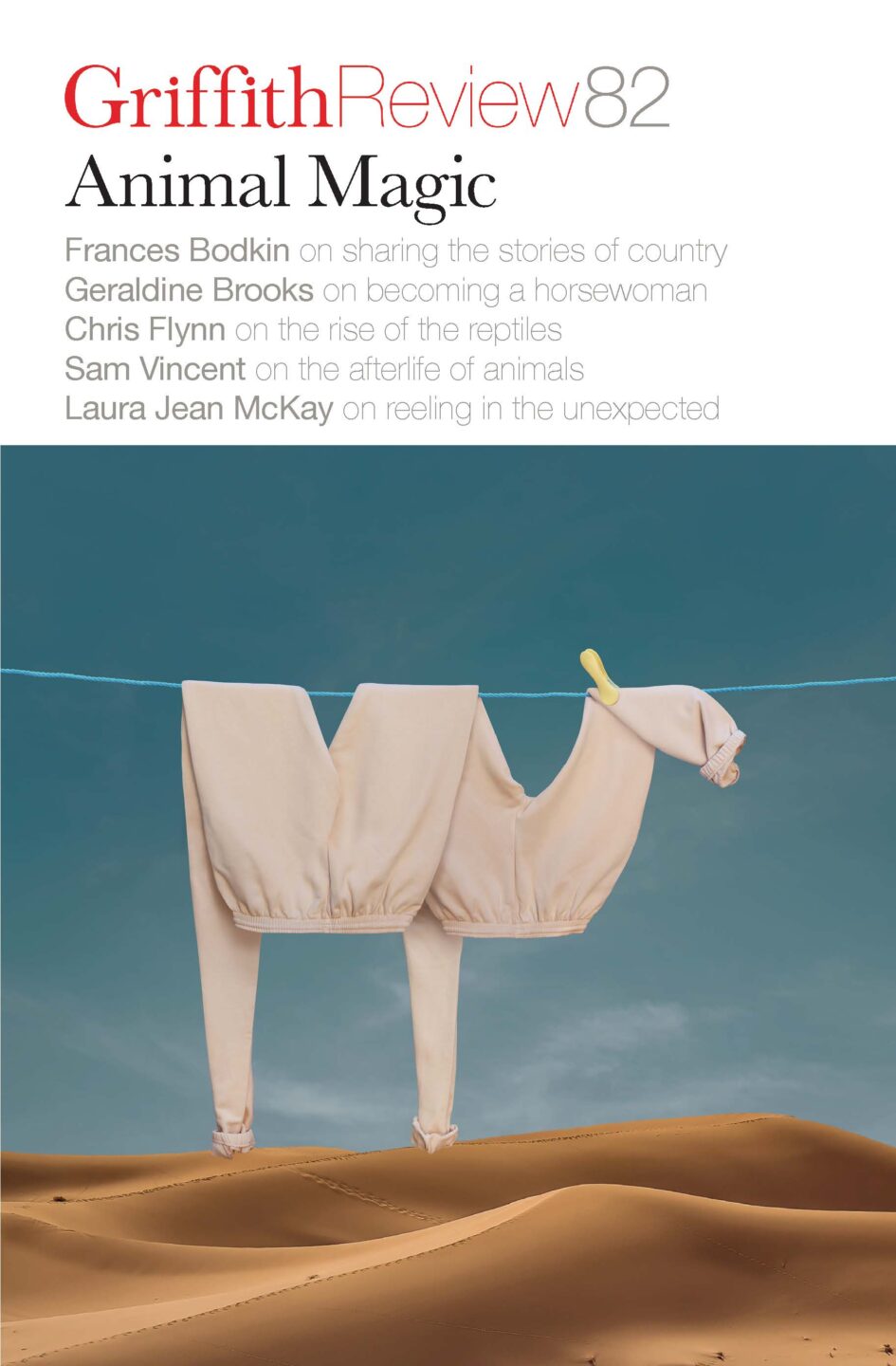
- Published 20231107
- ISBN: 978-1-922212-89-4
- Extent: 208pp
- Paperback, ePub, PDF, Kindle compatible
Already a subscriber? Sign in here
If you are an educator or student wishing to access content for study purposes please contact us at griffithreview@griffith.edu.au
Share article
About the author

Jeff Sebo
Jeff Sebo is associate professor of environmental studies; affiliated professor of bioethics, medical ethics, philosophy and law; director of the animal studies master’s program;...
More from this edition
Into the void
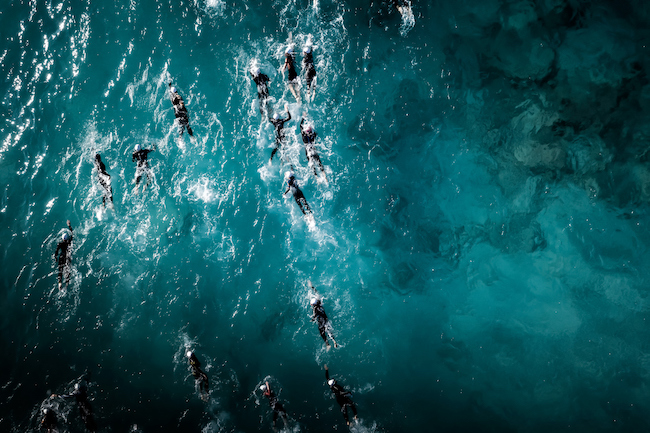
Non-fictionI think with a little fear, as I often do, of the many other (and much larger) creatures whose natural territory this is, and scan the surrounding water for any dark, fast-moving shadows. But soon I relax and settle into the rhythm of my freestyle stroke. Breathe. Pull. Pull. Pull. Breathe. Pull. Pull. Pull. Breathe.
Divine dis/connection
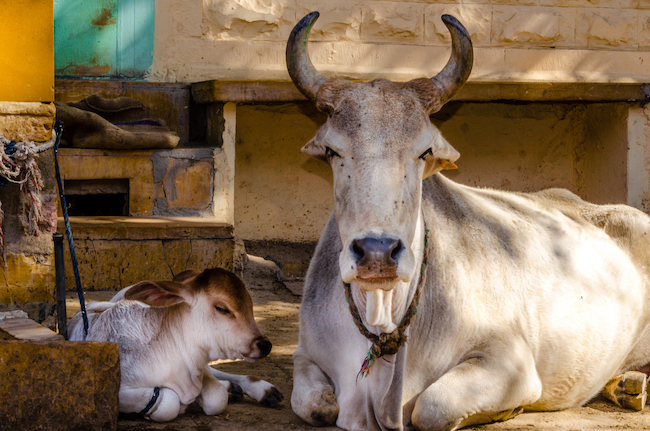
Non-fictionMY FAMILY HAVE always been wary around animals, especially in the home (I could have written ‘non-human animals’, but a stark separation of human from animal is truer to them). My brother and I have changed because of animal encounters in share houses and via intimate others, and we now each live with a partner who likes cats (I ‘have’ one cat; he ‘has’ two). But our parents have remained the same.
The rabbit real
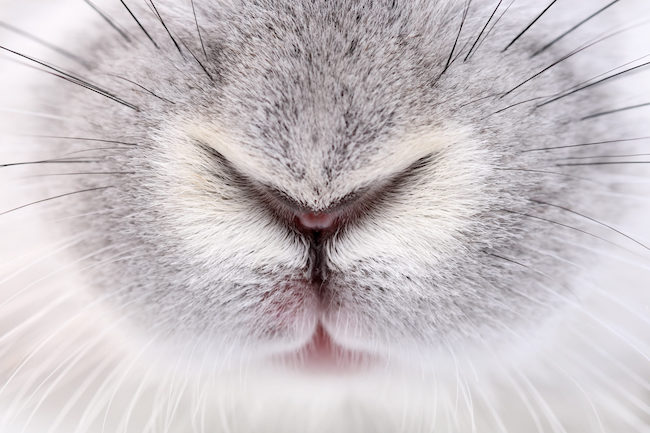
Non-fictionI know you want to ask me if I had a difficult childhood, if I suffered physically or mentally in any way that might swerve from the ‘normal’ pattern of development. But I have nothing to report: no tales of abuse to exploit through memoir; no scars to split open for internal poking. I had friends when I wanted them but was also happy when alone with the rabbit.
