
Featured in
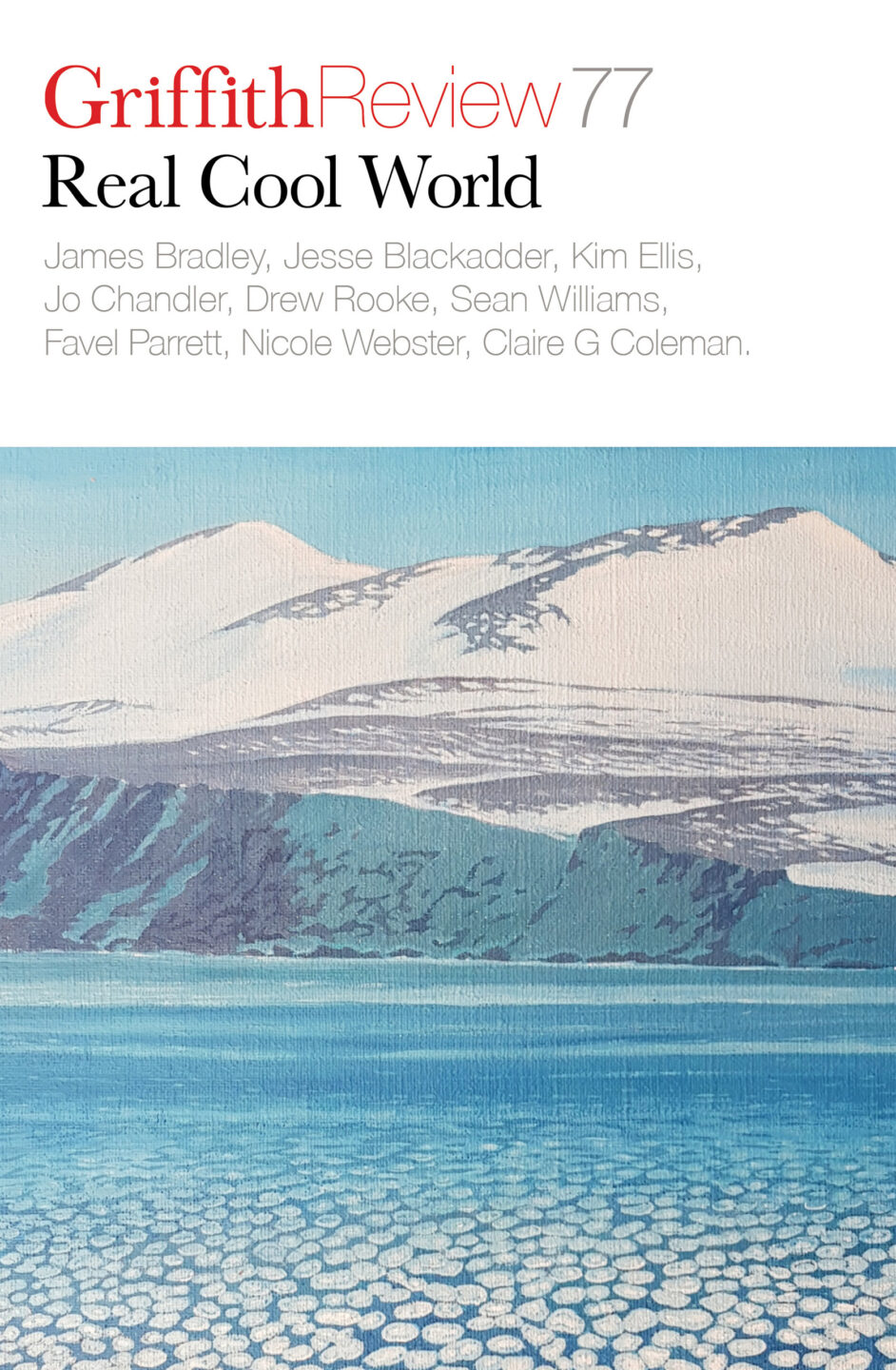
- Published 20220503
- ISBN: 978-1-922212-74-0
- Extent: 264pp
- Paperback (234 x 153mm), eBook

Already a subscriber? Sign in here
If you are an educator or student wishing to access content for study purposes please contact us at griffithreview@griffith.edu.au
Share article
About the author

Tony Press
Tony Press is an adjunct professor at the University of Tasmania. He was director of the Australian Antarctic Division from 1998 to 2009 and...
More from this edition
Blinding whiteness
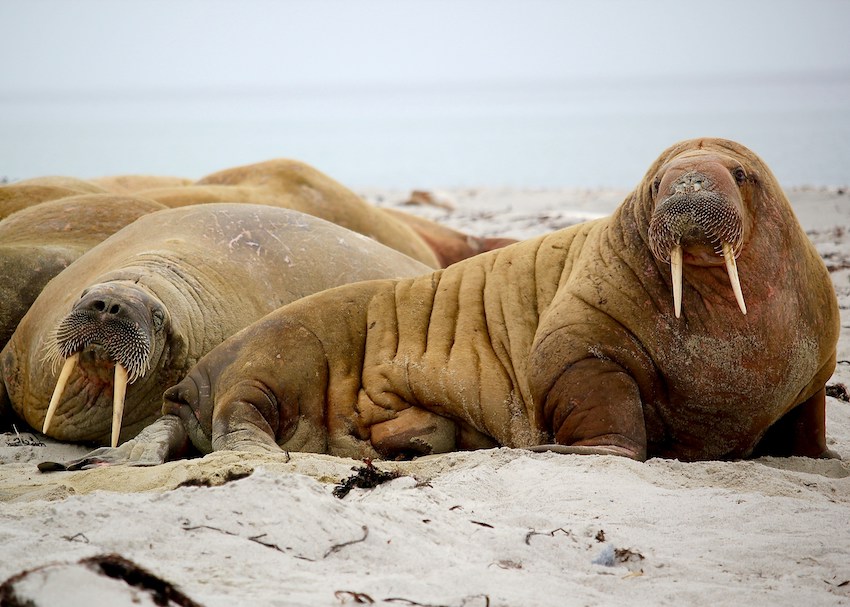
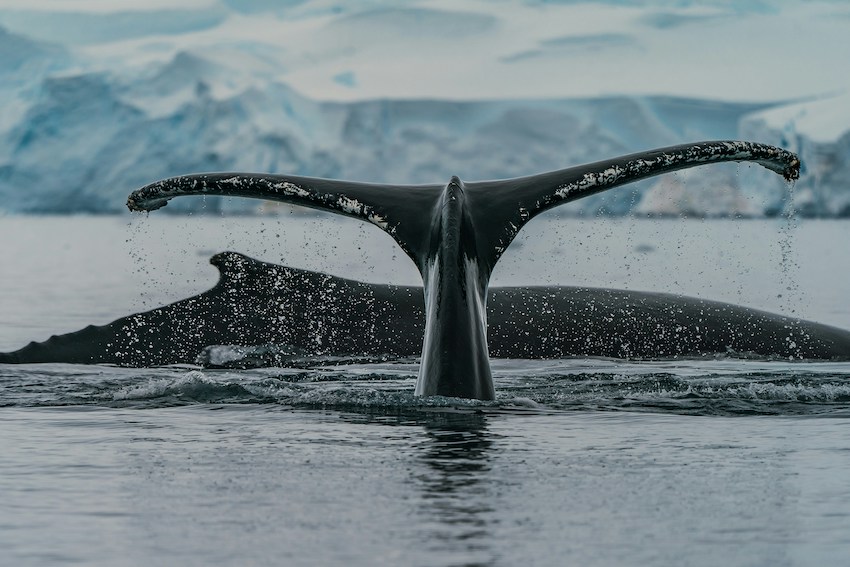
EssayStories of animal migration to Antarctica, such as yalingbila, are reminders of global Indigenous connections to the frozen continent. As our kin traverse Antarctic waters, they too connect with the myriad creatures carving a living out of the ice.
A subantarctic sentinel
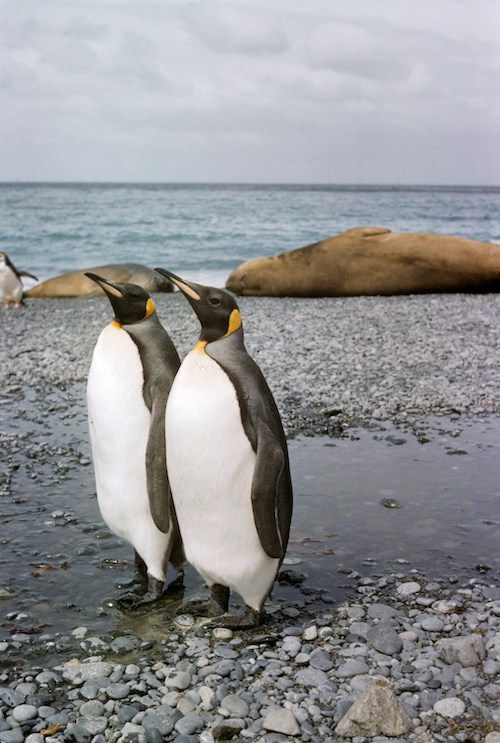
ReportageIt didn’t take long for this knowledge to spread wider – and for Macquarie Island to become an open-air slaughterhouse. By December 1810, another three Sydney-based sealing gangs were operating there and, within the first eighteen months of operation, roughly 120,000 fur seals had been killed for their fine pelts.
Audacious visions for the Antarctic
Memoir IT WAS EARLY 1984. It started with a phone call: can you do an environmental impact assessment of the effect of mining in Antarctica...
