A subantarctic sentinel

Solving the mystery of Macquarie Island’s dieback

Featured in

  • Published 20220503
  • ISBN: 978-1-922212-74-0
  • Extent: 264pp
  • Paperback (234 x 153mm), eBook

IN A BACK corner of the Royal Tasmanian Botanical Gardens in Hobart is an unassuming but very special teardrop-­shaped pale-­yellow building. Made of thick concrete and roughly fourteen metres long by six metres wide, it is reminiscent of a small wartime bomb shelter. Grey rocks and grasses line its base and above its double-­layer clear polycarbonate roof is a white metal frame that supports a large sunshade. Beside the glass entrance door is a sign inviting visitors to ‘come inside and step ashore on a subantarctic island’.

The subantarctic region, located a few degrees of latitude either side of the Antarctic Convergence, mightn’t have the same mythical status – the same hold on the collective human imagination – as the icy continent further south does, but it does contain numerous islands that are havens of life in the middle of the huge oceanic desert that is the Southern Ocean. The Subantarctic Plant House, as this building is known, is modelled on one of these islands: Macquarie Island, a cold, wet and windy speck of land located halfway between Tasmania and Antarctica.

Already a subscriber? Sign in here

If you are an educator or student wishing to access content for study purposes please contact us at griffithreview@griffith.edu.au

Share article

More from author
Into the void

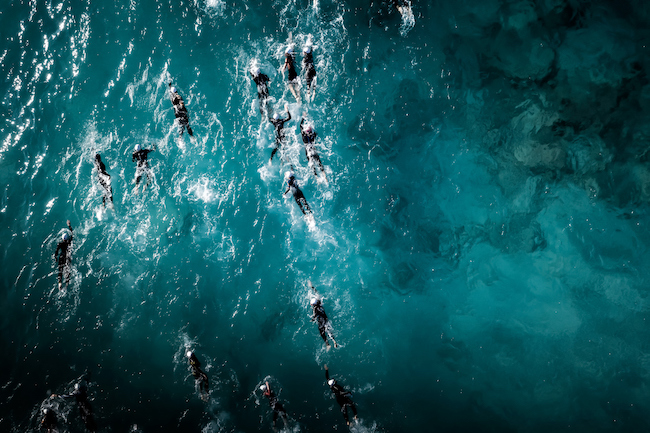
Non-fictionI think with a little fear, as I often do, of the many other (and much larger) creatures whose natural territory this is, and scan the surrounding water for any dark, fast-moving shadows. But soon I relax and settle into the rhythm of my freestyle stroke. Breathe. Pull. Pull. Pull. Breathe. Pull. Pull. Pull. Breathe.

More from this edition

Hope sends a message

FictionI am here to get the feel of the place; to understand why they are here, at the edge of the world, keeping hope alive. I need that hope and I think I am not alone in that sentiment. That is why I was sent, why I agreed to come, why this piece is being published – unless it has been suppressed. I am displaced as much as the people here; my family have not been to our homelands for generations.

Enter the internationalist

In Conversation Approaching this year’s fiftieth anniversary of the Whitlam government’s election in December 1972, Griffith Review has curated a series of intergenerational conversations in collaboration...

Inside, and outside

MemoirOn the ship it’s a mix of hurry up and wait – cabins cleaned, bags packed and stacked in the halls, people standing in cabin doorways chatting – the uncertainty of farewells. Especially the twenty-­odd Mawson-­bound expeditioners – not knowing who to farewell and when.

Stay up to date with the latest, news, articles and special offers from Griffith Review.