
Featured in
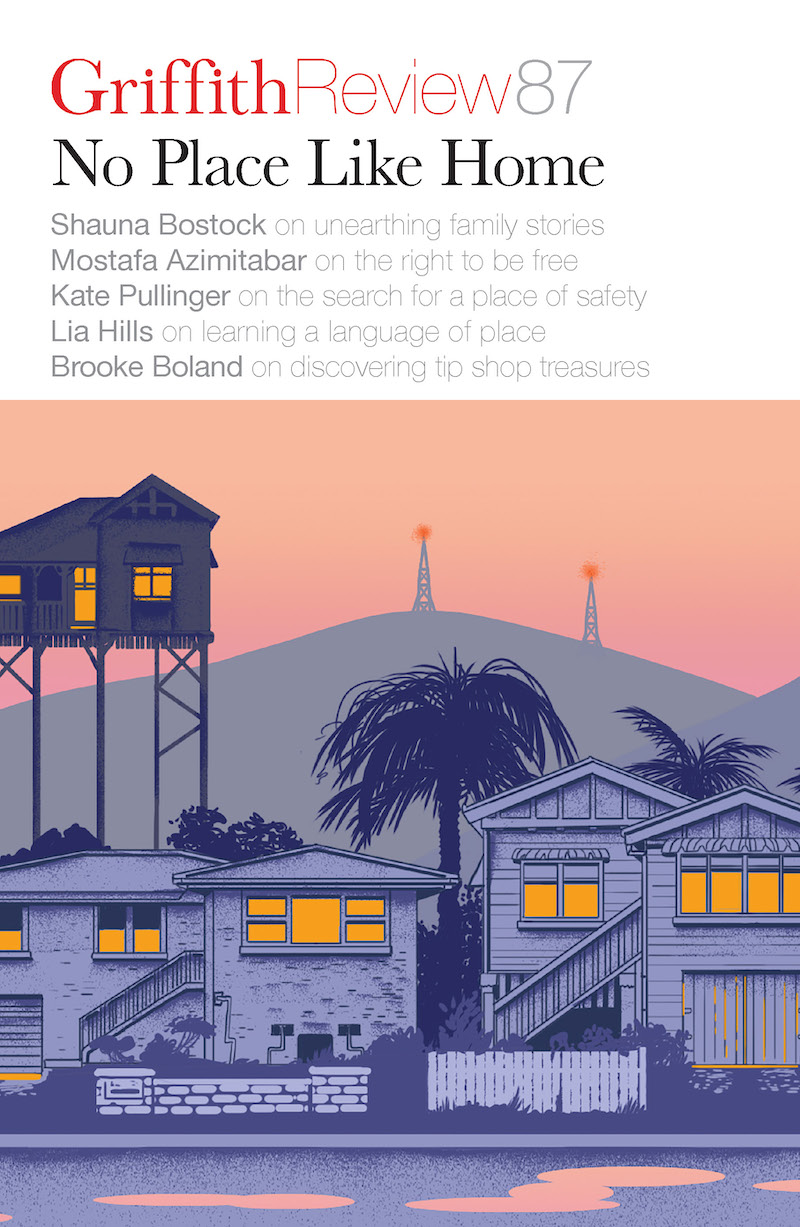
- Published 20250204
- ISBN: 978-1-923213-04-3
- Extent: 196 pp
- Paperback, ebook. PDF
Already a subscriber? Sign in here
If you are an educator or student wishing to access content for study purposes please contact us at griffithreview@griffith.edu.au
Share article
About the author
Lily Holloway
Lily Holloway’s work has been published in Black Warrior Review, Sundog Lit, Ōrongohau: Best New Zealand Poems, Peach Mag and Hobart After Dark, among others. Their...
More from this edition
Bellend
Poetry ‘Nice little bell, buddy,’ snipes some guy holding space in the bike lane as I nearly swipe him on my way to the shops. Low and...

Songs of the underclasses
Non-fictionDiē was the best driver I knew. ‘When you drive, you stare at everything but see nothing. You’re inexperienced,’ he lectured. ‘When I drive, I stare at nothing – I can chat, I can sing. But I see everything. Parking spaces, jaywalkers with a death wish, doggies and kitties. And for hours at time, without breaking concentration. It’s like meditation.’ Diē’s love language included showing me footage of near-miss traffic incidents on WeChat. Each trip of ours decreased my risk of appearing in his feed. These hours became the most time we had ever spent together.
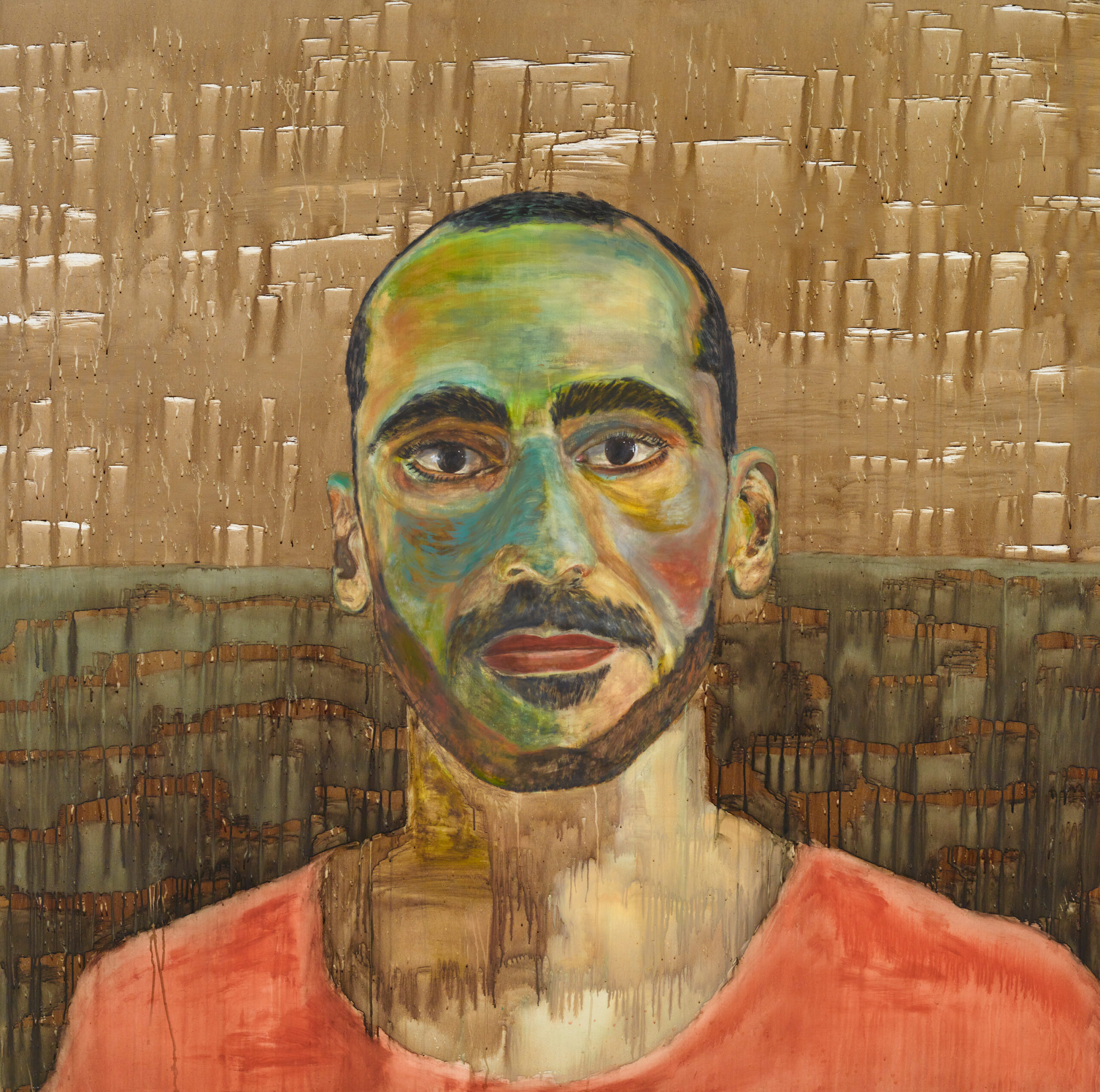
Painting behind bars
In ConversationEvery time I grab a toothbrush, it makes me smile that [this all began] at Manus. I mean, this technique comes from suffering. This is not from university. I am forbidden from studying or getting a qualification here, but sometimes we can learn from suffering. I am managing to heal my trauma [with] painting. Whenever I feel sad, I paint. Whenever I feel happy, I paint. It’s like a treasure, how can I explain it? It’s invention, it’s something that hasn’t happened before. Everyone uses a toothbrush, but when I paint with a toothbrush I feel it helps me understand that my work, the marks I make, are very unique. It brings the story back. I don’t want people to forget about the story because I don’t want to escape from who I was, who I am. I would like to share the truth that this happened to me.
