
Featured in
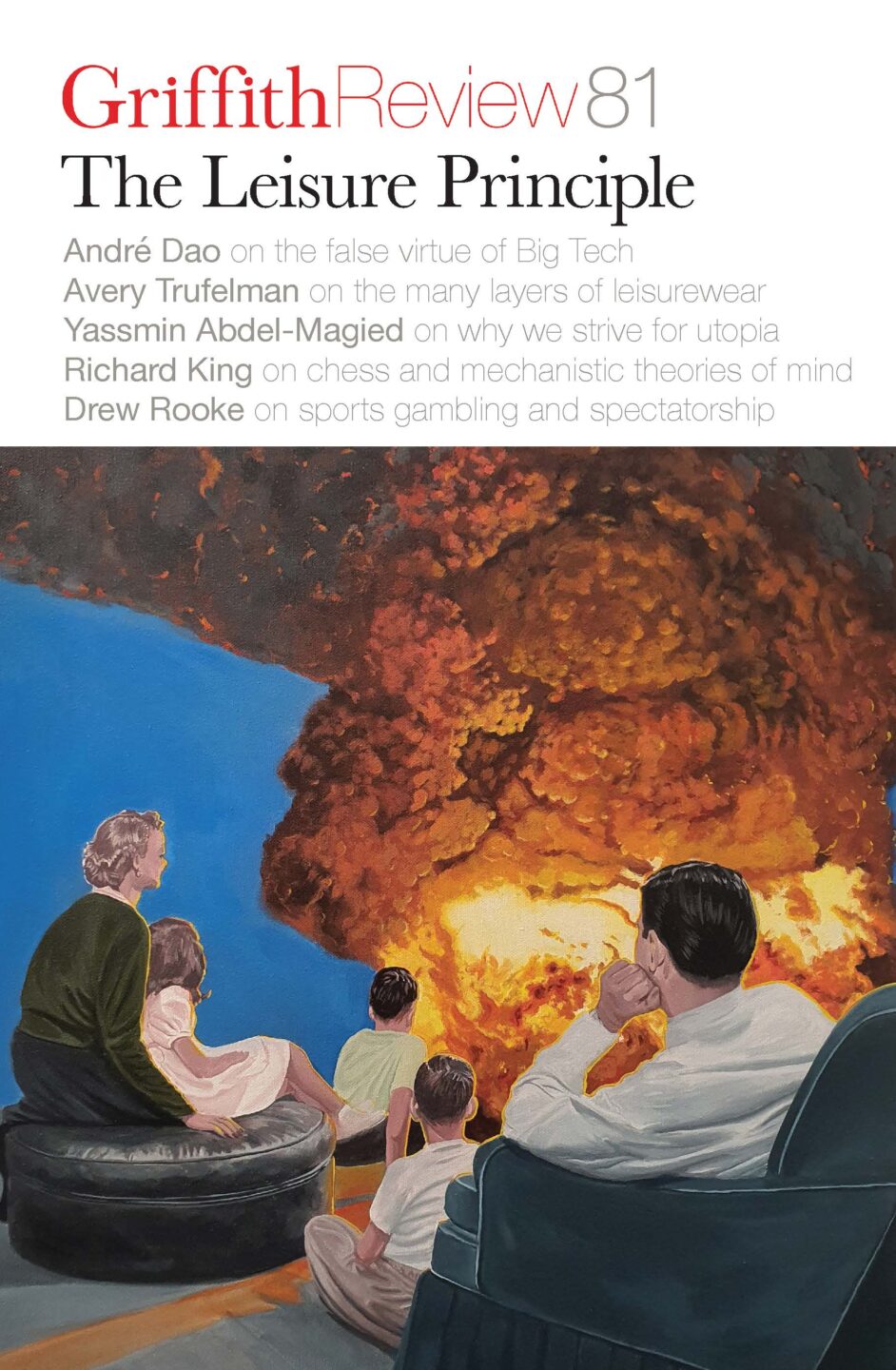
- Published 20230801
- ISBN: 978-1-922212-86-3
- Extent: 200pp
- Paperback (234 x 153mm), eBook

Already a subscriber? Sign in here
If you are an educator or student wishing to access content for study purposes please contact us at griffithreview@griffith.edu.au
Share article
About the author

Jonathan O’Brien
Jonathan O’Brien is a writer, software developer and housing advocate. He was the recipient of a Brisbane Lord Mayor’s Young and Emerging Artists Fellowship...
More from this edition
Dressed for success
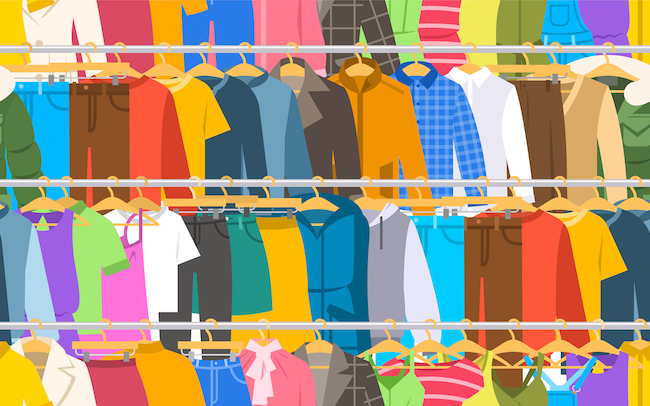
In ConversationHip-hop was about taking this mainstream look – a nice, acceptable, appropriate look – and, like, changing it up. Sampling it like it’s a song and turning it into something new. So when preppy emerged in mainstream white corporate culture, it started mixing with denim in new ways and mixing with sneakers in new ways and becoming a form of streetwear.

An idle moment
IntroductionIn 2008, Finnish performance artist Pilvi Takala embarked on an audacious project called The Trainee. For one month, she worked as a marketing intern at the global accounting firm Deloitte. Instead of carrying out the usual responsibilities expected of this role, Takala did…nothing.

Virtue signals
Non-fictionThe sheer speed and volume at which data is processed, coupled with popular imaginings of the infallibility of machines, means that predictions produced by such processes are imbued with the aura of objectivity. As a result, hard decisions – acting in contexts of radical uncertainty, and having to determine winners and losers – become easy ones based on limited considerations directed towards improving the lot of as many individuals as possible while doing least harm. In other words, big data transforms the need to act politically into the possibility of acting only technically.
