
Featured in

- Published 20240806
- ISBN: 978-1-922212-98-6
- Extent: 216pp
- Paperback, ePUB, PDF
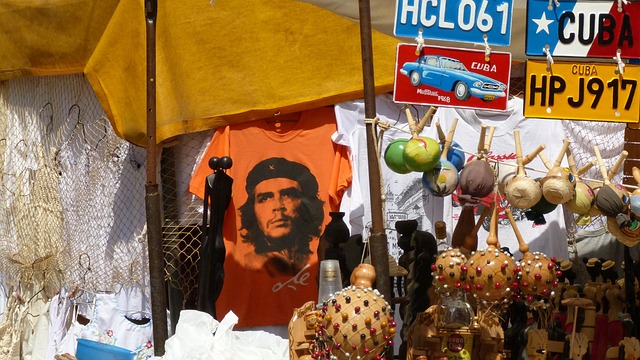
Che Guevara is white and wearing a shirt
with his face on it, mansplaining Derrida or Adorno
a hat like your grandfather used to wear though at least
the man knew something about the great war [2]. This Che
hasn’t worked out how to borrow a book from the Baillieu yet
& his diary suggests a paranoid persona not a propensity
toward engines – see, he is trying to build something here
the exact proportions of which were lost with Da Vinci
or was it Dan Brown? Your dog, likewise, is a sommelier
of poop. Can snack twice on an idea of self but never
quite muster a technology. The part of the rewriting
in present tense hasn’t become present yet. Present
to self: presence. The sort of gift that keeps giving
you anxiety. Untangle a tongue, but still the memory
of knots. You are me are him, in a sense of difference
though there is nothing deferential about this. We both
hate him, hate you. Just join the environmental society
& hoon a cherry vape with someone just as old & stupid
as you will be. Imagine: dealing with humanity every day.
Imagine: people turn to you, gasp. Imagine: mansplaining
but this time end up with an abanico, a PowerPoint &
a briefcase. Imagine: the classroom gets that much
smaller and becomes an office.
Share article
More from author

The pool
Mum always says to me, you know what he’s like – your father. As if the old man is my responsibility and mine alone. Little wonder that legacy and liable have the same number of syllables. Of course I know what he’s like…so much so that I’m not even remotely surprised when one afternoon I hop off the school bus and come wandering inside with my little brother Jeremy in tow to find a big bald bloke sitting cross-legged at the dining table blabbering on about fibre glass this, solar heating that. On the table in front of Dad, a corona of shiny brochures.
‘We’re getting a pool, sons!’ Dad winks at Jeremy.
More from this edition

Animal control
FictionShe’d seen her mother a couple of times since the lockdown ended, but it was still a shock. Margaret had lost some vital density that seemed ethereal, although it was obviously about her body – the protruding cheekbones, eyes sunk too deep in her head and hair a wispy cap across her scalp. Only her hands looked the same – her piano-playing hands resting neatly in her lap, long-fingered and surprisingly preserved. The rest of her was ghostly, and there was a blink when she looked at her daughter and the lights didn’t go on. SJ felt a momentary sinkhole: not that, not yet.
Put your house in order
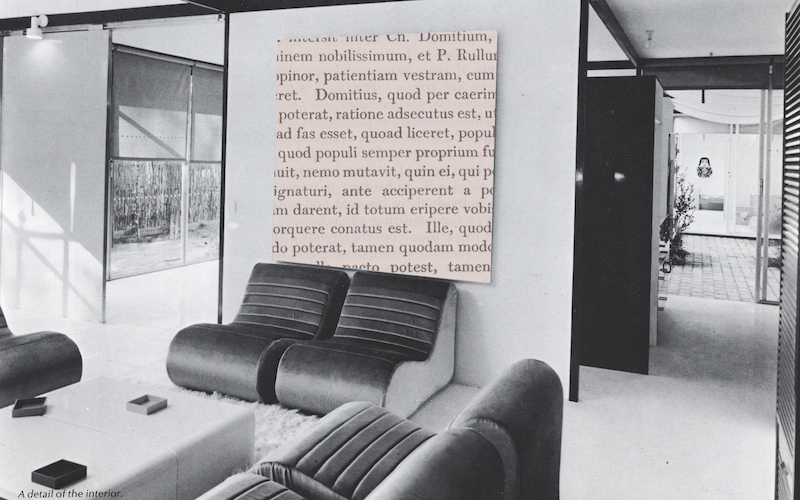
In Conversation Poet, performer and musician Pascalle Burton has always been compelled by the visual possibilities of language and the imaginative dynamism of collage. Her multimodal...
Into the void
Non-fictionThe singular achievement of mass politics was allowing otherwise powerless individuals a greater say in how society was ruled. It gave ordinary people the kind of status that hitherto they could hardly imagine. Its withering away, therefore, has allowed those in society whose status has always been higher to assert their interests more fully. Business and the wealthy are no longer forced to make big compromises to accommodate the interests of those below them in the social pecking order. For example, trade and financial liberalisation policies have permitted many companies to shift production, and even some services, offshore to capitalise on lower labour costs, weakening unions’ bargaining power considerably. Many lower paid workers have been pushed into insecure, low-paid jobs with poor conditions, a transformation justified by political and economic elites as contributing to greater economic ‘efficiency’ and labour market ‘flexibility’. Owners thus pocket a greater share of the economic pie, while workers’ incomes often stagnate or even decline in real terms, causing wealth inequality to rise steeply...
