
Featured in
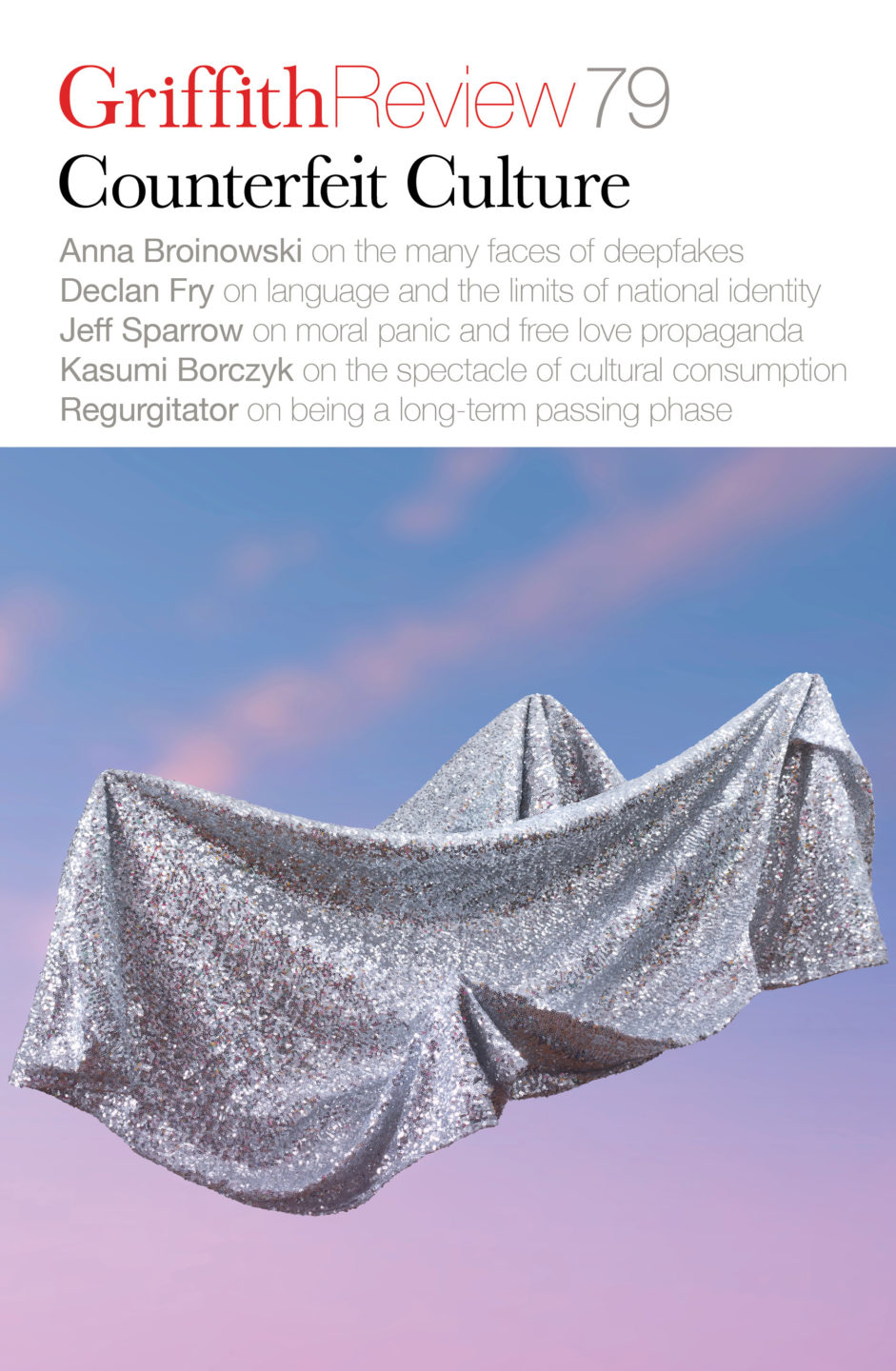
- Published 20230207
- ISBN: 978-1-922212-80-1
- Extent: 264pp
- Paperback (234 x 153mm), eBook

Already a subscriber? Sign in here
If you are an educator or student wishing to access content for study purposes please contact us at griffithreview@griffith.edu.au
Share article
About the author
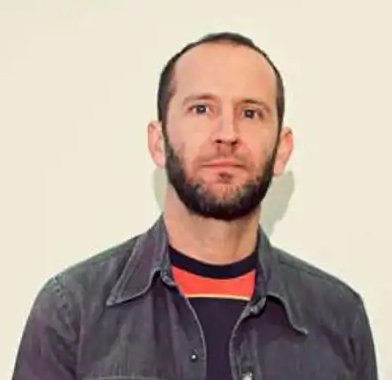
Ben Ely
Ben Ely is an award-winning musician and artist. He's a founding member of, and bass player with, Regurgitator. His other musical projects includes work...
More from this edition

Will we dance when it’s over?
Non-fictionThe stakes in our real world have reached a point so high, so close to apocalypse, that they’ve disappeared entirely. We are gripped by a nihilism and unnerving sense of unreality, and so we don’t receive the messages others are trying to send to us.

The trick that tells the truth
Non-fictionAs subjects of late capitalism, we’ve become inured to the amoral cynicism inherent in relentless corporate marketing; yet both the good faith of our human nature and the susceptibility of our lizard brains ensure that we also remain receptive... In 2020, the disjunction between AGL’s public relations and the truth of the company’s business practices was highlighted and ridiculed in the public realm, ending in a court case of profound significance on Australia’s twisted road to belated action on climate change.

Radical love
FictionPeople ask me how to manifest their greatest desires because I am clearly living the life of my dreams. I am renowned for my healing work and own a vast business empire connected to it, although this has not always been the case. Prior to my unlimited success, I dabbled in various careers but never settled on any, feeling there was more to existence if only I could grasp it.
