
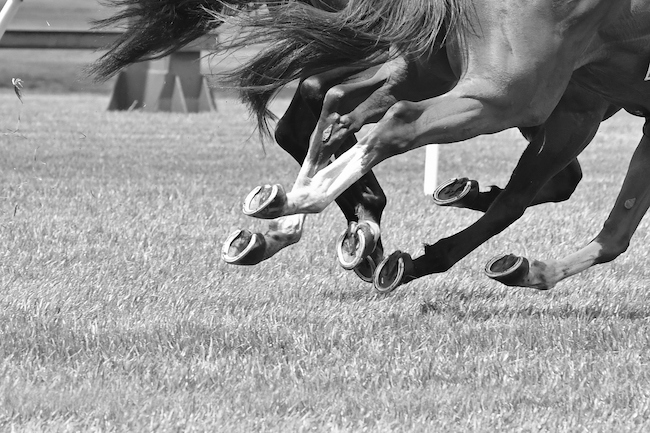
A life with horses
Forging an indispensable partnership
Featured in
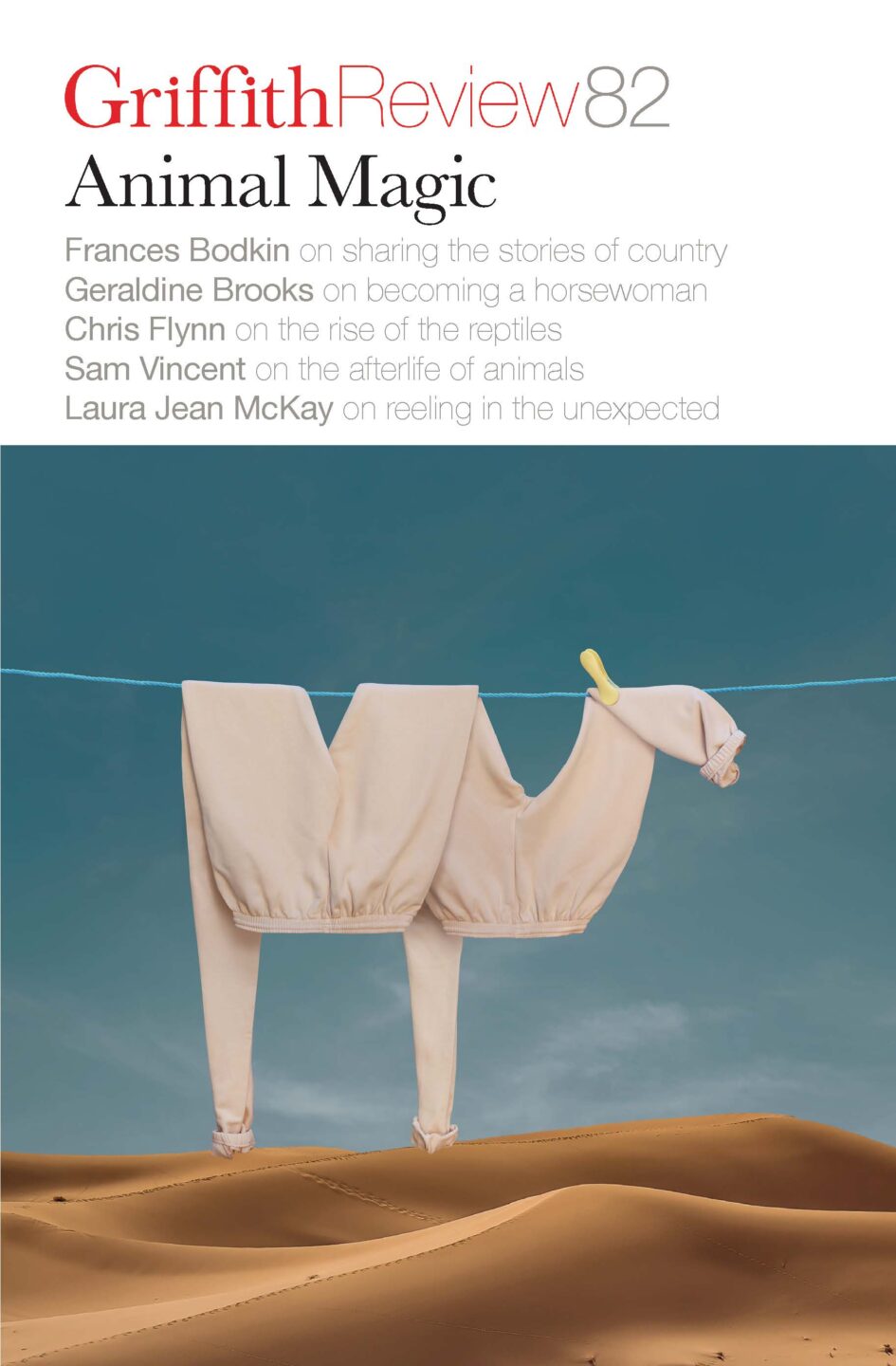
- Published 20231107
- ISBN: 978-1-922212-89-4
- Extent: 208pp
- Paperback, ePub, PDF, Kindle compatible

Already a subscriber? Sign in here
If you are an educator or student wishing to access content for study purposes please contact us at griffithreview@griffith.edu.au
Share article
More from author

Writing from the past
GR OnlineI SPEND A lot of time in graveyards these days. On mornings when it's too blustery to walk my dogs on the beach, I...
More from this edition
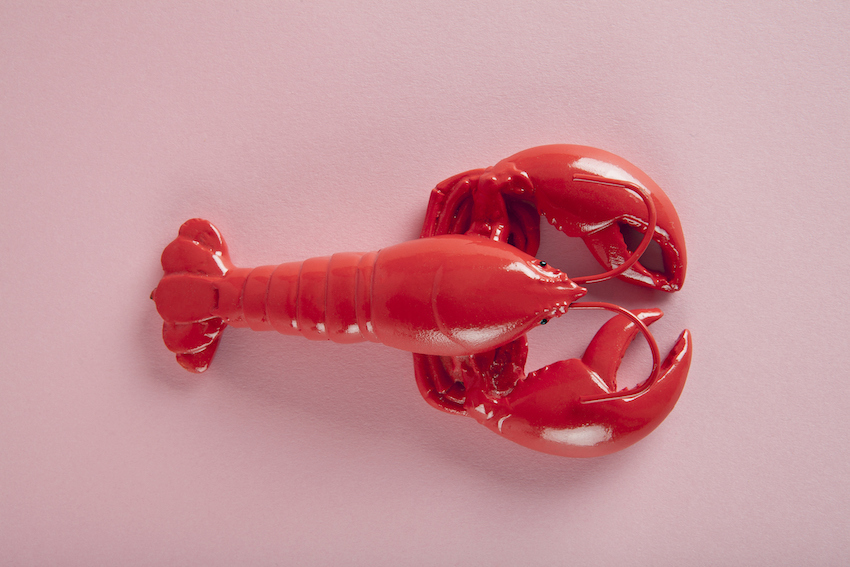
Sartre’s lobsters
Non-fictionIn The Secret Life of Lobsters (2004), Trevor Corson describes how, before the lobster’s status had sufficiently improved for affluent urbanites to desire its meat, ‘lobster’ was used derogatorily to describe British redcoats during the American Revolution and, later, dupes or fools in general. Which brings me to Jordan Peterson.
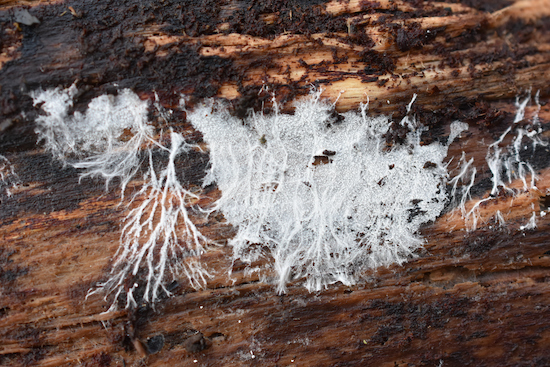
The animal in the walls
Non-fictionScrambling the scientific assumptions of the time, fungi and fungi-like organisms also gained new cultural and symbolic meanings. They began to sprout in the claustrophobic houses of gothic fiction and the swamps of horror; in the centre of the Earth and on the distant moons of science fiction; in utopian tracts, revolutionary and anti-revolutionary literature; and in the parasitic infections of the post-apocalyptic.
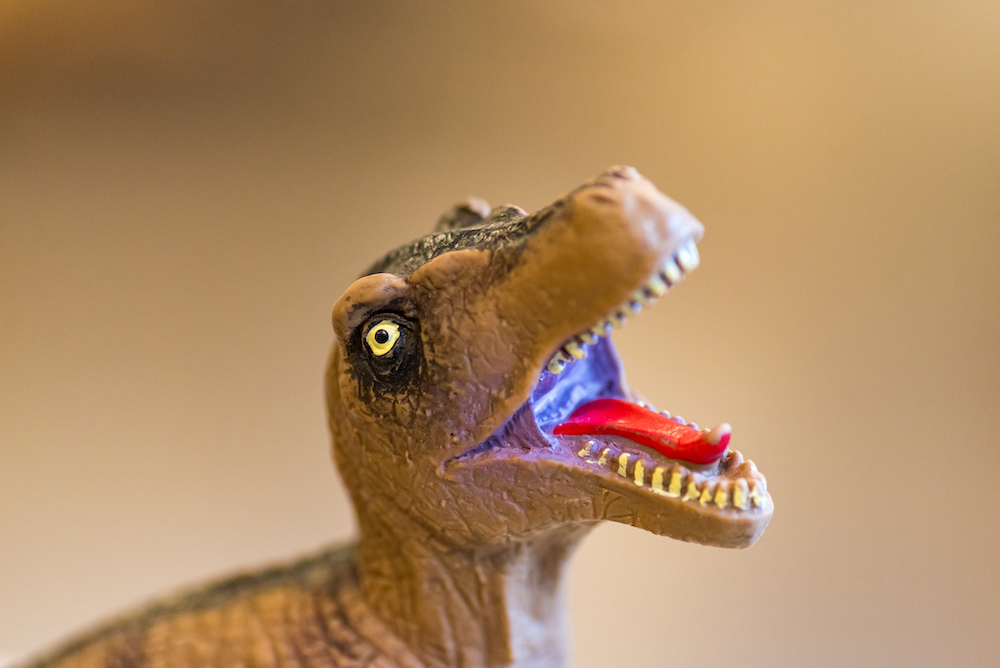
Rise of the reptiles
Non-fictionIn tandem with these plans to cultivate meat in laboratories, bioscience companies in Europe, North America, South Korea and China are currently working to resurrect living, breathing examples of the woolly mammoth, thylacine and dodo. While this may seem foolhardy, the intention is to restore nature’s balance by rewilding animal habitats and damaged ecosystems.
