
Featured in
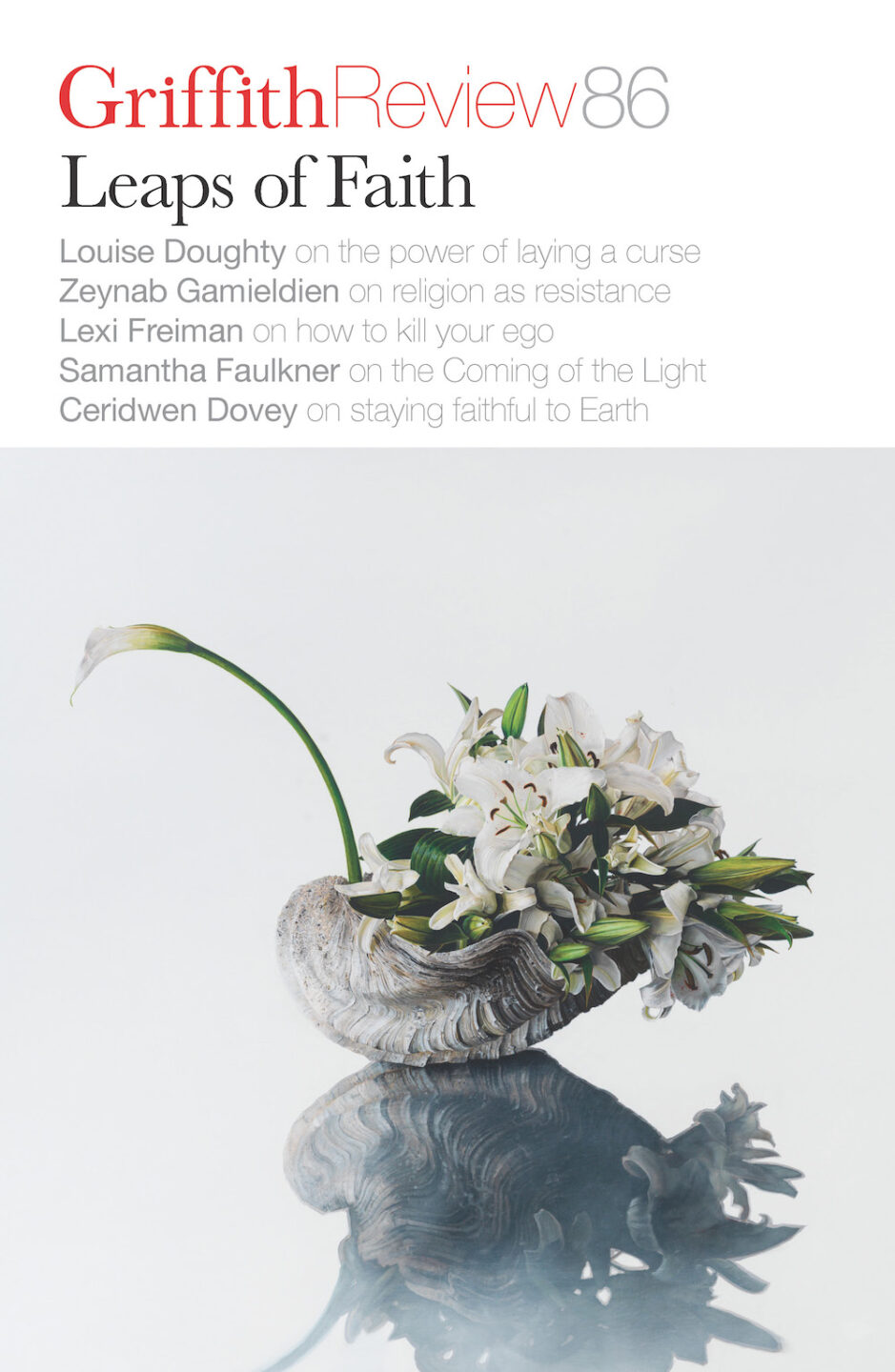
- Published 20241105
- ISBN: 978-1-923213-01-2
- Extent: 196 pp
- Paperback, ebook, PDF
Already a subscriber? Sign in here
If you are an educator or student wishing to access content for study purposes please contact us at griffithreview@griffith.edu.au
Share article
About the author
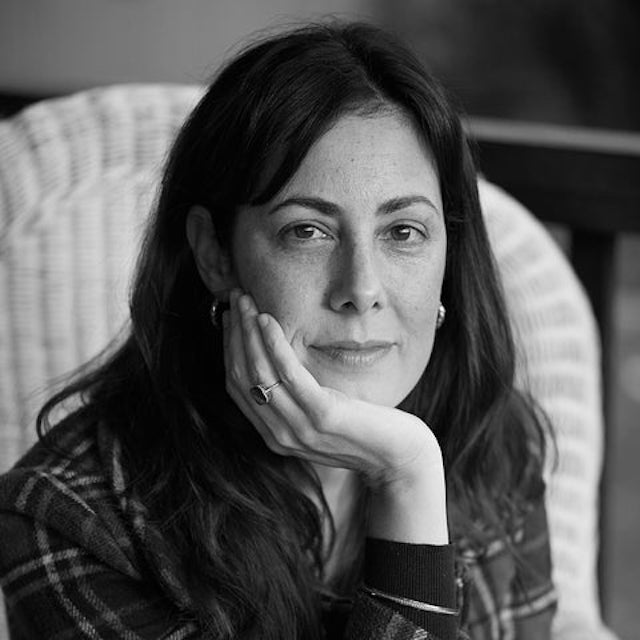
Sita Walker
Sita Walker is a high school literature teacher, freelance writer and award-winning memoirist whose first book, The God of No Good (Ultimo Press, 2023),...
More from this edition

Moonshot
Poetry in the tenth set he sent the tennis ball on an interstellar galaxy quest, a sudden outburst which seemingly served no visible purpose but still remained an...
Tawny child
FictionCarefully, Morgan loosened the fabric. The crying increased in volume. Eventually, the small dark head of a bawling, tawny child emerged into the clear light. Morgan looked at the child with her eyes narrowed and her lips pursed, as if she were considering an heirloom of unknown value. Hans took the envelope from the fingers of the man in the blue suit and tore the gold seal. Inside were five crisp, dry banknotes. The man in the blue suit told them that such payments would be forthcoming every month, and that the child’s name was Many-gift in the local dialect, but they were to refer to him as Albert and raise him as their own.
Religion as resistance
Non-fictionIn their youth, my parents participated in the anti-apartheid movement, attending meetings and outlawed protests. From birth their lives had been prescribed by the apartheid regime, from the suburbs they could live in to the beaches they could swim at to the benches they could sit on; there was little it saw fit to leave unregulated. Both of their families had been forcibly relocated from District Six when it had been reclassified as a whites-only area. They attended Coloured schools, where they were taught by both white and Coloured teachers. At one of these schools, my teenaged mother challenged a teacher for making a racist comment and subsequently chose to leave the school when they backed the teacher instead. My father’s father was a Shaykh, his uncle an eminent Islamic scholar known across both the Cape and wider South Africa. In their youth, my parents participated in the anti-apartheid movement, attending meetings and outlawed protests. From birth their lives had been prescribed by the apartheid regime, from the suburbs they could live in to the beaches they could swim at to the benches they could sit on; there was little it saw fit to leave unregulated. Both of their families had been forcibly relocated from District Six when it had been reclassified as a whites-only area. They attended Coloured schools, where they were taught by both white and Coloured teachers.
