
Featured in
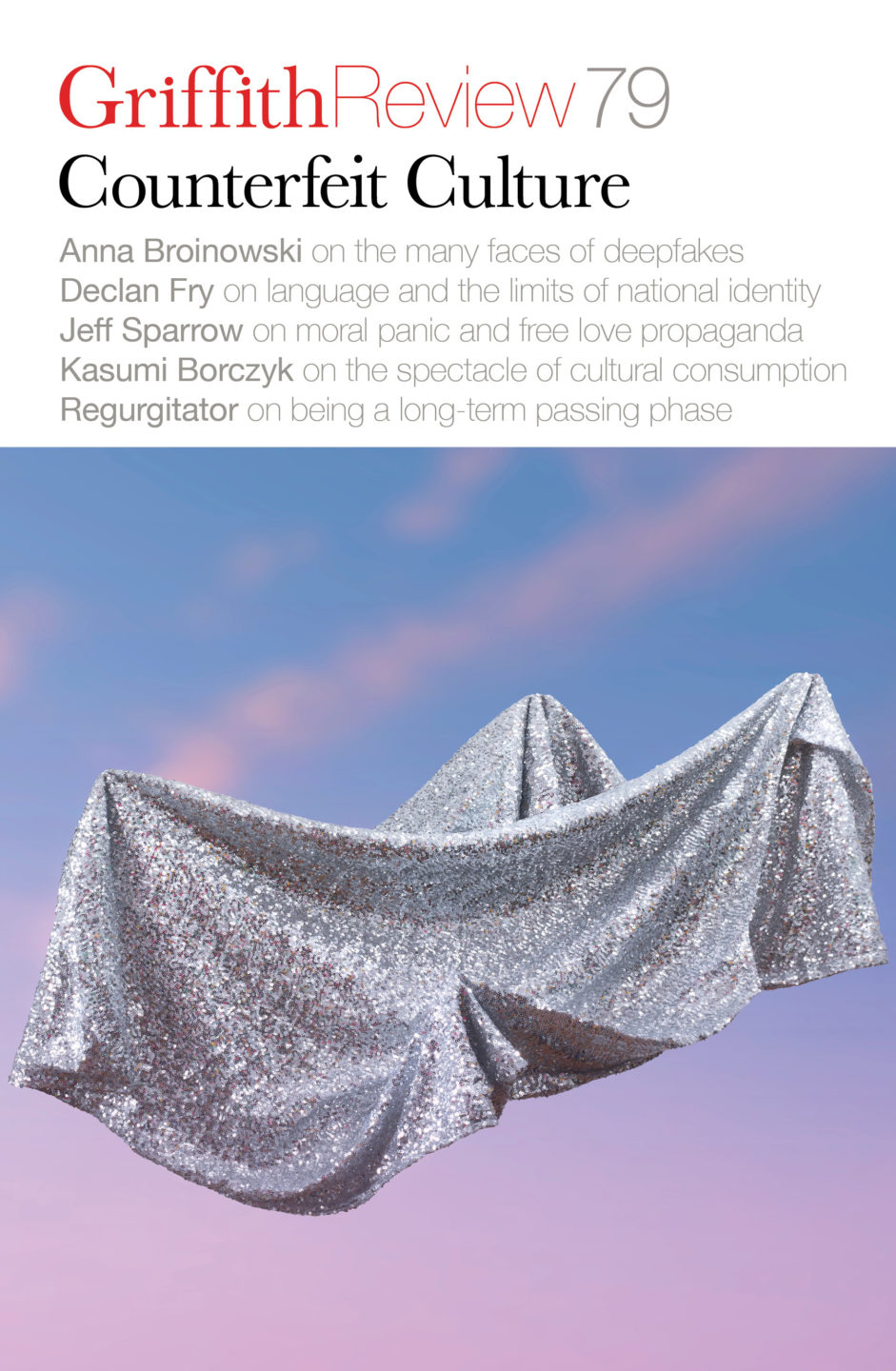
- Published 20230207
- ISBN: 978-1-922212-80-1
- Extent: 264pp
- Paperback (234 x 153mm), eBook

Already a subscriber? Sign in here
If you are an educator or student wishing to access content for study purposes please contact us at griffithreview@griffith.edu.au
Share article
About the author

Martine Kropkowski
Martine Kropkowski is a writer and HDR candidate at The University of Queensland. Her research examines folklore practice in the online space, including the...
More from this edition
Cusp
FictionWe were going to visit Patience’s supervisor Callista, a tenured senior lecturer in literature and cultural studies, though her strange, ageless grace made the word senior feel like a misnomer. I knew Patience would have chided me for this, saying it showed both my ageism and internalised misogyny, so these were among the thoughts I kept to myself.
The future is hackable
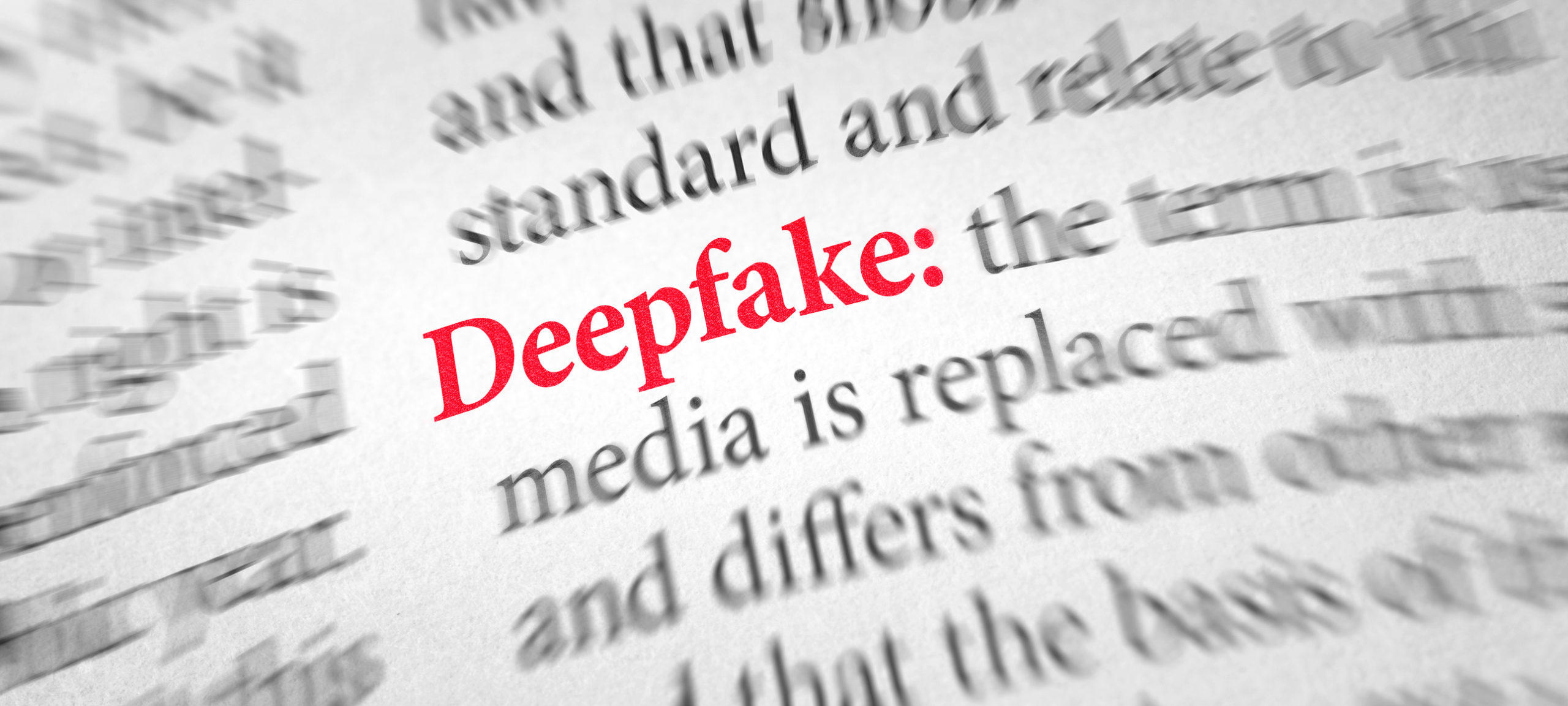
Non-fictionDeepfakes point to a future that is simultaneously euphoric and apocalyptic: philosophers have positioned them as ‘an epistemic threat to democracy’, journalists have called them ‘the place where truth goes to die’, futurists have portrayed them as the digital harbinger of a mass ‘reality apathy’ in which even video will be a lie.

Will we dance when it’s over?
Non-fictionThe stakes in our real world have reached a point so high, so close to apocalypse, that they’ve disappeared entirely. We are gripped by a nihilism and unnerving sense of unreality, and so we don’t receive the messages others are trying to send to us.
