
Featured in
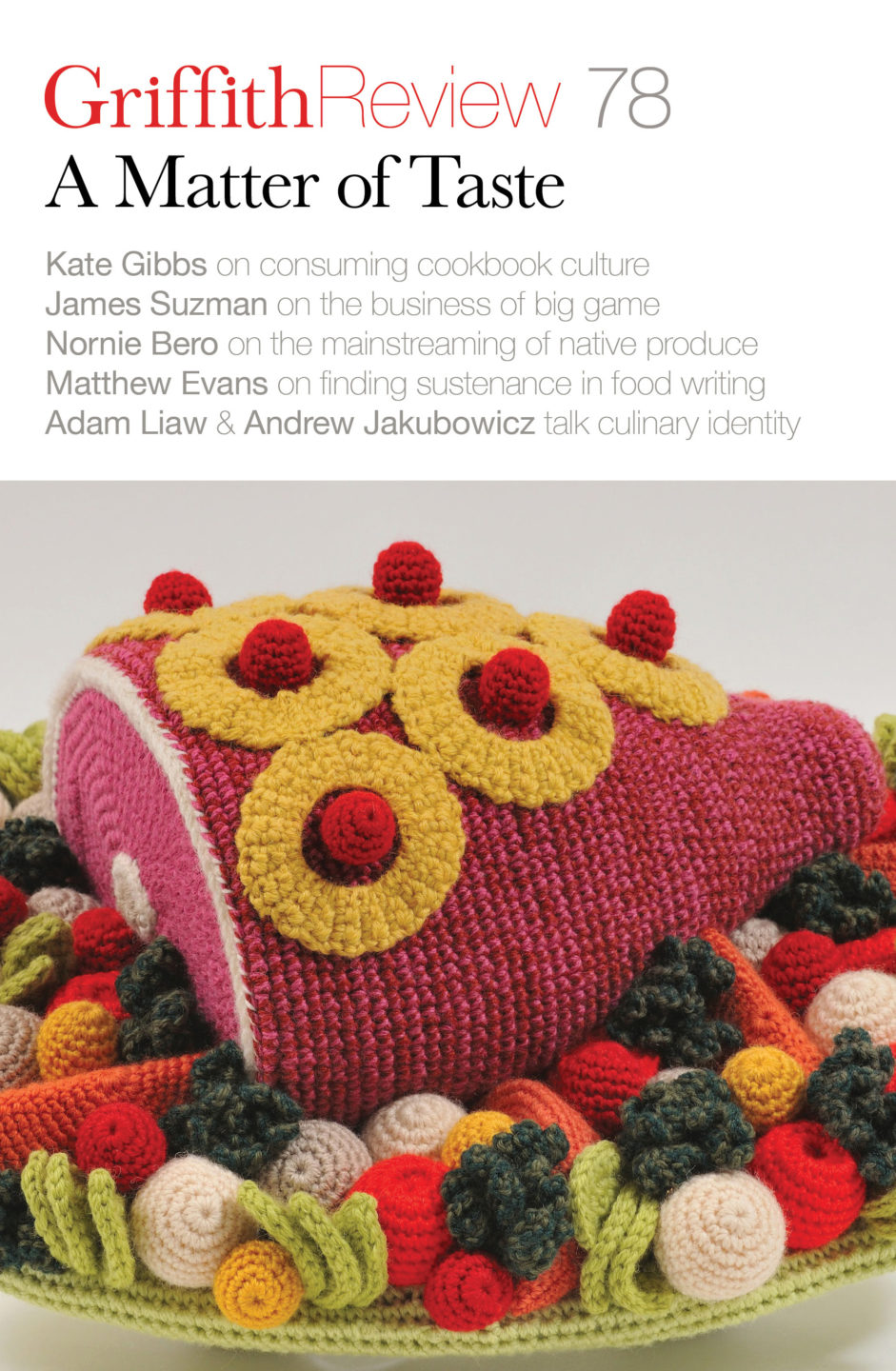
- Published 20221101
- ISBN: 978-1-922212-74-0
- Extent: 264pp
- Paperback (234 x 153mm), eBook

Already a subscriber? Sign in here
If you are an educator or student wishing to access content for study purposes please contact us at griffithreview@griffith.edu.au
Share article
More from author
The blue room
FictionMum did not tell us that Sabina had tried to kill herself. She said that she was unwell, and because she was unmarried and her children lived interstate Sabina would stay with us while she convalesced. We figured it out after she arrived; she did not appear sick, but lively and plump. Nor was there any regularity to her medical appointments. Though Phoebe was irritated that she would have to share her bathroom we found the situation morbidly glamorous, the sick woman with the elegant name whose stay would end with recovery or its opposite. So many sibilant words: suicide, convalescence, Sabina. Having no knowledge of death or any conviction we would ever die, suicide seemed tinged with romance. That Sabina lived confirmed our belief that death was not serious.
More from this edition
Eat me in the city
MemoirThe idea of having my body lovingly prepared and cooked as a feast for friends seems like a particularly beautiful death to me, and one that needs careful planning and consideration.
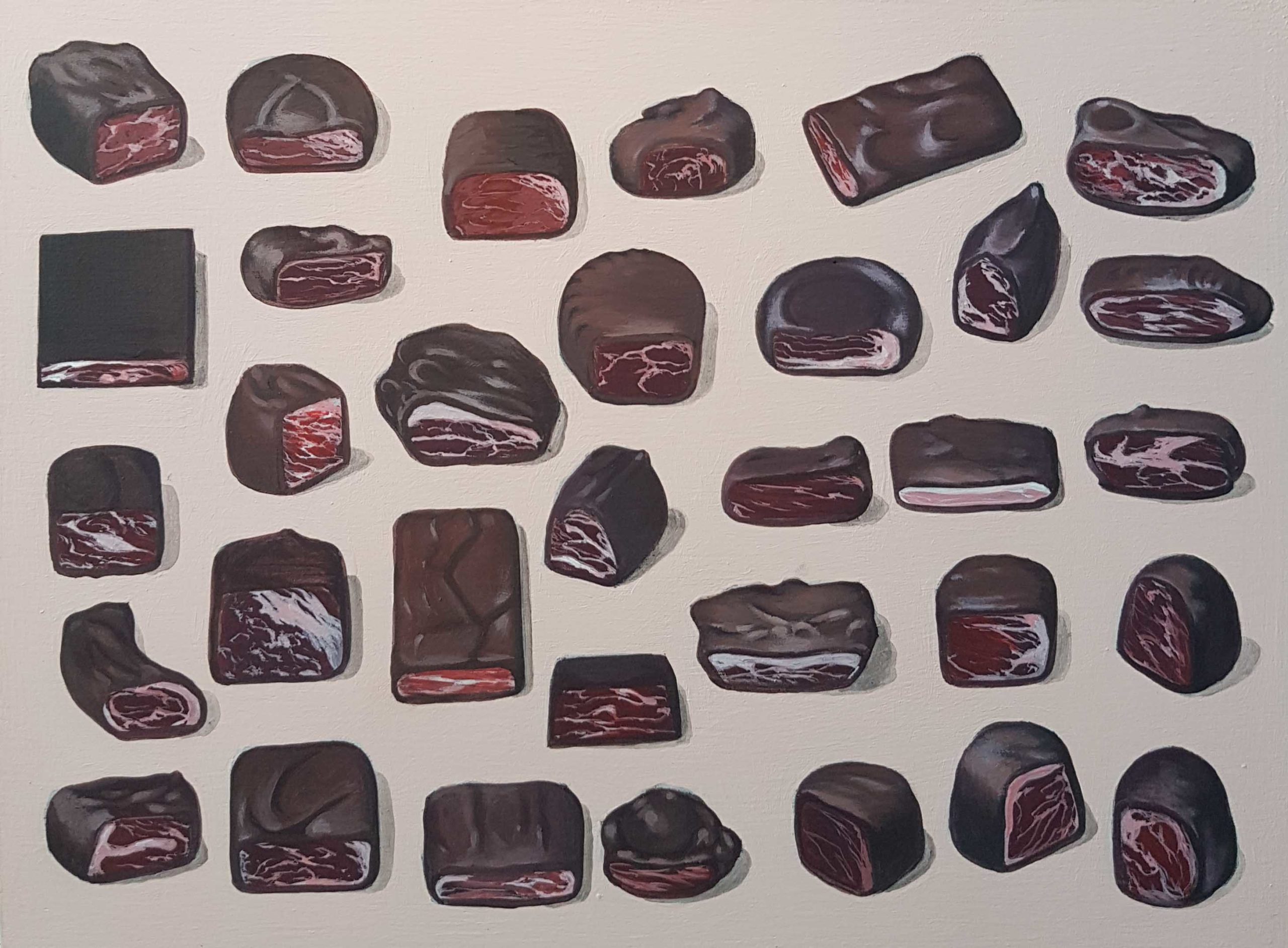
Body of work
In ConversationThe ’50s were a time of tremendous optimism and energy, yet they also had a dark underbelly. It was a time when women’s roles were diminished – they were often expected to stay home and be housewives. In the US, African Americans were living under segregation, particularly in the south, which caused significant racial tension. There will always be negative and dark aspects whenever human nature is involved. My paintings straddle a fine line between humour and horror.
Witches’ brew
EssayAnthropologist Solomon Katz proposed in the 1980s the intriguing ‘beer before bread’ theory, which suggested that early agriculturalists were driven to farming not by their wholesome desire for crusty loaves but by their lust for that other staple grain product: beer.
