
Featured in
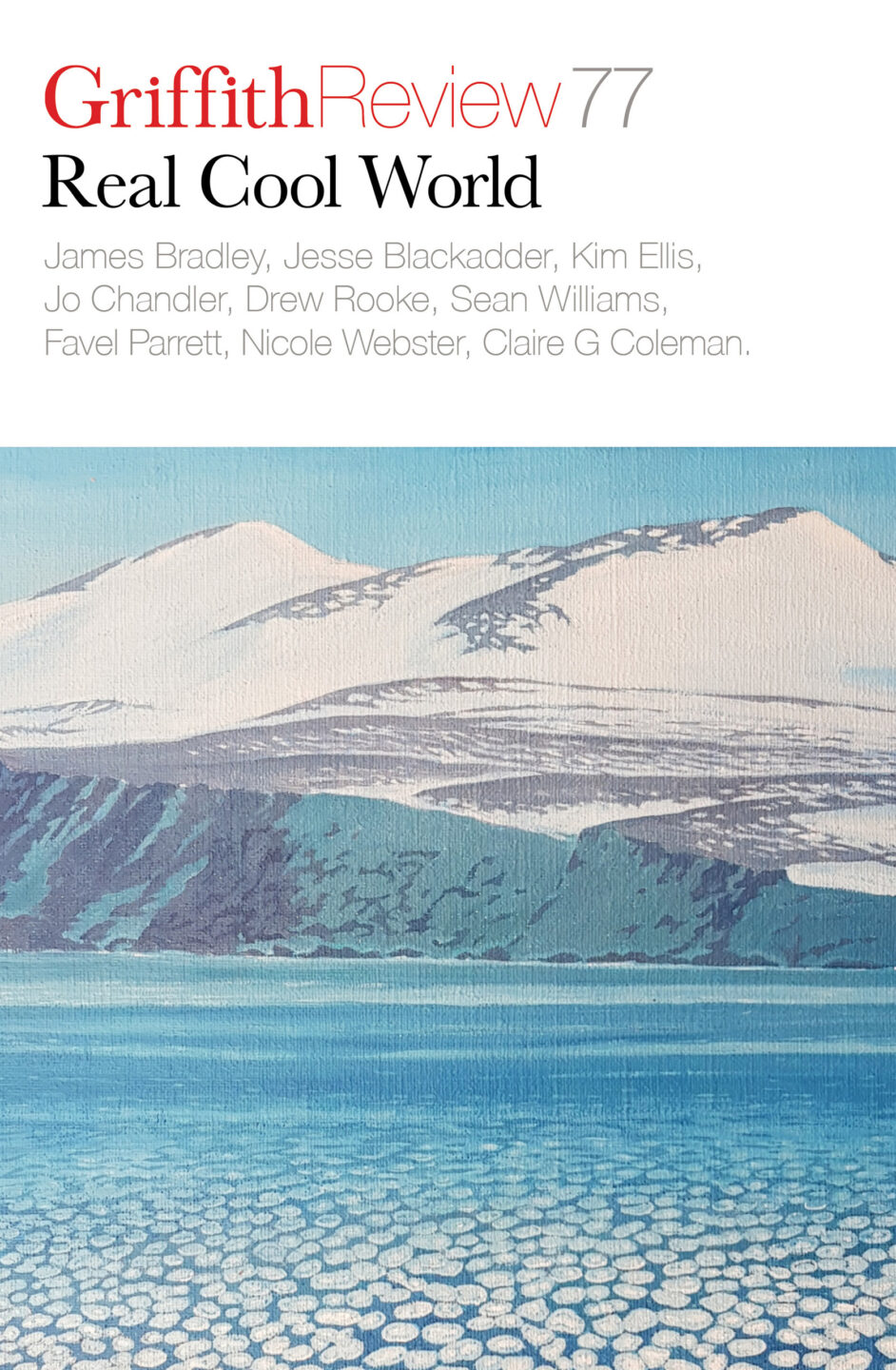
- Published 20220503
- ISBN: 978-1-922212-74-0
- Extent: 264pp
- Paperback (234 x 153mm), eBook
Already a subscriber? Sign in here
If you are an educator or student wishing to access content for study purposes please contact us at griffithreview@griffith.edu.au
Share article
About the author
Lauren Fuge
Lauren Fuge is a science writer, currently undertaking a PhD in creative writing exploring narratives of climate change. She was previously a journalist at...
More from this edition
Among ancient moss forests
Essay IT WAS FEBRUARY 2022 when I started writing this essay, and I was returning from three weeks in Antarctica. As we flew back to...
Hope sends a message
FictionI am here to get the feel of the place; to understand why they are here, at the edge of the world, keeping hope alive. I need that hope and I think I am not alone in that sentiment. That is why I was sent, why I agreed to come, why this piece is being published – unless it has been suppressed. I am displaced as much as the people here; my family have not been to our homelands for generations.
Warnings in the water
ReportageThe environmental significance of krill extends beyond their role as food. They also play a vital part in the processes that regulate the Earth’s climate.
