Among ancient moss forests

Observing twenty-five years of change

Featured in

  • Published 20220503
  • ISBN: 978-1-922212-74-0
  • Extent: 264pp
  • Paperback (234 x 153mm), eBook

IT WAS FEBRUARY 2022 when I started writing this essay, and I was returning from three weeks in Antarctica. As we flew back to Hobart I caught glimpses through the clouds of massive, glistening white, tabular icebergs suspended in semi-­transparent sea ice in the intensely blue Southern Ocean below. From the sky the bergs look tiny, but are kilometres long. We had just completed intense work monitoring the moss beds in and around Casey Station. Two flights were due to leave Wilkins Aerodrome that day – ours and a second flight, an Australian Airforce C-­17, that would bring the rest of the team and our precious cargo of samples back to Tasmania, the first step in their journey to the Janet Cosh Herbarium at the University of Wollongong. This is where the moss would be identified and added to the only set of data monitoring long-­term continental Antarctic vegetation – data that have revealed how humanity’s changes to our climate are damaging even these remote ecosystems.

This trip marked twenty-­five years since I first went to Casey. The first time was on the icebreaker Aurora Australis – eight days churning through the Southern Ocean to reach the edge of the sea ice and my first, magical helicopter ride over and around those fabulous icebergs. By air, the trip takes four hours, with the first sight of the continent often occurring as the plane emerges from the cloud and is about to land. This is a very different introduction and departure. In 1996, I had been part of the fiftieth Australian National Antarctic Research Expedition (ANARE), arriving on the first ship of that season at the end of October and departing at the end of the following January. This year I was part of the seventy-­fifth ANARE for three weeks in February. In 1996 I was a newbie to this field, seeing Antarctica through fresh eyes. This time I was leading a team of six early-­career researchers as part of the new Australian Research Council Special Research Initiative: Securing Antarctica’s Environmental Future.

Already a subscriber? Sign in here

If you are an educator or student wishing to access content for study purposes please contact us at griffithreview@griffith.edu.au

Share article

About the author
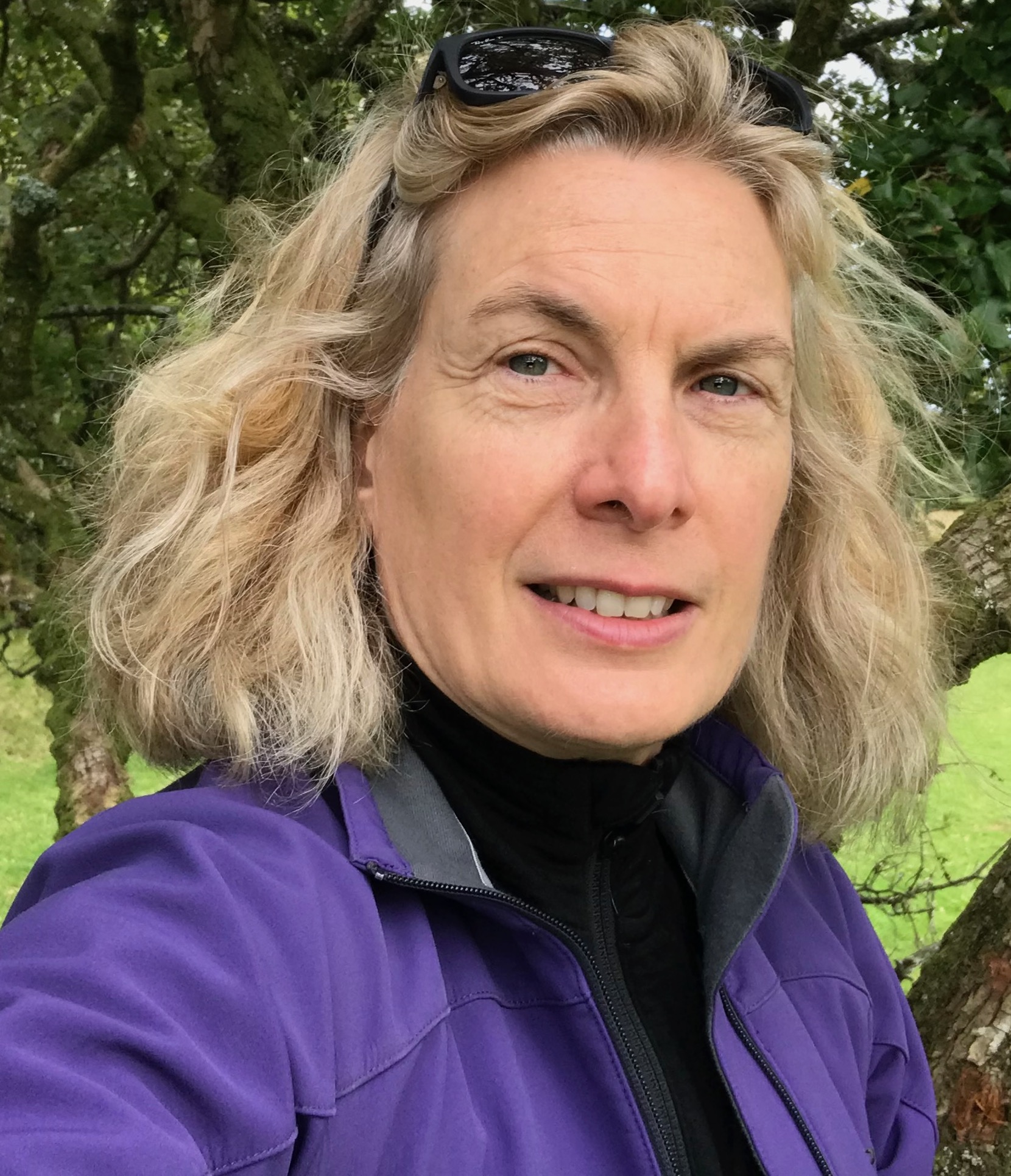
Sharon Robinson

Sharon Robinson is a Distinguished Professor in the School of Earth, Atmospheric and Life Sciences at the University of Wollongong, and deputy-­director science implementation of...

More from this edition
Hope sends a message

FictionI am here to get the feel of the place; to understand why they are here, at the edge of the world, keeping hope alive. I need that hope and I think I am not alone in that sentiment. That is why I was sent, why I agreed to come, why this piece is being published – unless it has been suppressed. I am displaced as much as the people here; my family have not been to our homelands for generations.

Understanding interconnectivity

Memoir THERE’S NO EXPERIENCE on Earth like diving under the ice in Antarctica. On life support and in an uninhabited and extreme environment, it’s as...

Stay up to date with the latest, news, articles and special offers from Griffith Review.