
Featured in
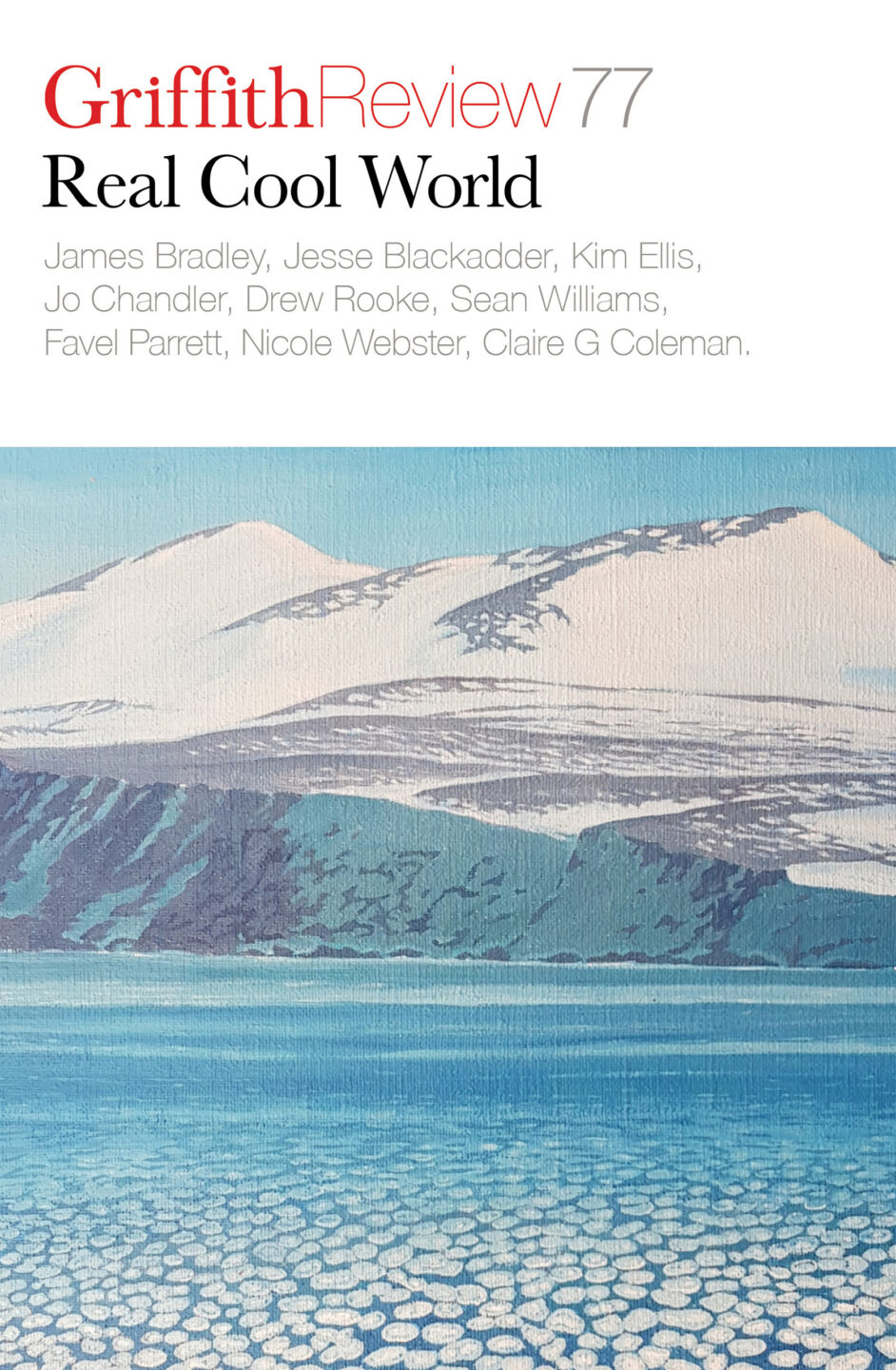
- Published 20220503
- ISBN: 978-1-922212-74-0
- Extent: 264pp
- Paperback (234 x 153mm), eBook

Already a subscriber? Sign in here
If you are an educator or student wishing to access content for study purposes please contact us at griffithreview@griffith.edu.au
Share article
About the author

Coen Hird
Coen Hird is trawlwoolway pakana connected to north-east lutruwita/trowunna. He is a researcher and teacher at the University of Queensland focused on ecology, climate-change biology...
More from this edition
Convergence
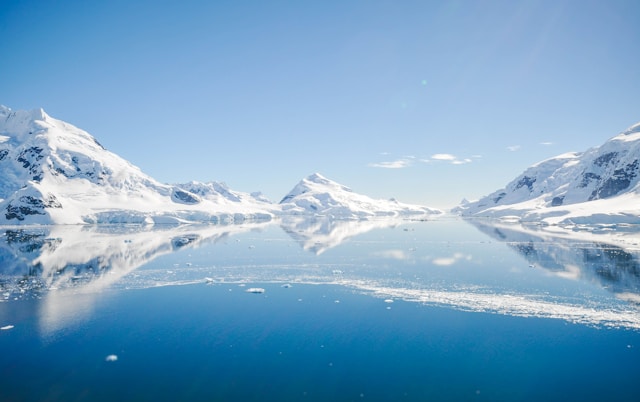
FictionThe holiday brochures talk about ‘the sound of silence’ in Antarctica. That it is an experience, elliptical and expansive. This has become a long-running joke at the base. Everyone knows that life here relies on making noise.
A subantarctic sentinel
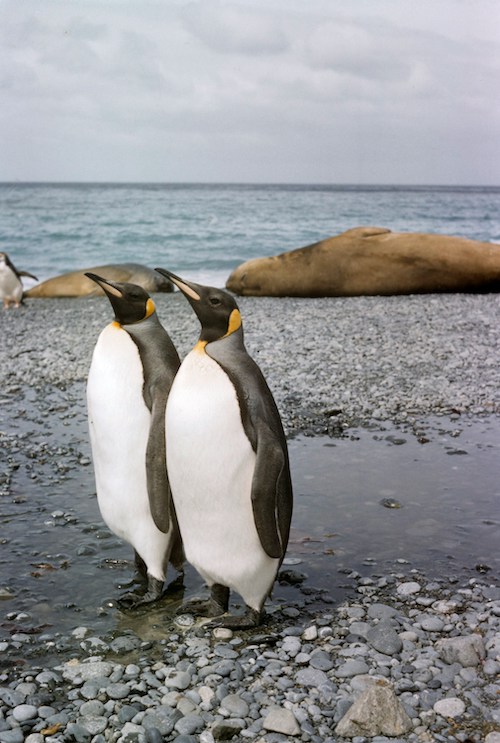
ReportageIt didn’t take long for this knowledge to spread wider – and for Macquarie Island to become an open-air slaughterhouse. By December 1810, another three Sydney-based sealing gangs were operating there and, within the first eighteen months of operation, roughly 120,000 fur seals had been killed for their fine pelts.
Warnings in the water
ReportageThe environmental significance of krill extends beyond their role as food. They also play a vital part in the processes that regulate the Earth’s climate.
