Confected outrage

What’s in a snack name?

Featured in

  • Published 20221101
  • ISBN: 978-1-922212-74-0
  • Extent: 264pp
  • Paperback (234 x 153mm), eBook

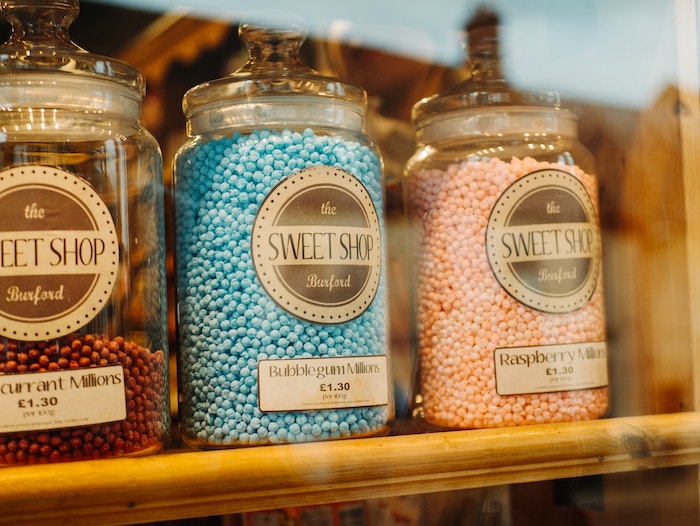
IN 2016, I attended a children’s literature conference in Wrocław, Poland, to deliver a paper to an international audience. On the first day, I heard the voices of two other Australians – our accent, to my ears, coming through flat and obvious from the auditorium seats. My paper was about lollies in children’s fiction, so of course I had brought with me bags of lollies to share with my audience and, hopefully, make my talk more appealing. Having spent four years writing about lollies, I figured my confectionery choices needed to be popular and tasty and say something about my central thesis. I’d taken ages in a Brisbane supermarket aisle, finally settling on bags of Allen’s Pineapples, Allen’s Strawberries & Creams and Allen’s Chicos: small, brown, chocolate-flavoured jubes that are shaped like babies. I was very nervous about my presentation, but I had no idea that it was this mundane act of choosing confectionery I should have worried about the most.

Picture a typical, modern tertiary classroom with a few rows of chairs facing a screen and whiteboard, and high windows looking out on to a university square. Two dozen researchers had chosen my session, called ‘Sweet objects of play: how confectionery is more than food in children’s literature’. In the case of fiction for children, I argued, the significance of lollies goes beyond food. The endurance and primacy of lollies in children’s fiction articulate a self-creation: the sweets affect the child character beyond the physical. I presented my paper and enjoyed the satisfaction that comes when your niche ideas about an unusual topic find an audience, even for twenty minutes.

Already a subscriber? Sign in here

If you are an educator or student wishing to access content for study purposes please contact us at griffithreview@griffith.edu.au

Share article

More from author
The town turns over: Audio edition

MediaListen to author Laura Elvery read aloud her short story 'The town turns over', a poignant exploration of ageing, memory and endings. This story appears...

More from this edition
The fight for the white stuff

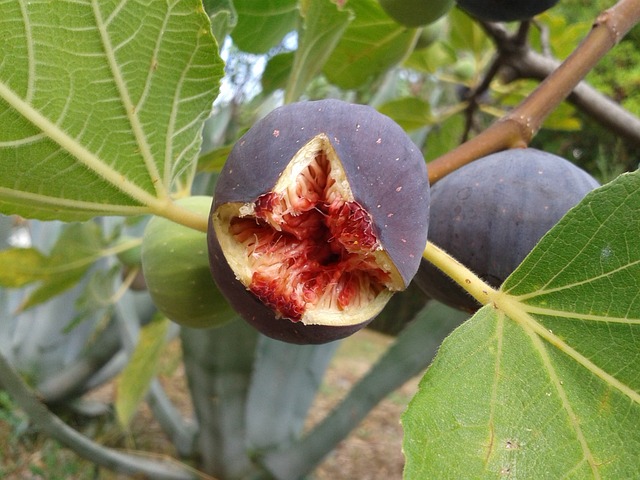
EssayAlthough non-dairy milks are hardly unique to the US, there seemed something distinctly ‘American’ about the consumerist techno-utopianism of engineered nutrition. In its seductive promises and dazzling abundance, in its massification and drive for profit, and its bold-yet-arrogant ambition, the world of plant milks became a metonym for everything I loved and loathed about US culture. Give me a carton of Blue Diamond Almond Breeze and you have given me America.

Changing palates

In ConversationWe were accidental arrivals, I think is the best way to put it. My parents were refugees from Poland. They were Jewish citizens of Poland and they basically flipped a coin and made a run for it.

Eat me in the city

MemoirThe idea of having my body lovingly prepared and cooked as a feast for friends seems like a particularly beautiful death to me, and one that needs careful planning and consideration.
Stay up to date with the latest, news, articles and special offers from Griffith Review.