
Featured in
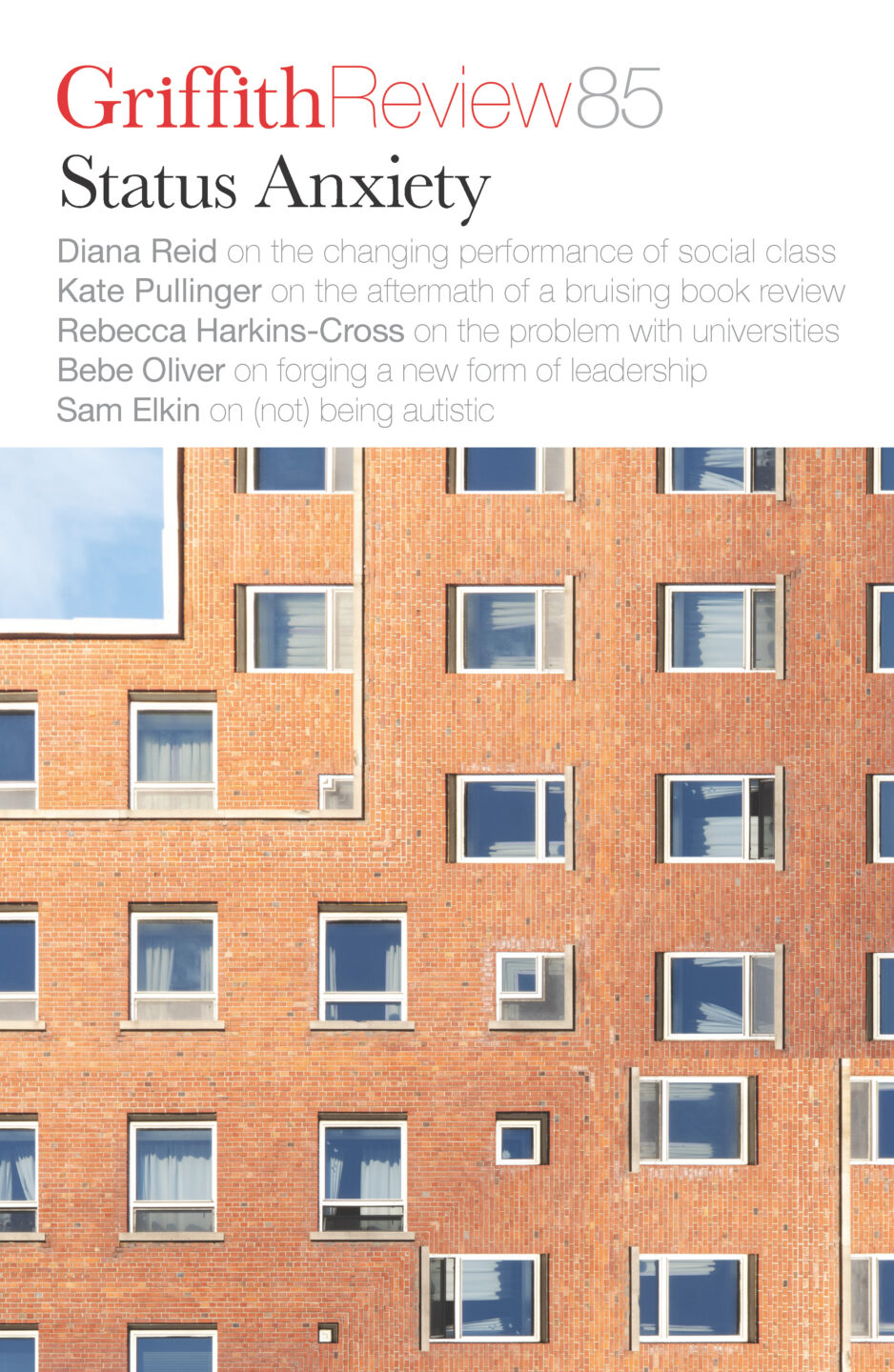
- Published 20240806
- ISBN: 978-1-922212-98-6
- Extent: 216pp
- Paperback, ePUB, PDF

Already a subscriber? Sign in here
If you are an educator or student wishing to access content for study purposes please contact us at griffithreview@griffith.edu.au
Share article
About the author

Bebe Oliver
Bebe Oliver is a descendant of the Bardi Jawi people of the Kimberley region of Western Australia and an award-winning writer, poet, illustrator, speaker and...
More from this edition
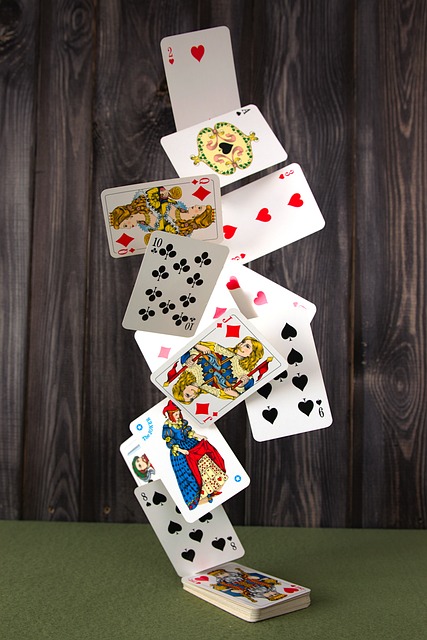
Joker in the pack
IntroductionStatus itself is a little like a riddle: a code to be cracked, a hand in which you can’t see all the cards. Unless you’re Batman, however, the stakes for solving riddles tend to be comfortingly low, whereas the pressures of deciphering status can occupy a far more consequential role in our lives (it’s all fun and games until somebody loses their cultural capital).

Habitat
PoetryIt was early. I recognised my fate in the bathroom mirror. Behind which he slept deep into the morning...

When adults are at risk
Non-fictionOne significant subset of our modern adult-safeguarding environment is elder abuse, which we know is a significant and under-reported problem. In 2021 the Australian Institute of Family Studies released the results from the first-ever broad survey of elder-abuse prevalence in Australia. This showed that 14.8 per cent of adults aged sixty-five and over had suffered abuse in the previous twelve months. Importantly, only a little more than one third of people who experienced abuse sought help.
