
Put your house in order
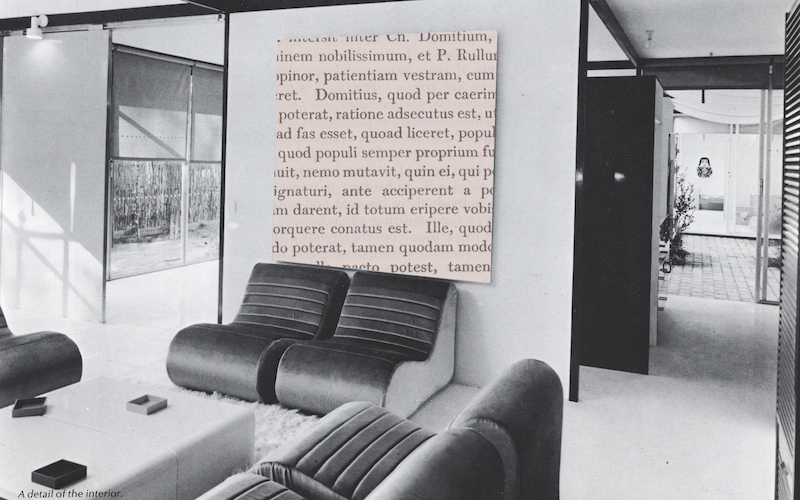
Possession, assembly and the art of collage
Featured in
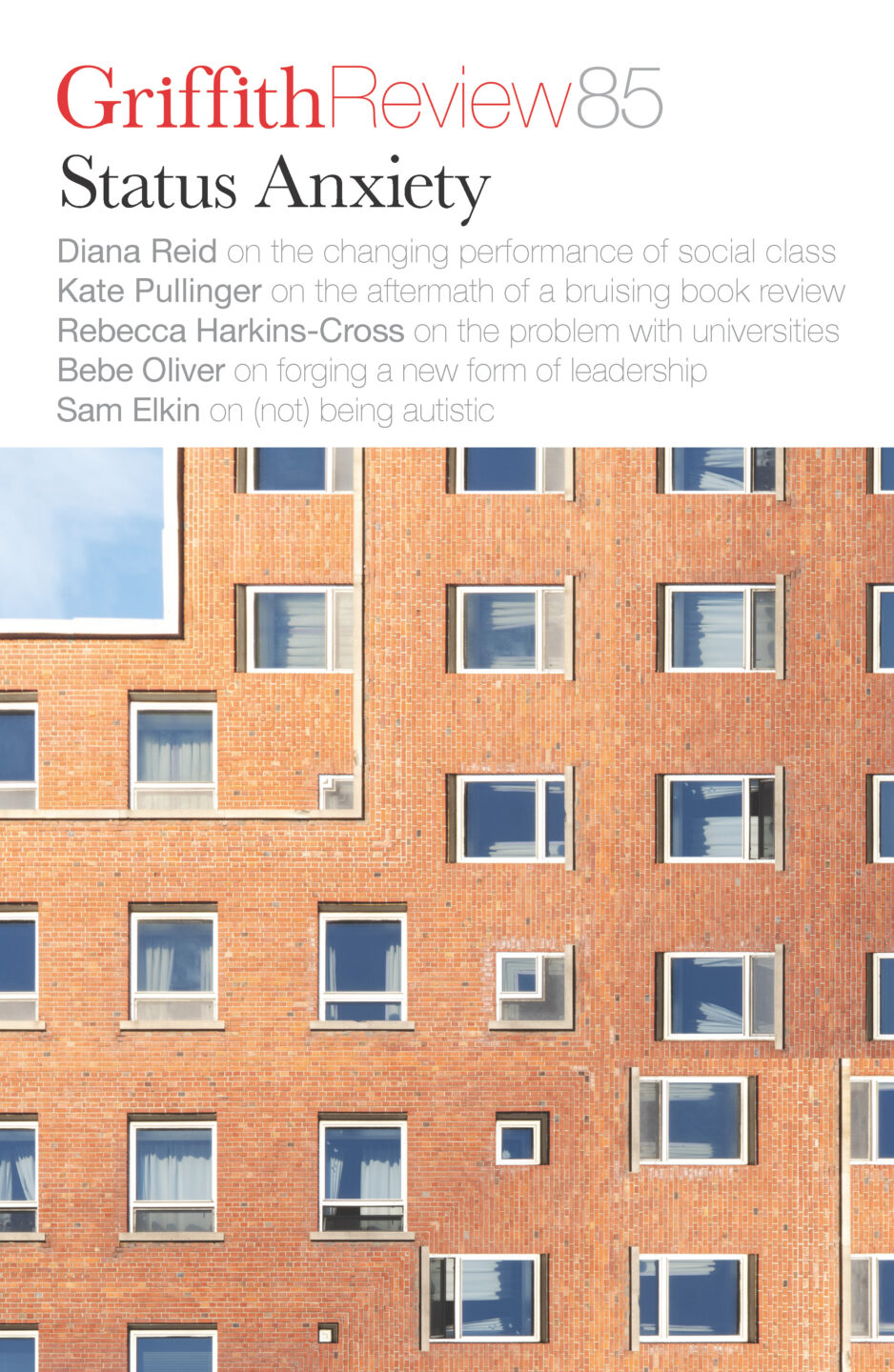
- Published 20240806
- ISBN: 978-1-922212-98-6
- Extent: 216pp
- Paperback, ePUB, PDF
Already a subscriber? Sign in here
If you are an educator or student wishing to access content for study purposes please contact us at griffithreview@griffith.edu.au
Share article
About the author
Pascalle Burton
Pascalle Burton is a Meanjin-based experimental poet and performer with an interest in conceptual art and cultural theory. Her collection About the Author Is...
More from this edition
The inspirations of radical nostalgia
Non-fictionEnvironmentalism, like history, is a civic discourse that critically engages with change in the world, contemplates the nature of limits and challenges ahistorical self-absorption. Like all good historians, environmentalists create recognition that the structures and conditions of today are not natural, inevitable or preordained but thoroughly contingent. The study of history and ecologically motivated advocacy also both demand reasoned scepticism towards the ideological claims of the powerful.

Habitat
PoetryIt was early. I recognised my fate in the bathroom mirror. Behind which he slept deep into the morning...
Drowning in a puddle
Non-fictionThe thought of being accepted is terrifying when you’re so used to not being accepted. You expect the worst because the worst is what you’ve become accustomed to. The people in that meet-up group will become your closest friends for the next year. You’ll come to understand that they worry about the same silly little things you do. But those silly little things aren’t so silly and they’re not so little. We just designate them as such because that’s how we’ve been taught by some of the people around us – who expect us to behave in the exact same way they do. But life just doesn’t work like that. Different experiences create different strengths and weaknesses in all of us.
