
Featured in

- Published 20240507
- ISBN: 978-1-922212-95-5
- Extent: 203pp
- Paperback, ePub, PDF, Kindle compatible


Already a subscriber? Sign in here
If you are an educator or student wishing to access content for study purposes please contact us at griffithreview@griffith.edu.au
Share article
More from author
Revolutionary wave
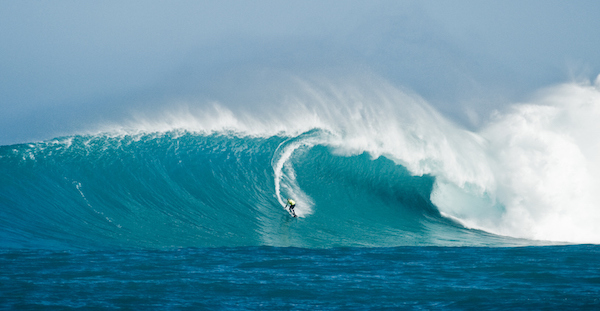
Non-fictionThis was the late ’60s, early ’70s and surfing in Wales was regarded by the parent generation as delinquency. It was for losers, layabouts, rogue males. In those early days Welsh surfers numbered around one hundred, congregated on half a dozen beaches down fifteen miles of coastline west of Swansea, known as the Gower. I knew each one of those surfers by the styles they deployed on the waves. So idiosyncratic was early Welsh surfing that out on the road if you saw a car with boards on the roof coming at you, both drivers would pull over for a chat.
More from this edition
It’s only natural
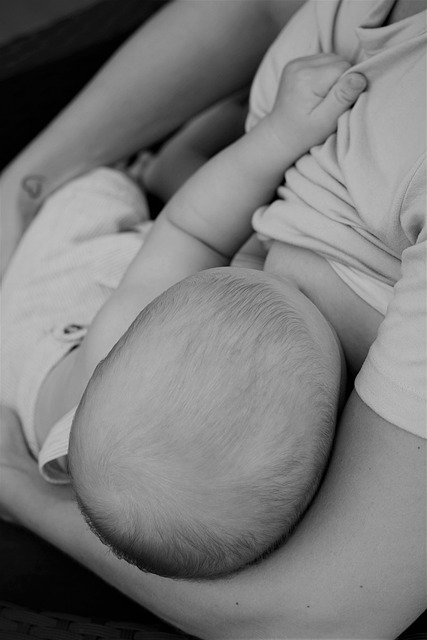
Non-fictionI often feel that we have landed in the worst of all possible worlds for women when it comes to breastfeeding. We are subject to an ideology that argues for its singular efficacy in generating infant attachment to the mother, making an inviolable and exclusive bond. We are also expected to breastfeed to repudiate the maternal industrial complex that fills our supermarkets with formula in shiny tins.

Survey
FictionBut I have long lost my personal thread to this place, I realise, and thinking of this loss I almost feel mournful for a former life I see now as though in the third person, a life belonging to an altogether different man. Perhaps it is for the best that those old threads are cut, for it means I am free of them.

Reluctant farewell to a trusted companion
Non-fiction‘We have the same stroller,’ a woman in the line said to me. I turned and there she was, my first friend. A New York mother of two with her stroller. The same stroller! In black.
