
Featured in
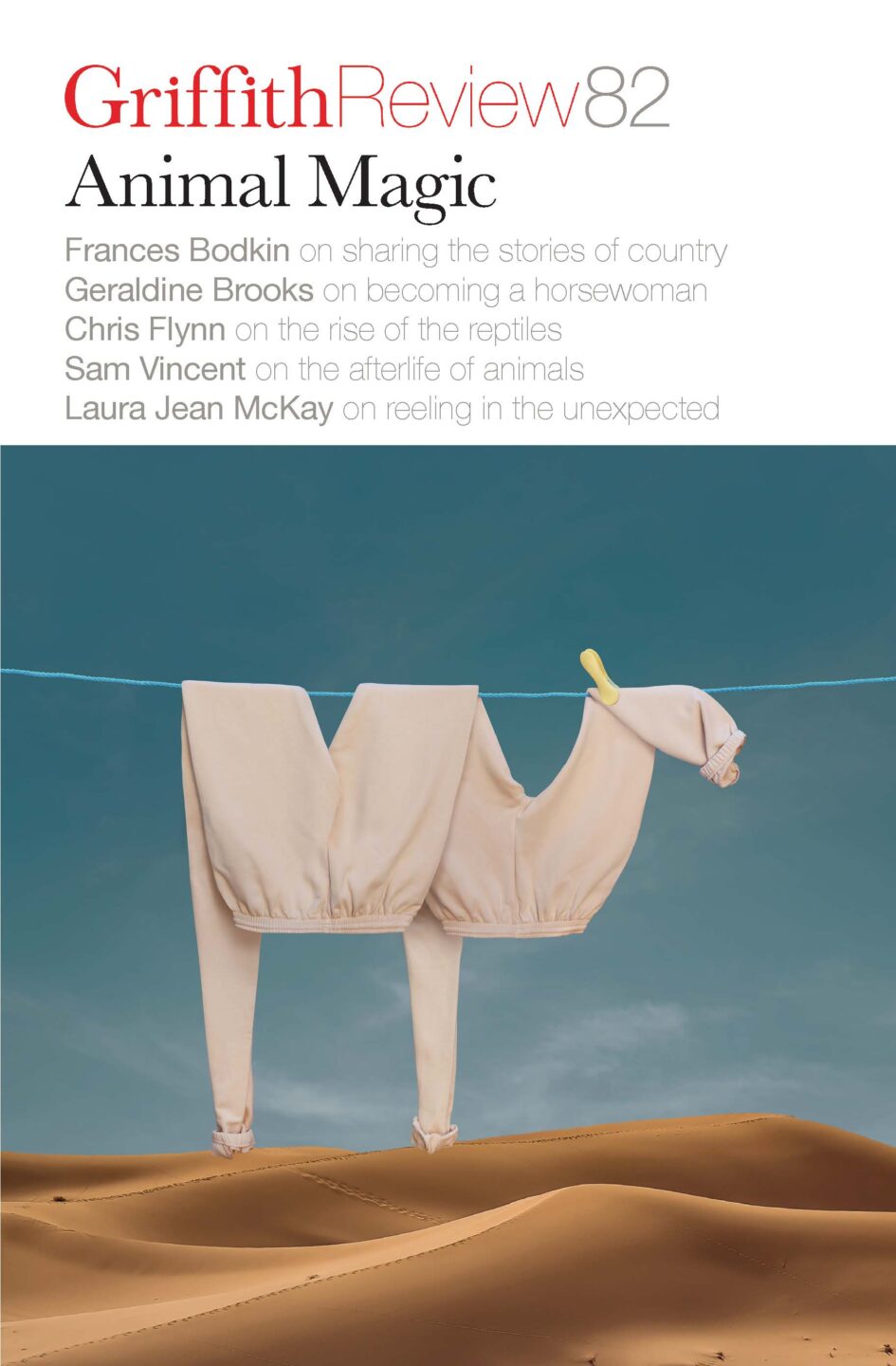
- Published 20231107
- ISBN: 978-1-922212-89-4
- Extent: 208pp
- Paperback, ePub, PDF, Kindle compatible

Already a subscriber? Sign in here
If you are an educator or student wishing to access content for study purposes please contact us at griffithreview@griffith.edu.au
Share article
About the author

Elizabeth Tan
Elizabeth Tan is the author of the novel-in-stories Rubik (Brio, 2017) and the short-story collection Smart Ovens for Lonely People (Brio, 2020). She lives...
More from this edition
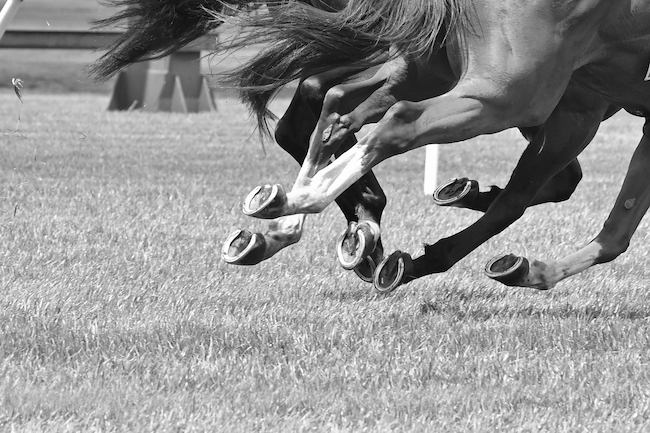
A life with horses
In ConversationIn 2011, I was invited to a writers’ retreat in Santa Fe. It was held on a lovely old ranch with beautiful horses – Western Paints, Appaloosas – and one of the wranglers noticed me admiring them and invited me on a trail ride. It was an ecstatic experience.
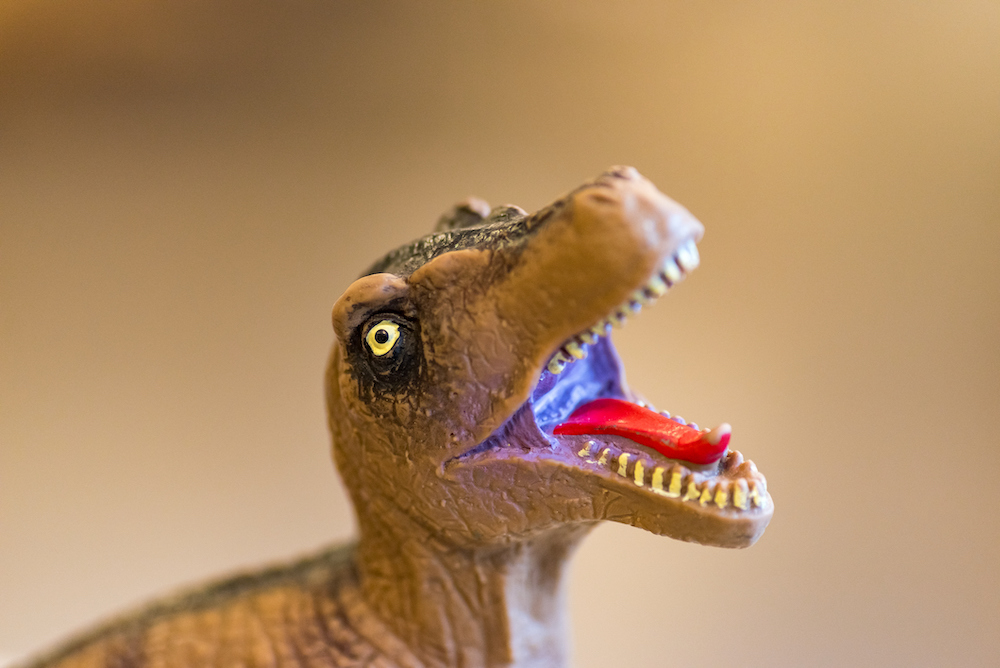
Rise of the reptiles
Non-fictionIn tandem with these plans to cultivate meat in laboratories, bioscience companies in Europe, North America, South Korea and China are currently working to resurrect living, breathing examples of the woolly mammoth, thylacine and dodo. While this may seem foolhardy, the intention is to restore nature’s balance by rewilding animal habitats and damaged ecosystems.
Smoking hot bodies
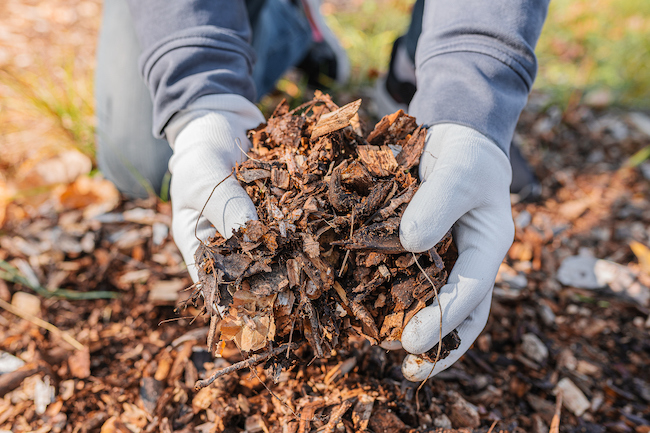
Non-fictionSince 2013, South Korea has mandated the use of compost bins for uneaten food and the country now recycles an estimated 95 per cent of its food waste. Similar schemes exist in Europe and North America, and in June, Nevada became the seventh American state – after Washington, Colorado, Oregon, Vermont, California and New York – to legalise human composting. Known as ‘terramation’ or ‘natural organic reduction’, the process entails a certified undertaker placing the cadaver beneath woodchips, lucerne and straw in a reusable box, where, with the controlled addition of heat and oxygen, it decomposes within eight weeks.
