
Featured in
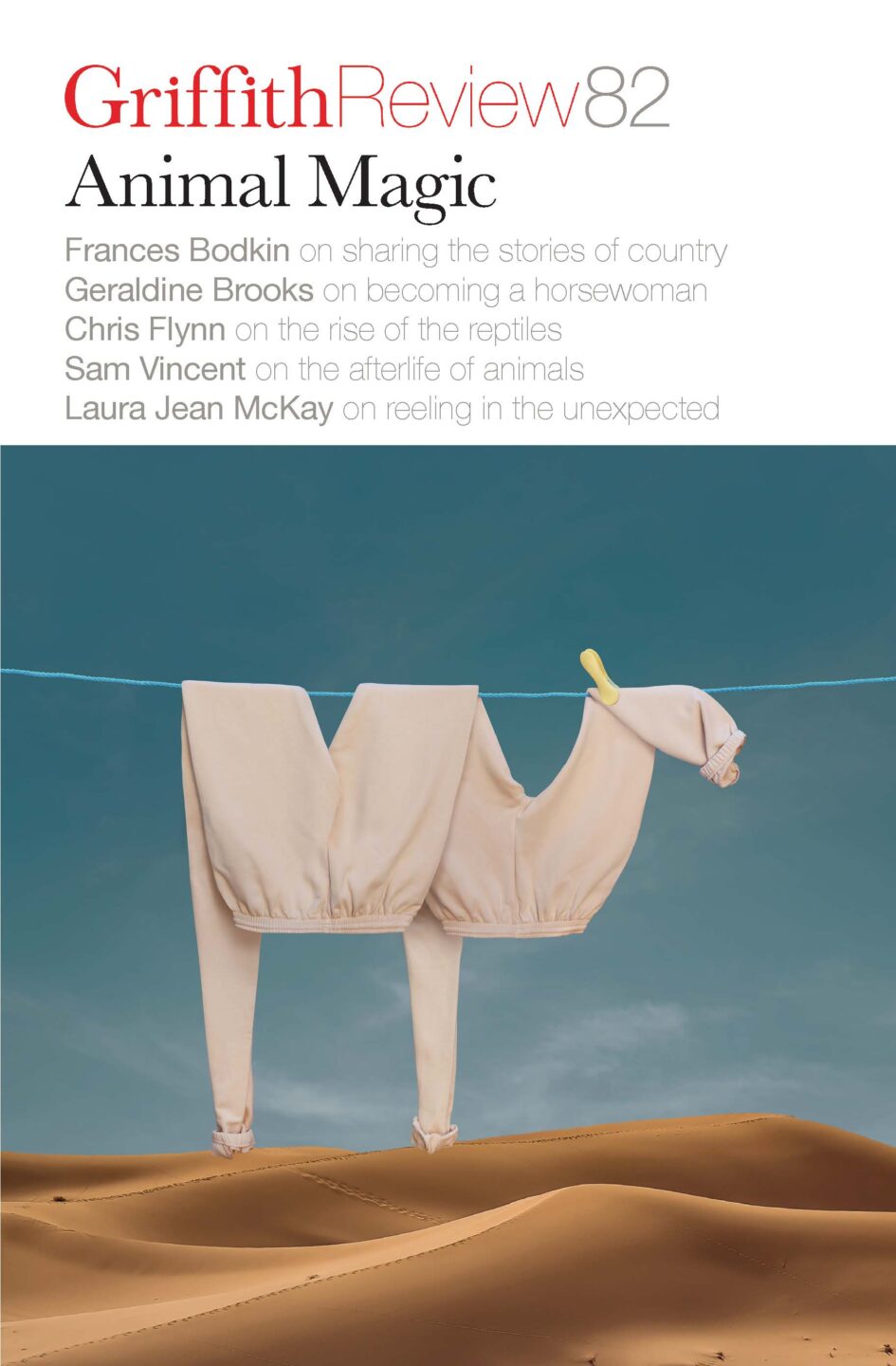
- Published 20231107
- ISBN: 978-1-922212-89-4
- Extent: 208pp
- Paperback, ePub, PDF, Kindle compatible

Already a subscriber? Sign in here
If you are an educator or student wishing to access content for study purposes please contact us at griffithreview@griffith.edu.au
Share article
More from author

Upping the ante
Non-fictionAs it turned out, Centrebet’s move online – coupled with the many other betting innovations it pioneered – led exactly to where Daffy hoped it would: a prodigious pot of gold. He says the company went from taking ‘fifty or sixty bets in one day’ to taking ‘five or 600,000 bets on a Saturday night from all over the world’. By the turn of the millennium, its annual turnover was in excess of $100 million and it had become – in the words of Piers Morgan, its then general manager – ‘one of the leading sports betting organisations in Australia, if not the world’.
More from this edition
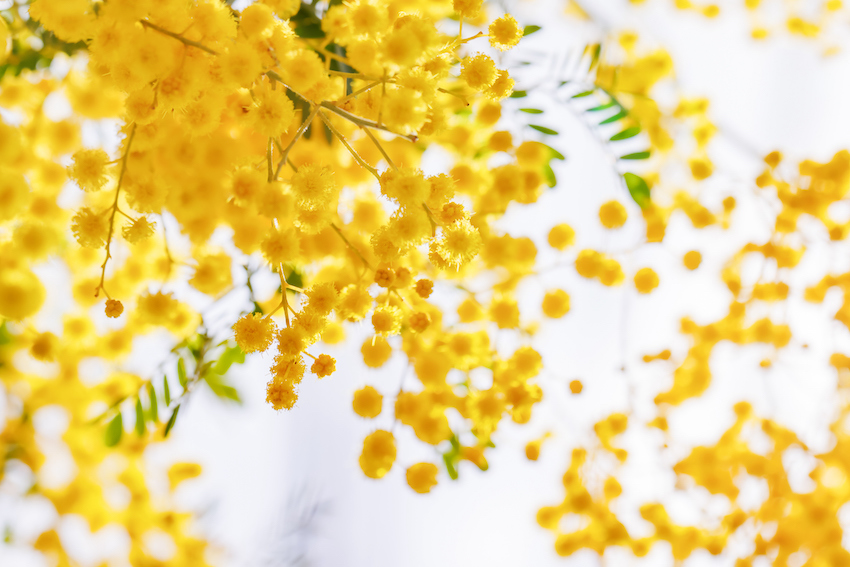
Seeding knowledge
In ConversationThere’s so much we can learn from the plants, even the little annual plants, and we don’t take notice of them. Gymea lily flowers can tell you when the whales are coming. One of the things I’ve investigated is why the ants can tell the weather – I carried out an experiment when I was at Macquarie University, and what I found was that if the groundwater level rises, you can expect rain, and the ants will pick this up.
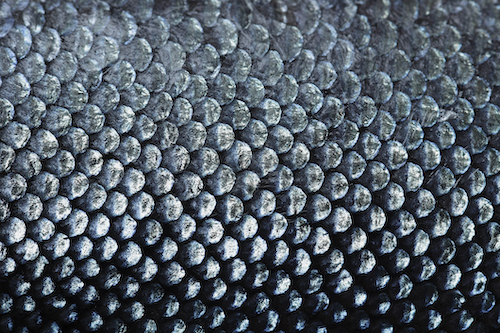
Fish
FictionHe hasn’t caught one in twelve years or more, not since just before Ritchie – Hayley’s oldest – was born. The deboning alone can take half a morning and you have to strip that tail to its cartilage very carefully because there’s a layer of green resin, bitter. In small doses it ruins the meat; poisonous if you eat too much.

Dog people
Non-fictionWe’re social animals, humans – from the wiring of our brains to the shape of our societies. If recent pandemic lockdowns taught us one thing, it’s that we need to be physically close to each other, to socialise not just as avatars or gigabits but as live, warm, fallible bodies. Our dogs knew this ages ago.
