
Featured in
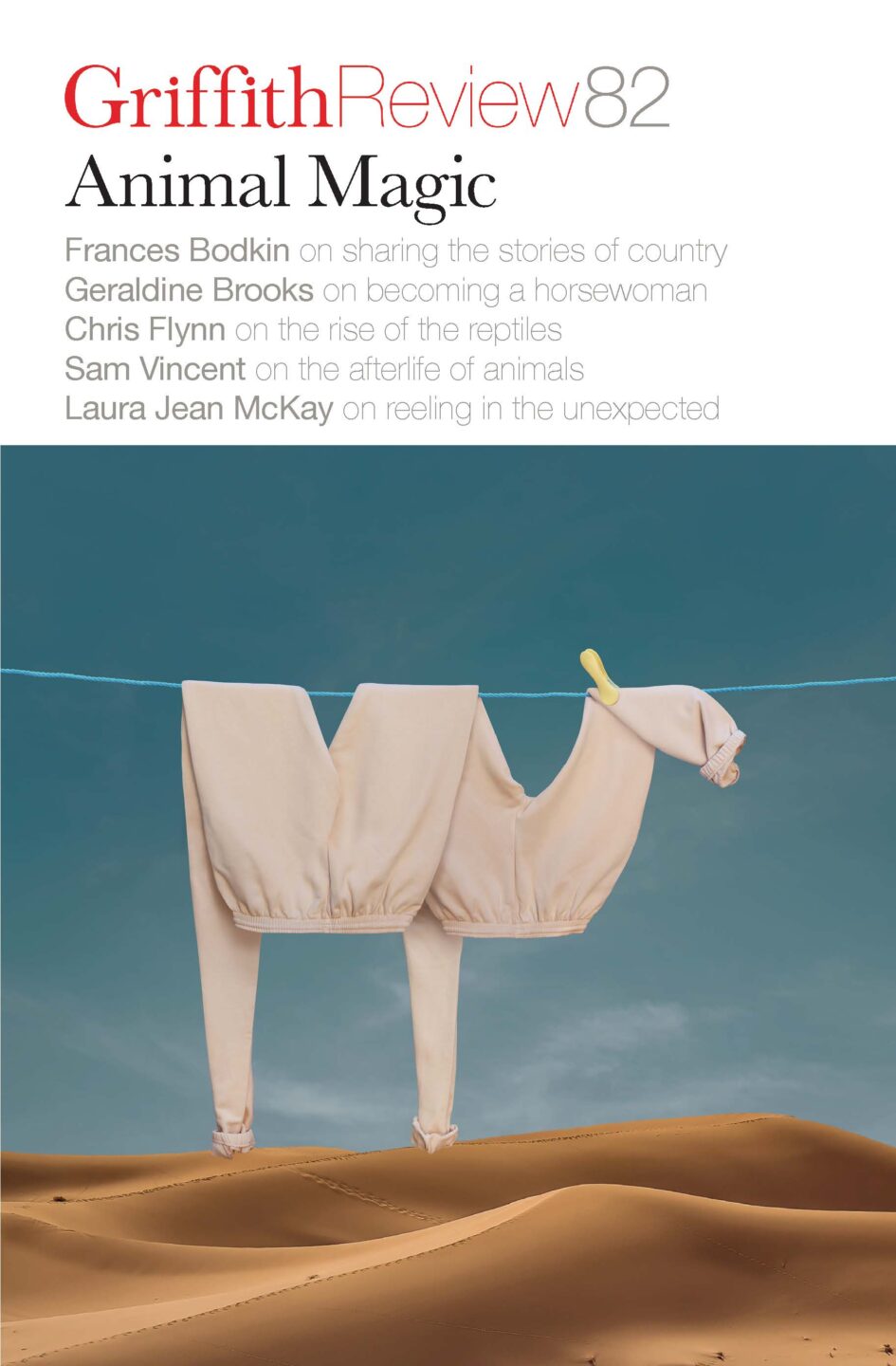
- Published 20231107
- ISBN: 978-1-922212-89-4
- Extent: 208pp
- Paperback, ePub, PDF, Kindle compatible

Already a subscriber? Sign in here
If you are an educator or student wishing to access content for study purposes please contact us at griffithreview@griffith.edu.au
Share article
More from author
Animal perspective
In ConversationERIN HORTLE: In Tasmania, there is a place where female octopuses emerge from the water and make their way across an isthmus, with a...
More from this edition
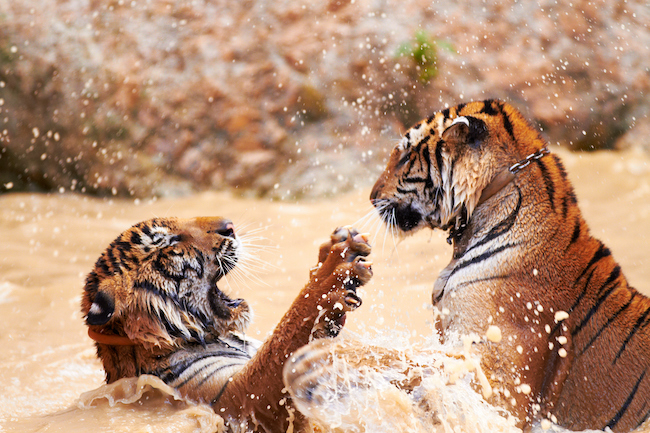
The tiger and the unicorn
Non-fictionTigers are as concrete a metaphor as any man could wish: ferocious, territorial loners requiring vast landscape and huge quantities of prey. Henry had named his firm in the spirit of the money making he set out to do: an apex hedge fund, stalking longs and pouncing on shorts, untethered to the groupthink of a pack.

Seeding knowledge
In ConversationThere’s so much we can learn from the plants, even the little annual plants, and we don’t take notice of them. Gymea lily flowers can tell you when the whales are coming. One of the things I’ve investigated is why the ants can tell the weather – I carried out an experiment when I was at Macquarie University, and what I found was that if the groundwater level rises, you can expect rain, and the ants will pick this up.
As dead as
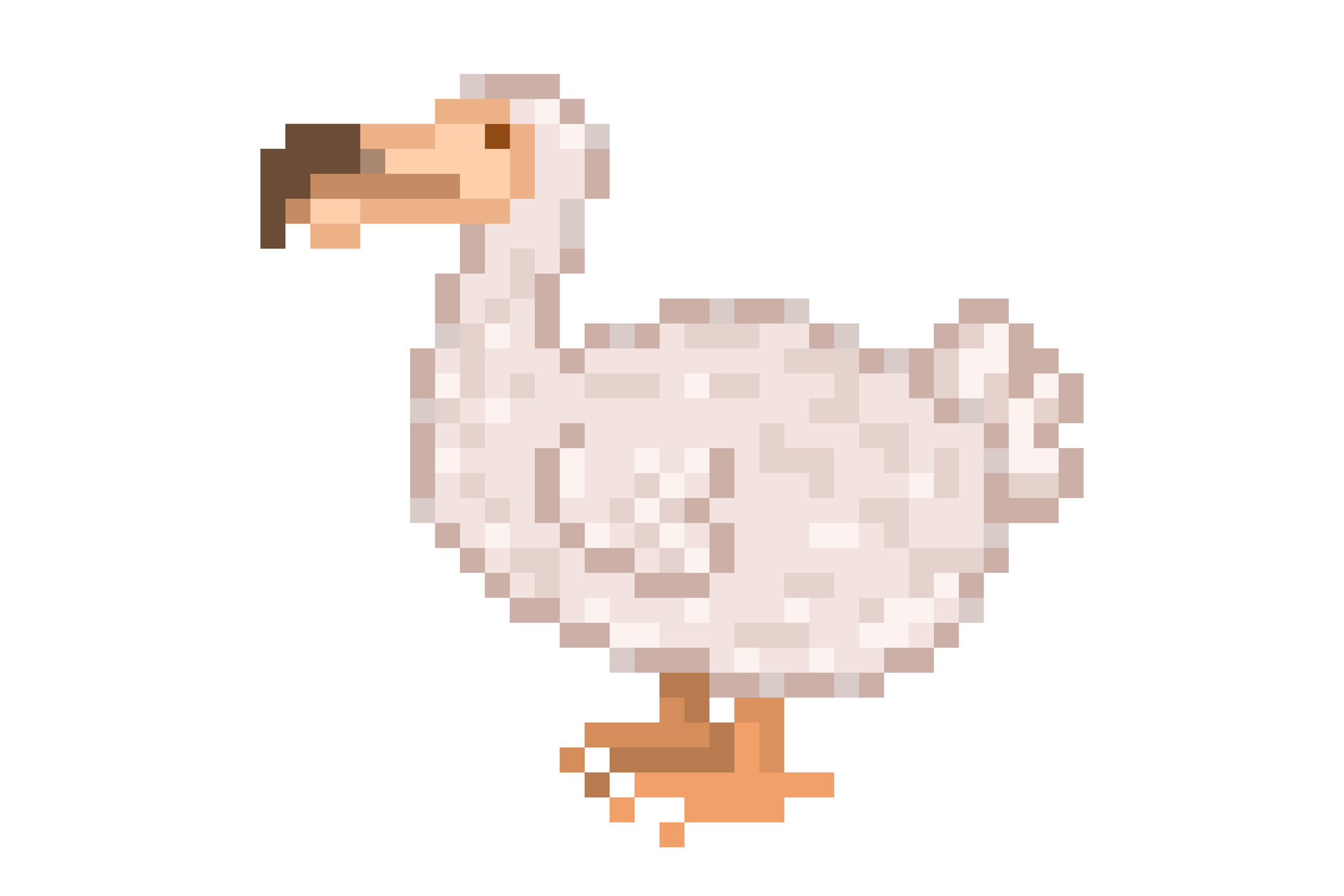
Non-fictionAs a Mauritian person, I’ve always known about dodos. I first heard about them from my dad’s family. The dodo was only ever found in Mauritius, and I naively believed that everyone knew that. But when I was relaying my experience of listening to the podcast to a group of friends, they were surprised to hear that the dodo was Mauritian.
