
Featured in
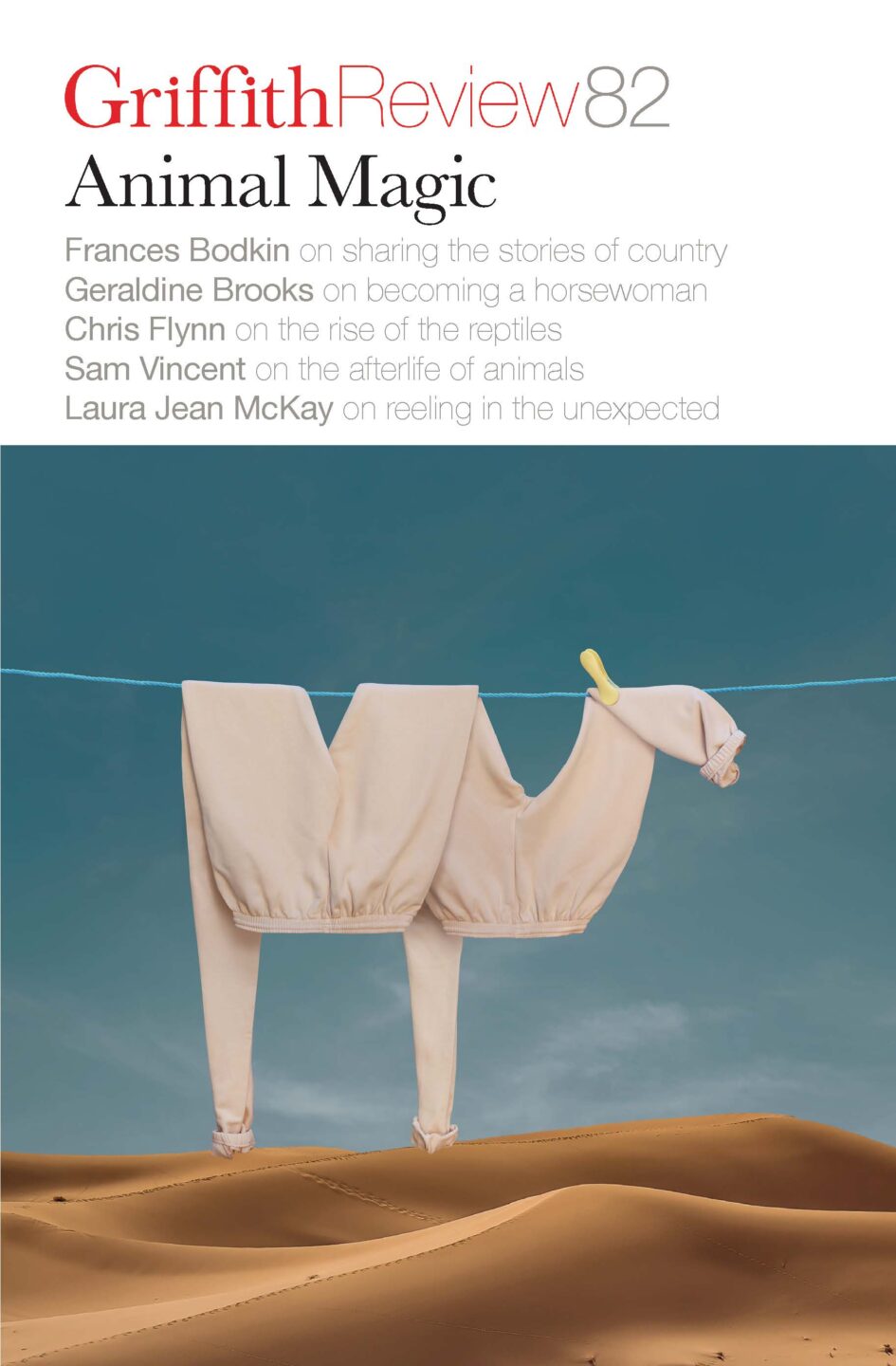
- Published 20231107
- ISBN: 978-1-922212-89-4
- Extent: 208pp
- Paperback, ePub, PDF, Kindle compatible
Already a subscriber? Sign in here
If you are an educator or student wishing to access content for study purposes please contact us at griffithreview@griffith.edu.au
Share article
About the author
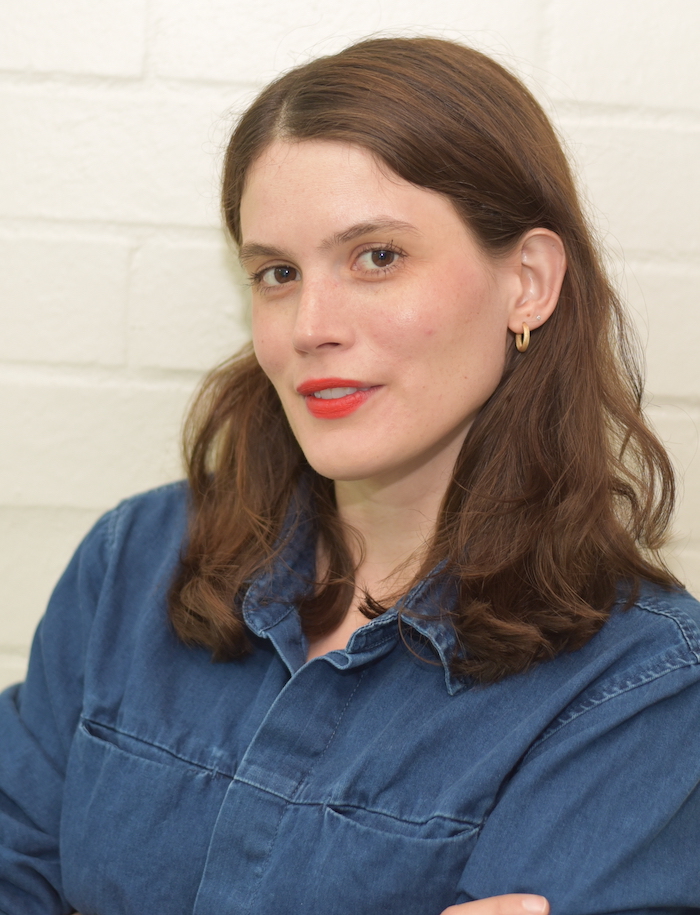
Fred Hill
Fred Hill was born in New York City and now lives on Cammeraygal land in Sydney. She has worked across several climate and environmental...
More from this edition
Dog people
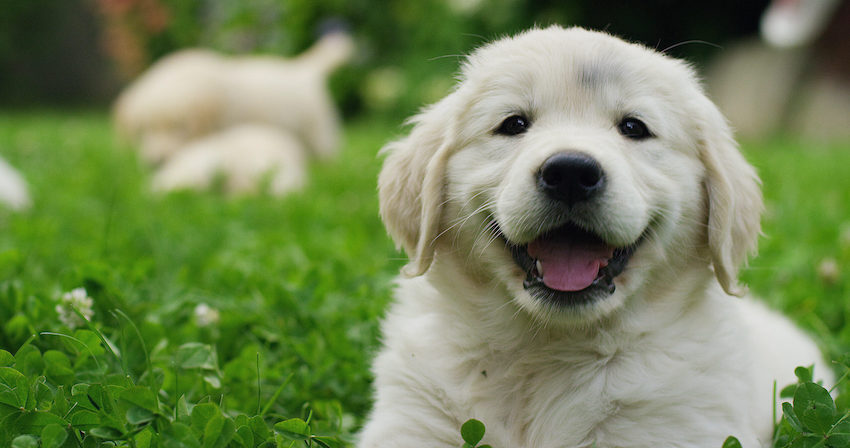
Non-fictionWe’re social animals, humans – from the wiring of our brains to the shape of our societies. If recent pandemic lockdowns taught us one thing, it’s that we need to be physically close to each other, to socialise not just as avatars or gigabits but as live, warm, fallible bodies. Our dogs knew this ages ago.
Before I forget again
Poetry I am a ceramic horse in kintsugi fields. Shards shred my tongue to gold rivers. Cracked and crazed – from fire gallops beast. Memory slips lapis lazuli. I break curses, gather spells. Nudge fresh letters in water troughs – watch words bob – shiny new apples to crunch.
A new animal
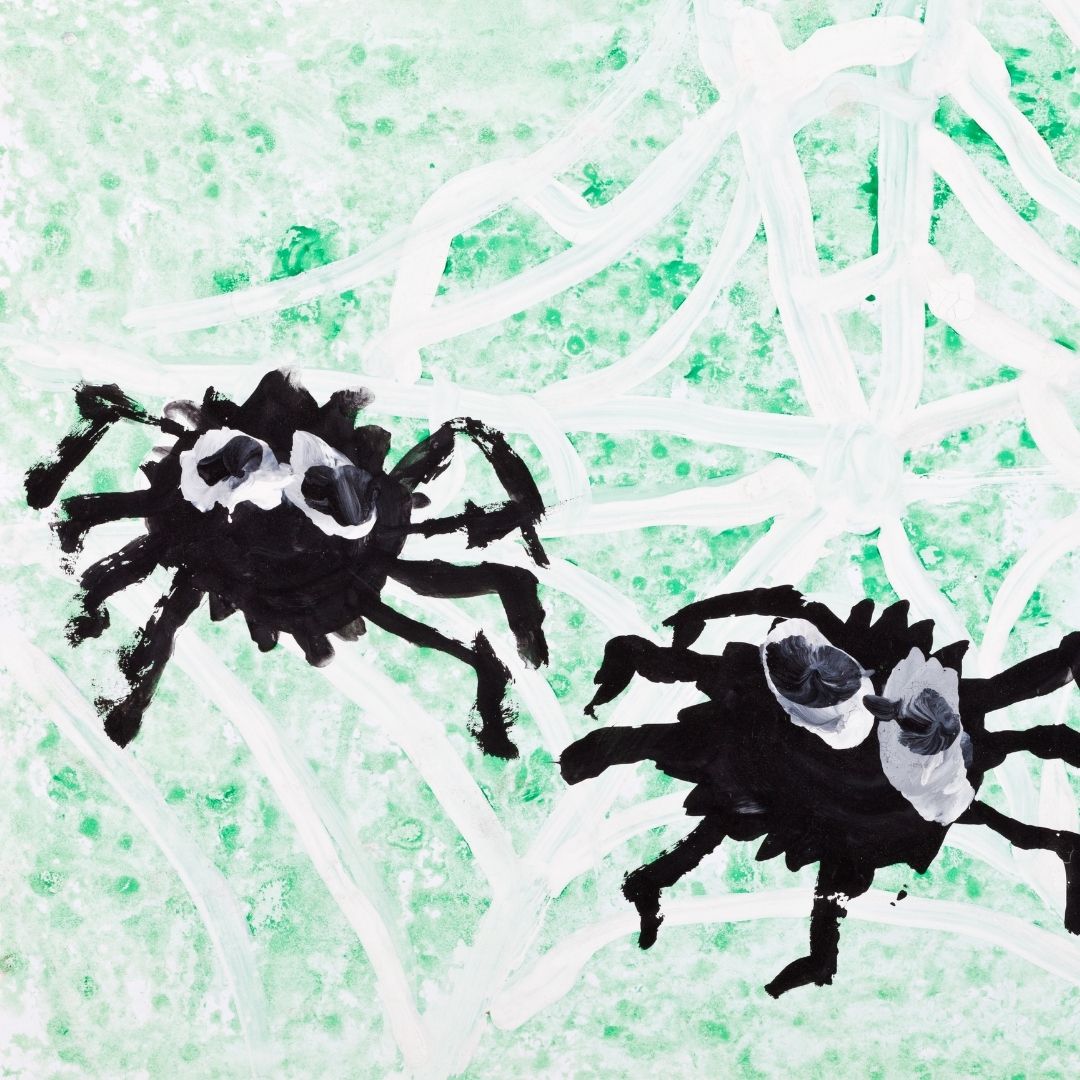
Poetry My son has made friends with the daddy-long-legs under the kitchen bench. Each morning I am freshly summoned to ‘um ook at em.’ Come look at him. The body: a dot of...
