
The geography of respect
Rock climbers, Traditional Owners and reconciling ways of seeing
Featured in
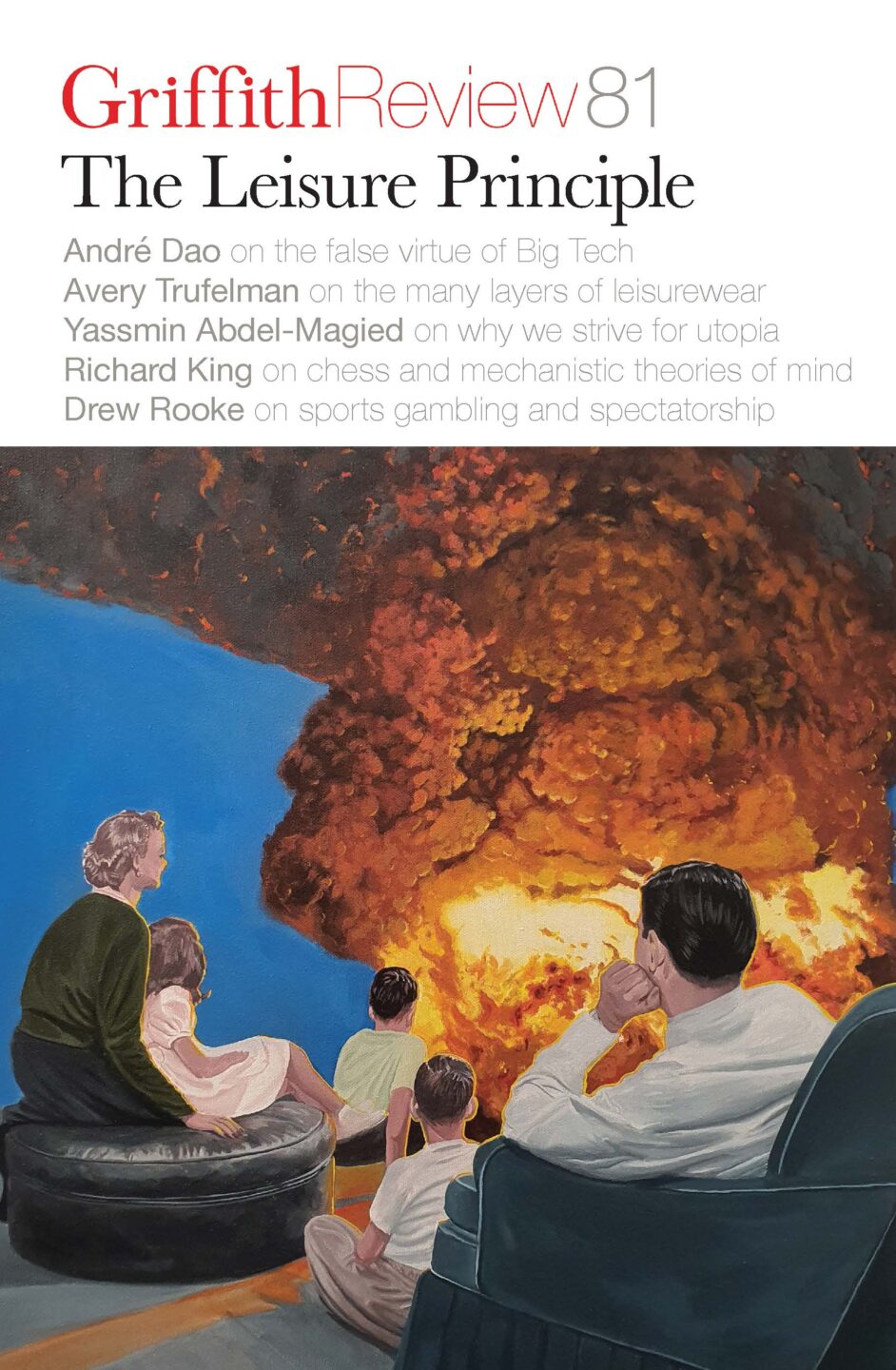
- Published 20230801
- ISBN: 978-1-922212-86-3
- Extent: 200pp
- Paperback (234 x 153mm), eBook

Already a subscriber? Sign in here
If you are an educator or student wishing to access content for study purposes please contact us at griffithreview@griffith.edu.au
Share article
More from author
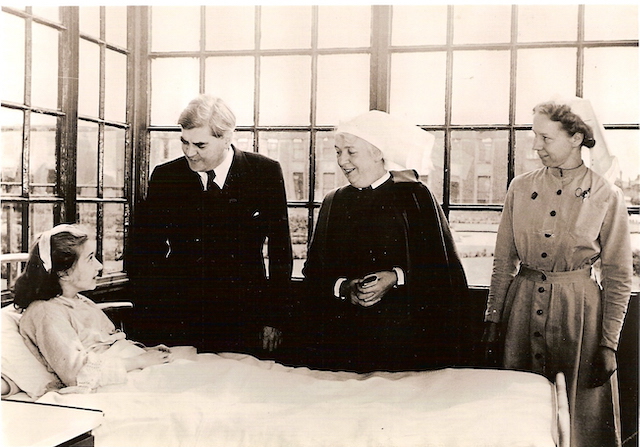
Healthcare is other people
‘I see a lot of junior doctors suspend what I think of as their natural self during training,’ Bravery tells me – the self that is patient-centred and came to the profession because they wanted to help people. ‘They think that once they get far enough along the training pathway then their natural self will just come rushing back. But often it doesn’t.’ With this observation, Bravery identifies what is known in the broader education context as the ‘hidden curriculum’, the unwritten and untaught – and generally negative – behaviours that we see in those around us and learn to emulate to assimilate and excel. In the medical context this usually means a retreat from patient-centredness, a harried and sometimes imperious air, and a concern for money and distinction. Medical students are told about patient-centred care… We labour over weekly theoretical case studies during our pre-clinical (that is, classroom) years to the constant refrain from tutors to think of the patient’s experience and social circumstances.
More from this edition

In the fullness of time
Non-fictionOur devices and data are more than extensions of our physical bodies. The so-called ‘human-centric’ approach to designing wearable and carriable devices means that they disrupt traditional divisions between work and leisure, production and consumption. It’s difficult not to feel the incursion of work-logics into leisure times and spaces as normal. Stretched for time, couples, families and friendship groups are starting to organise themselves using tools like Slack, Jira, Trello and Asana – that is, in the same way as workplaces.

‘A world we must defend’
Non-fictionSchools across Australia banned Pokémon in an attempt to regain control, but this only caused the franchise mania to intensify. Now Pokémon wasn’t just fun – it was also illegal, which meant it was dangerous, which meant trading cards on campus made you a risk-taker, which meant you were seen as fearless, which meant that you were dangerous.
Stories from the city
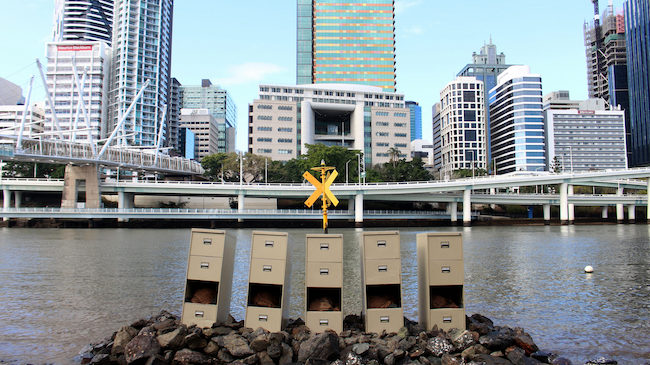
In ConversationPublic art in particular is a great way for Aboriginal and Torres Strait Islander people to tell different histories and narratives that are site specific. There are lots of hidden histories that we know as community but that lots of other people don’t, and so we use these public spaces as opportunities to install different types of artwork to allow people to engage with these histories and stories during their everyday commute...
