
Featured in

- Published 20230502
- ISBN: 978-1-922212-83-2
- Extent: 264pp
- Paperback (234 x 153mm), eBook
Already a subscriber? Sign in here
If you are an educator or student wishing to access content for study purposes please contact us at griffithreview@griffith.edu.au
Share article
About the author
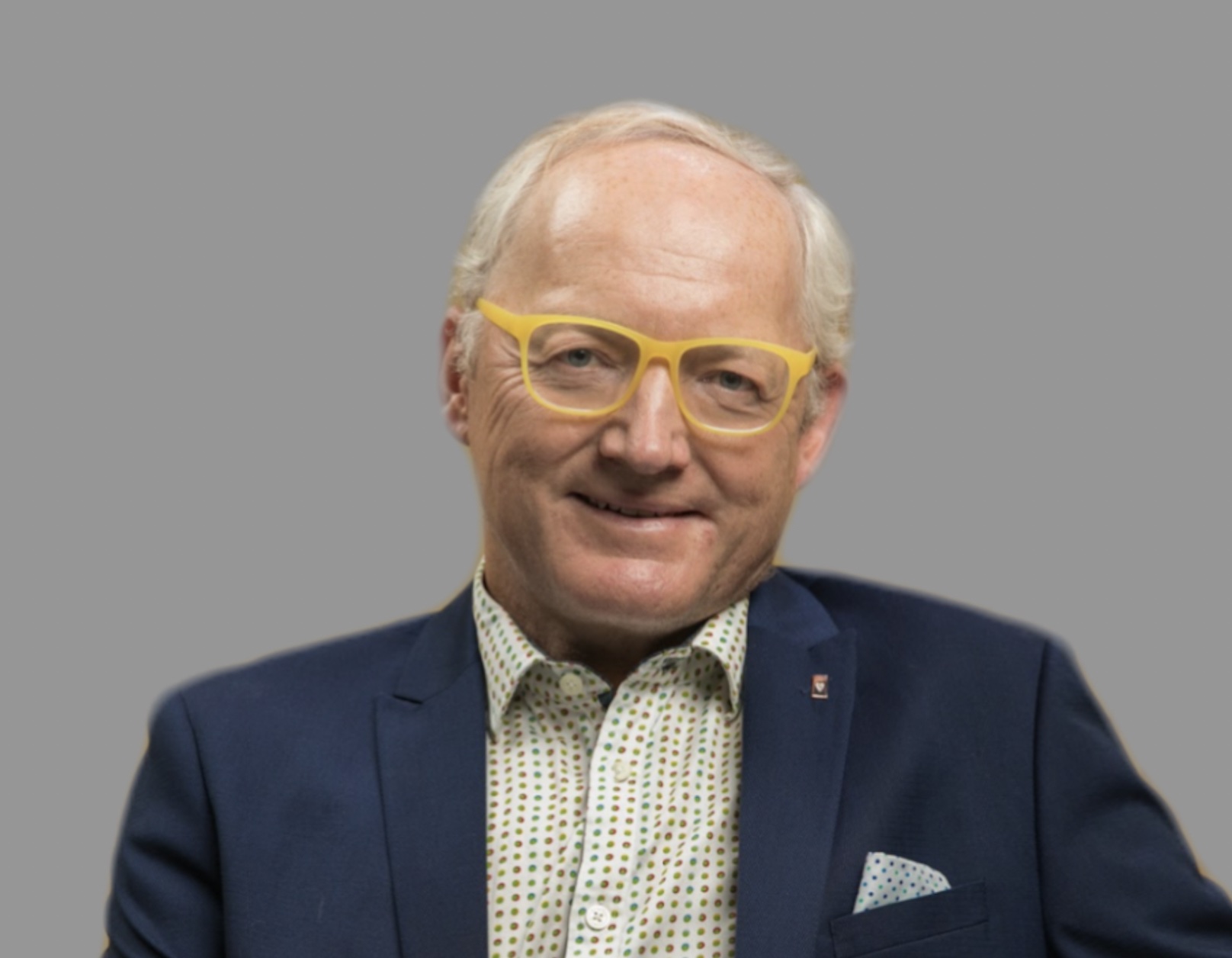
Toby Walsh
Toby Walsh is chief scientist of UNSW.ai, UNSW’s new AI Institute. His most recent book is Machines Behaving Badly: The Morality of AI, published...
More from this edition
Everybody loves beginnings
Non-fictionBeginnings are a breaking of silence that give some indication as to why the silence ought to have been broken, and the prospects of such a breaking. Why should I have broken my silence and begun this discourse? And why should the difficulties of breaking this silence, difficulties that for some reason I must enact in order to ameliorate, appear so manifestly predictable to me?
The transhuman era
Non-fictionThe story of the transhuman era has much in common with the creation myths of old – and with religious tales of transcendence. It heralds the emergence of a powerful – omniscient, omnipresent – force (AI) possessing intelligence that far exceeds our own. And lends itself to stories that play off destruction against what you could term ‘salvation’, in the form of digital immortality.
Into the swamp
Non-fictionSome versions of environmentalism understandably encourage an almost Swiftian misanthropy, with the ecological collapse framed as the inevitable response of nature to a pestiferous humanity, the only species that, by its very existence, destroys all that it touches. But maybe, just maybe, it doesn’t have to be that way.
