
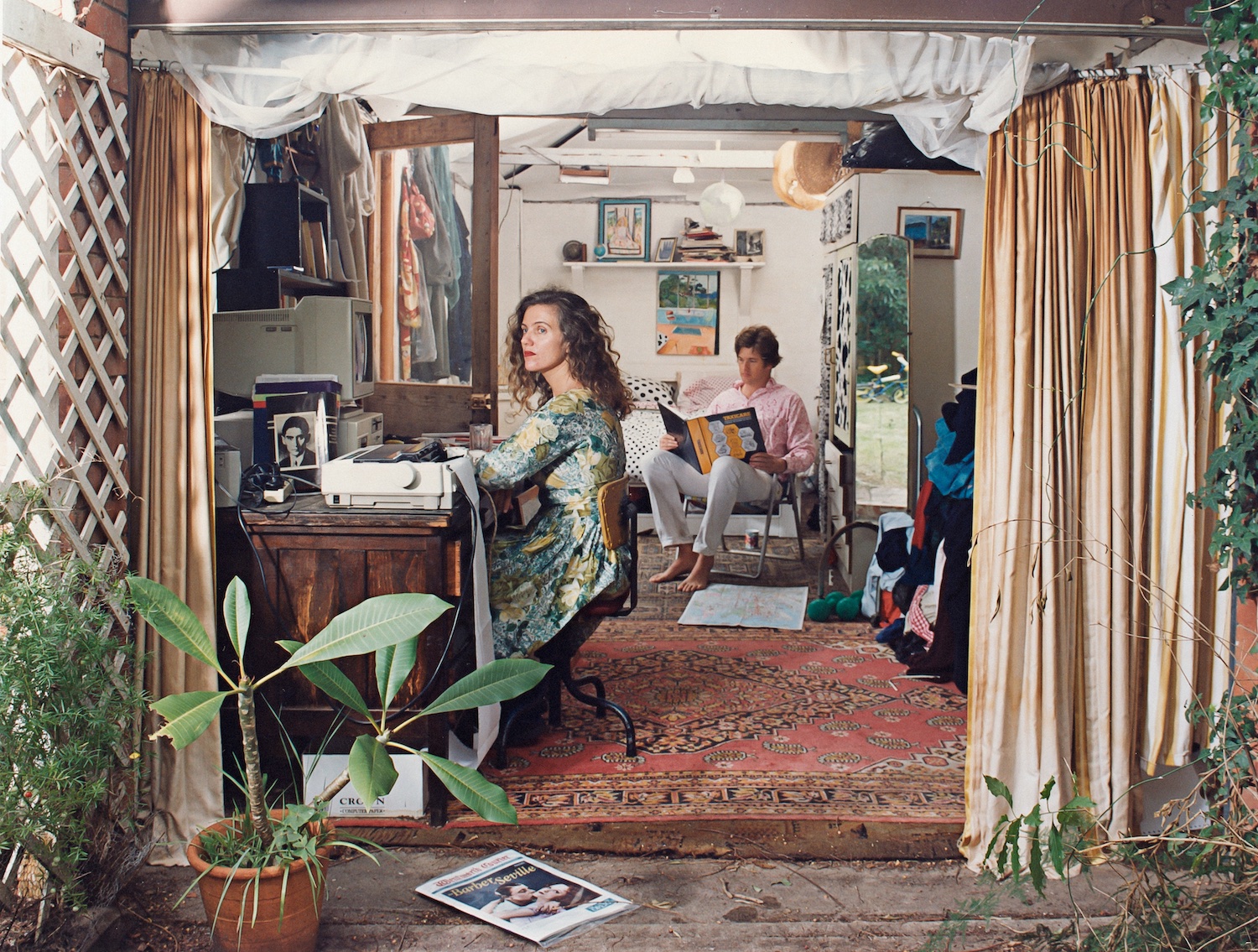
The comfort of objects
Making art from the small rituals of daily life
Featured in
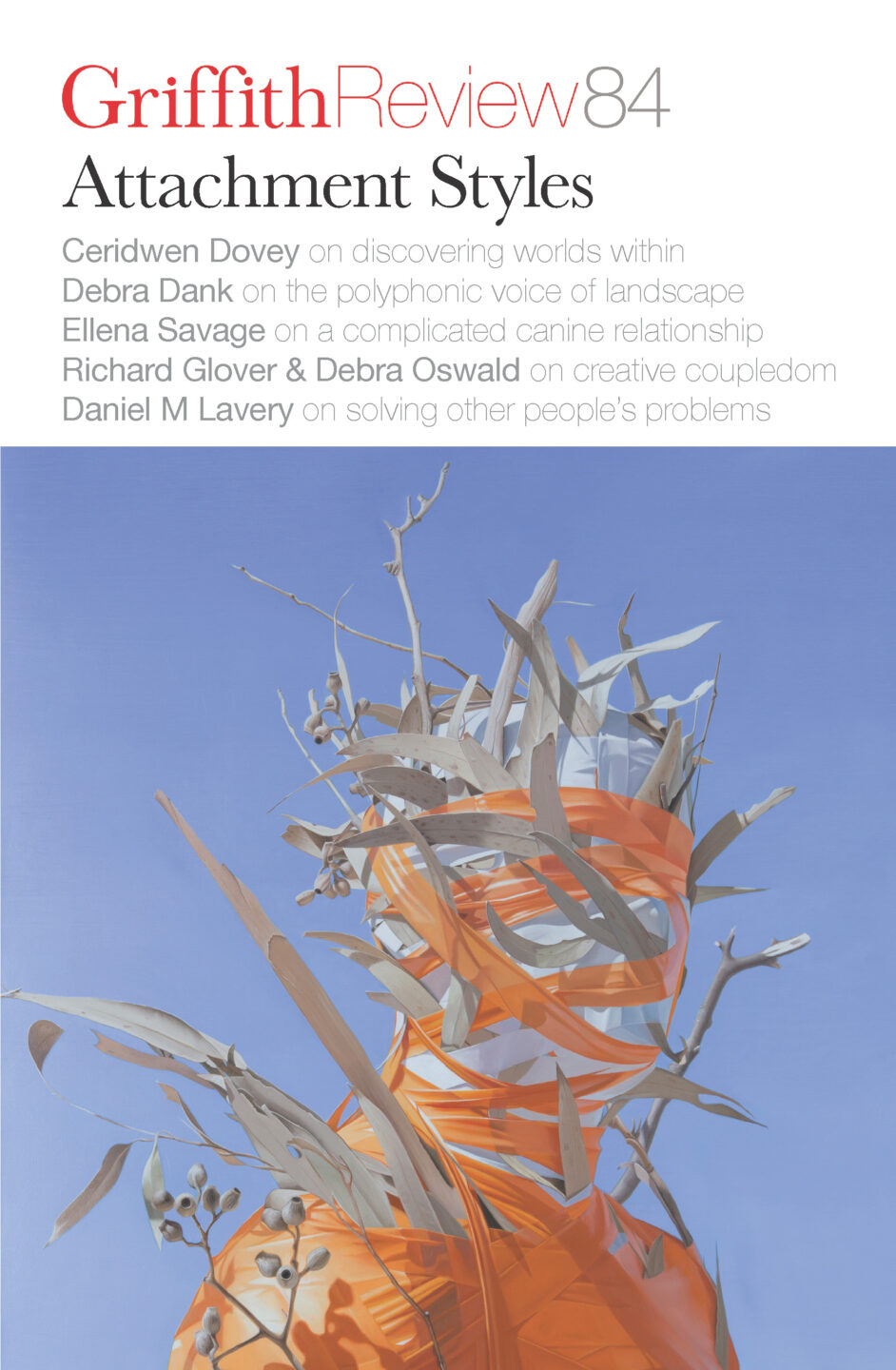
- Published 20240507
- ISBN: 978-1-922212-95-5
- Extent: 203pp
- Paperback, ePub, PDF, Kindle compatible

Already a subscriber? Sign in here
If you are an educator or student wishing to access content for study purposes please contact us at griffithreview@griffith.edu.au
Share article
About the author
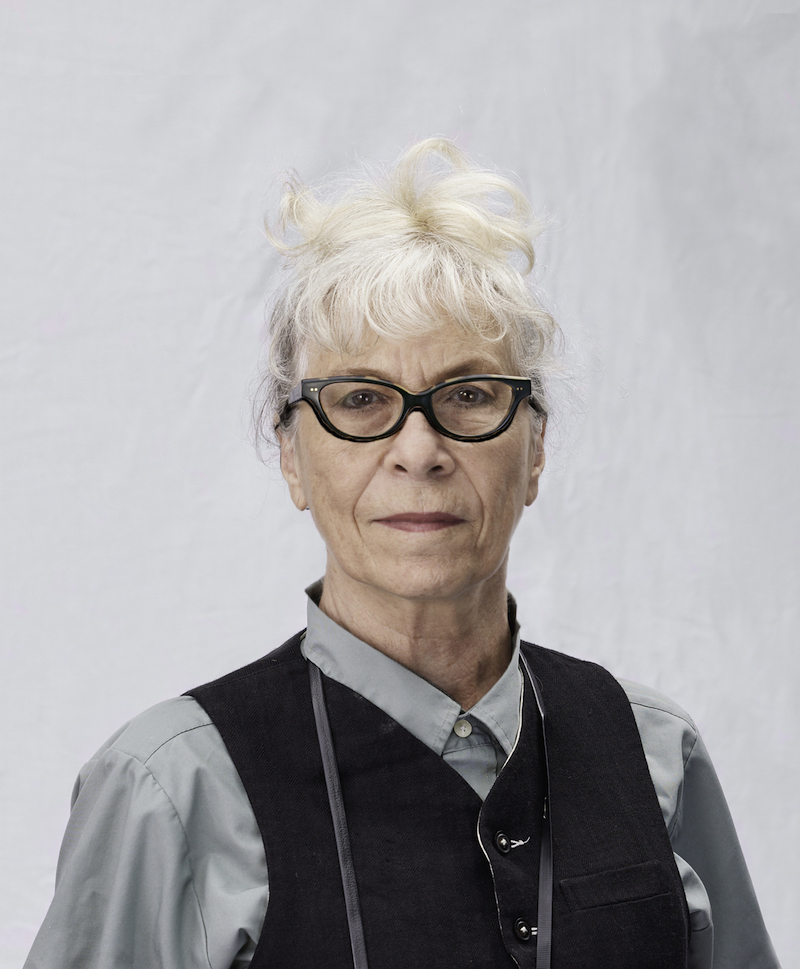
Anne Zahalka
Anne Zahalka won the Bowness Photography Prize in 2023 for her Kunstkammer at the Museum of Australian Photography. She is represented by ARC ONE...
More from this edition
Getting attached
IntroductionMore than fifty years after Larkin lamented the emotional inadequacy of generations past, we’ve equipped ourselves with an extensive vocabulary with which to characterise, analyse and diagnose our relationships with ourselves, with others, and with the places, objects and ideas that shape our sense of who we are and who we wish to become. Yet still we face the same old set of conundrums: from parasocial connections and fractious family politics to the solace we seek in non-human entities, our myriad attachments continue to offer us comfort and complication in equal measure.

Everything you could possibly imagine
FictionJoseph was one of the only patients I’d truly enjoyed interacting with, which for the weeks since his arrival had helped me cope with the ward’s sense of monotony. His beard was like a cartoon lumberjack’s, descending into a fine point and thick enough to hold objects if they were stuck into it – which, of course, we’d tried. His eyebrows erupted like old-growth forest across his forehead, almost demanding to be touched – which, of course, I hadn’t.
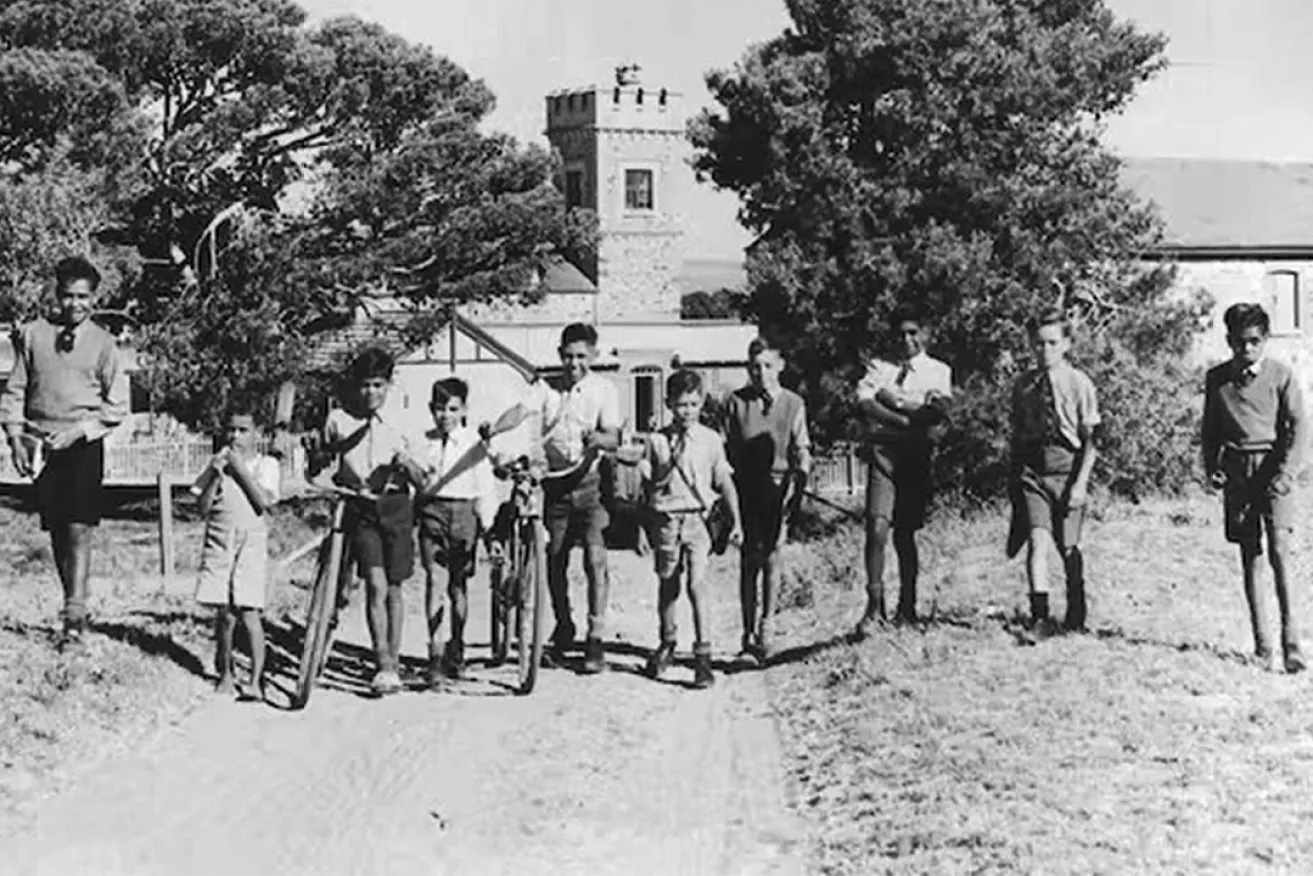
Intimacies, intricacies, cadences
Non-fictionOver cups of tea, Vince was soon telling me stories. About his grandfather, his Ngadjuri heritage, the Aboriginal boys’ home he’d lived in for seven years, a small town called Curramulka where he’d captained and coached the local Australian Rules football team. He also told a story, in passing, about how his mum had to hide him from welfare after his dad died, when Vince was a small child.
