
Featured in
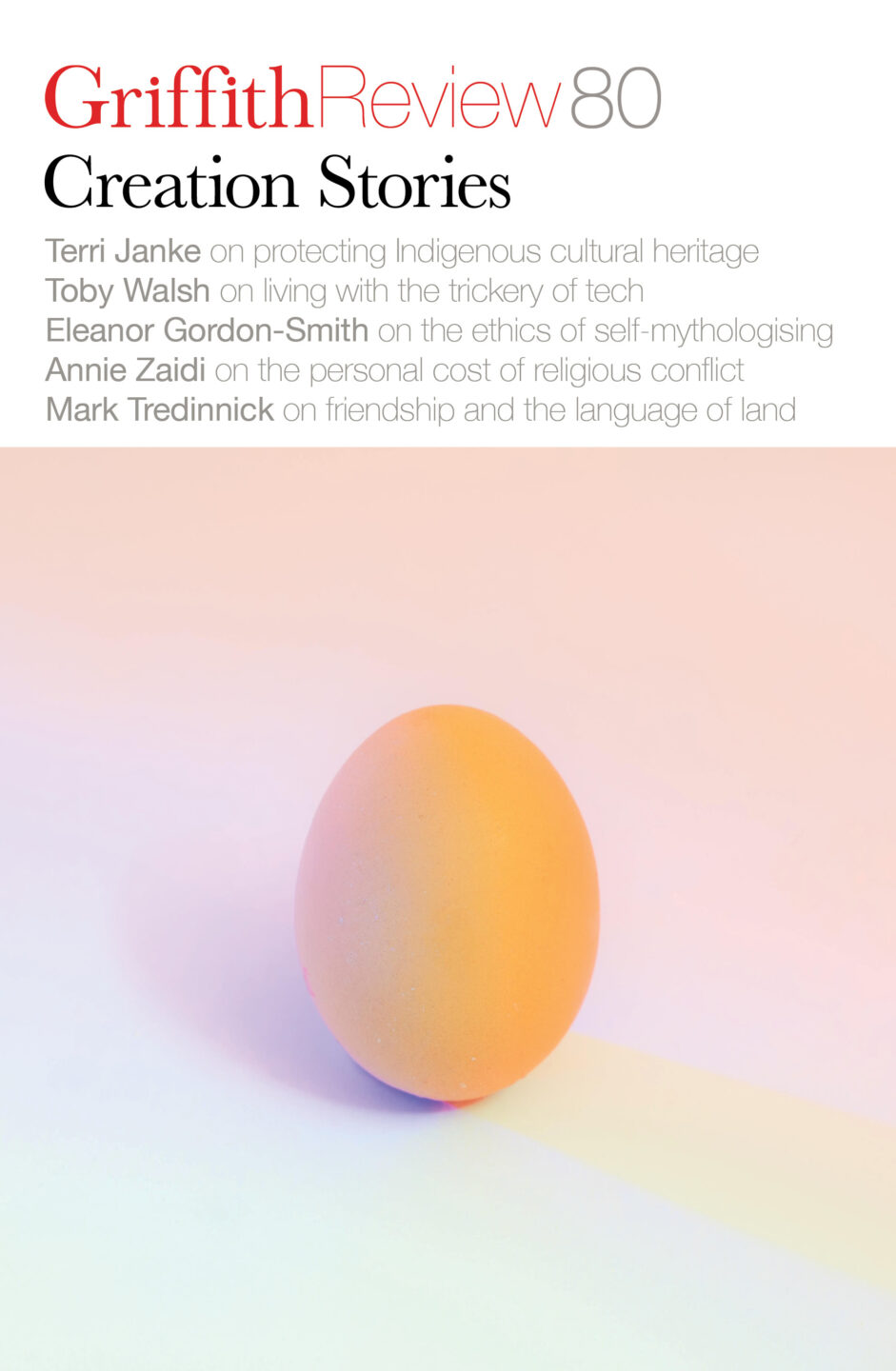
- Published 20230502
- ISBN: 978-1-922212-83-2
- Extent: 264pp
- Paperback (234 x 153mm), eBook

Already a subscriber? Sign in here
If you are an educator or student wishing to access content for study purposes please contact us at griffithreview@griffith.edu.au
Share article
More from author
Dangerous little things
MemoirMY GRANDFATHER WAS once in jail. As a kid, I’d pronounce this with a little flush of pride. My grandpa! Way back in 1941. As a...
More from this edition
Once upon a self
Non-fictionFor Plato, most notably, drama and poetry were to be regarded with intense moral and political suspicion: they made malevolent characters intelligible to their audiences; they use up our real moral sentiments by arousing them for fictional characters; and by depicting certain traits and tropes they risked seducing audiences into acting them out themselves.
Filling the void
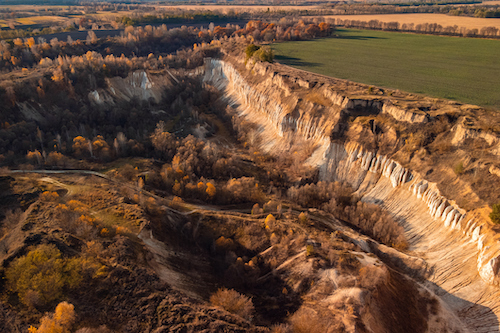
Non-fictionThese failures of clean-up, or ‘mining legacies’, are the result of booms and busts – of minerals drifting in and out of favour. Nothing is as precious as a hole in the ground – until that hole in the ground is worth less than nothing. When a boom ends and a resource’s price plummets, a quarry’s metamorphosis from asset to liability can take place in an instant. When abandoned mines are located in out-of-the-way places, populated by those with little political influence, tailings may simply be left to blow in the wind.
On the forging of identity
Non-fictionThe night Sartre spoke in Paris can be seen as a hinge in time, the moment when modernity and its focus on individual identity came to the fore after the destruction of the old order. We are still living on the far side of the door Sartre pointed us through. Of course, modernity had a thousand authors. It was the product of billions of lives lived in close proximity. But Sartre, to me, best articulated a modern creed of what it means to be human.
