
Featured in
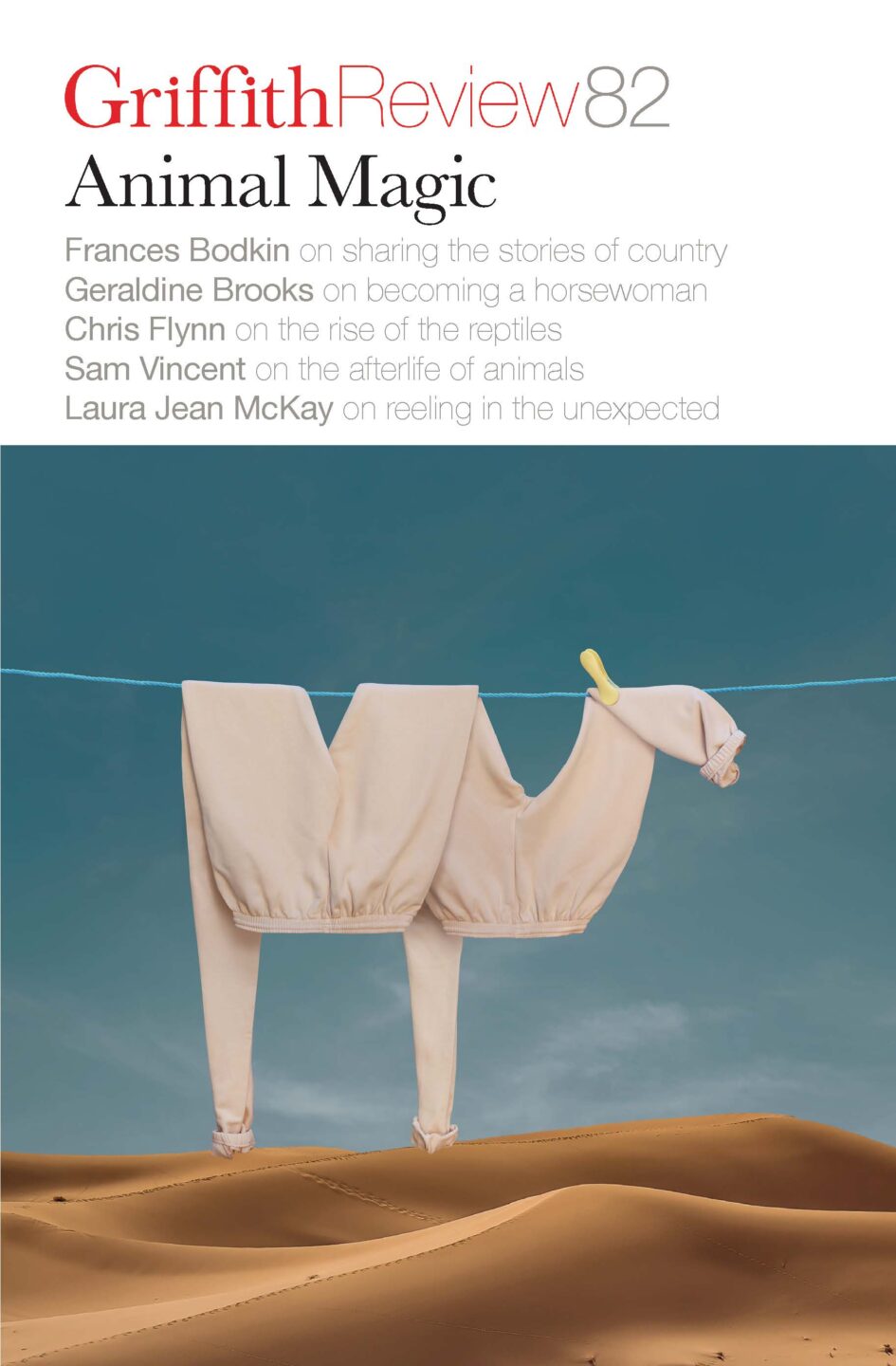
- Published 20231107
- ISBN: 978-1-922212-89-4
- Extent: 208pp
- Paperback, ePub, PDF, Kindle compatible
Already a subscriber? Sign in here
If you are an educator or student wishing to access content for study purposes please contact us at griffithreview@griffith.edu.au
Share article
More from author
My life with the wave
Non-fiction I WANT TO tell you about a difficult place that I visit regularly since moving to my suburb in the inner fringes of a...
More from this edition
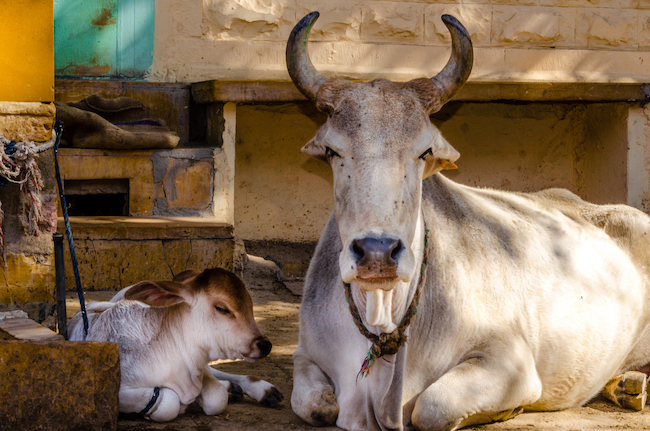
Divine dis/connection
Non-fictionMY FAMILY HAVE always been wary around animals, especially in the home (I could have written ‘non-human animals’, but a stark separation of human from animal is truer to them). My brother and I have changed because of animal encounters in share houses and via intimate others, and we now each live with a partner who likes cats (I ‘have’ one cat; he ‘has’ two). But our parents have remained the same.
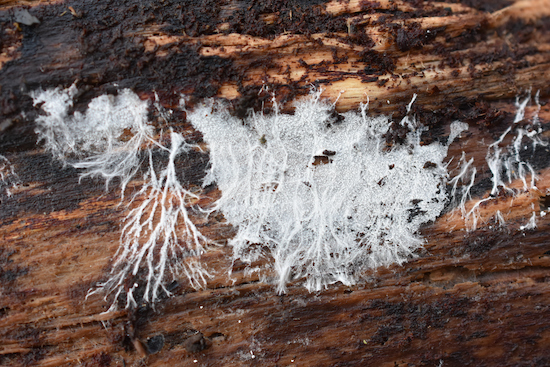
The animal in the walls
Non-fictionScrambling the scientific assumptions of the time, fungi and fungi-like organisms also gained new cultural and symbolic meanings. They began to sprout in the claustrophobic houses of gothic fiction and the swamps of horror; in the centre of the Earth and on the distant moons of science fiction; in utopian tracts, revolutionary and anti-revolutionary literature; and in the parasitic infections of the post-apocalyptic.

Help wanted
Poetry The opening said no training required; the slaughterer’s tasks are two: stun and slaughter. With a third parenthetical: Remove the organs and the waste as needed. Heifers all have name tags here:...
