
Featured in
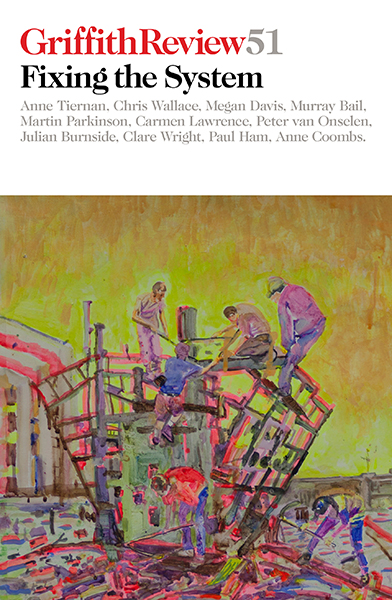
Buy
$27.99
- Published 20160202
- ISBN: 978-1-925240-80-1
- Extent: 264pp
- Paperback (234 x 153mm), eBook


Already a subscriber? Sign in here
If you are an educator or student wishing to access content for study purposes please contact us at griffithreview@griffith.edu.au
Share article
More from author

Clean, orderly and laminex coloured
EssayWHAT DOES AUSTRALIA look like? In the 1950s a school-aged Hilary McPhee, in an essay on what Australia would be like in 2000, foresaw...
More from this edition
I n t e r e s t i n g
FictionNOT MANY PEOPLE like me. I have no friends. And I would like to know why. People begin friendly enough, at least not unfriendly,...
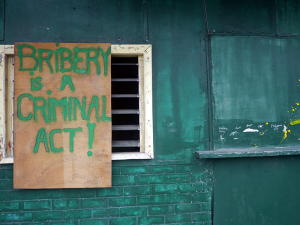
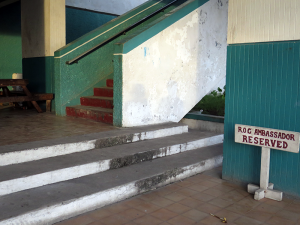
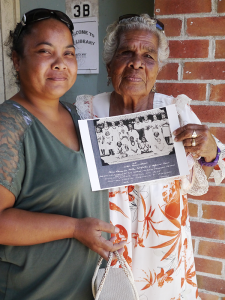
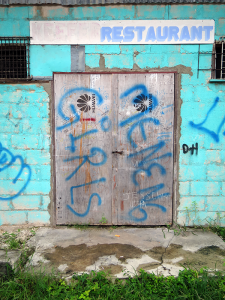
Nauru diary
Delivering on the grand bargain
MemoirIT WAS A lack of recognition and respect for Eddie Mabo’s Torres Strait Islander customs and traditions that drove him to take on the might of the Joh Bjelke-Petersen government. Mabo was a Queenslander from a humble background, though his legacy extraordinary and its consequences immeasurable.

Stay up to date with the latest, news, articles and special offers from Griffith Review.