Memory and migration

Narratives of the European diaspora in Australia

Featured in
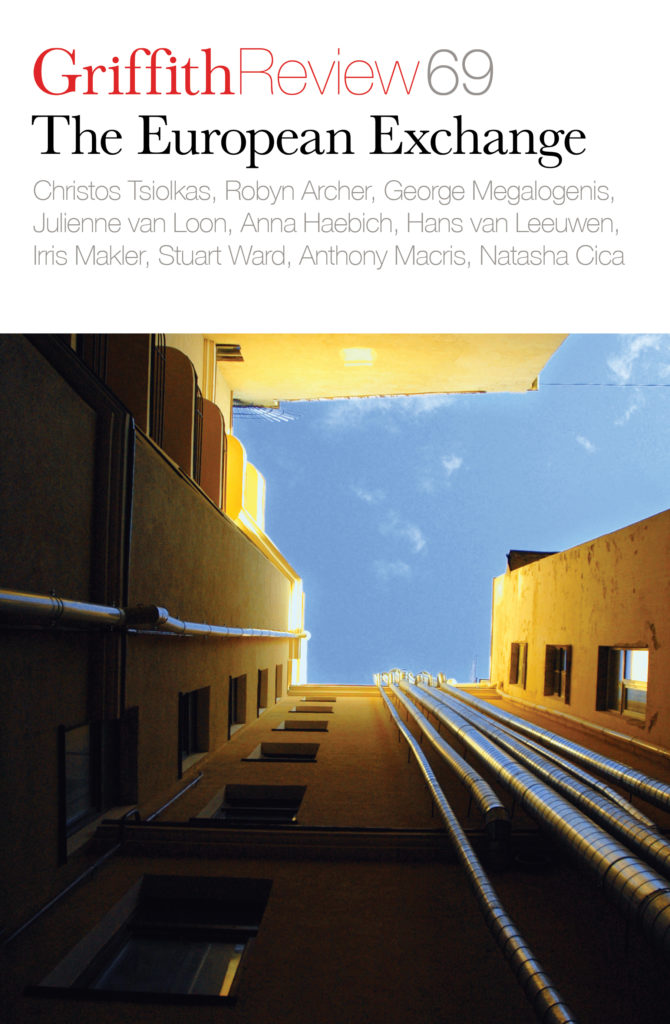
  • Published 20200804
  • ISBN: 978-1-922212-50-4
  • Extent: 304pp
  • Paperback (234 x 153mm), eBook

AS PART OF its politics of memory, the European Union has expended considerable effort creating a transnational and unifying narrative of the past. By promoting a shared memory, it hopes to generate a sense of connectedness to ensure a peaceful future. Yet, in spite of numerous resolutions adopted by the European Parliament to unite Europe in its collective remembrance, conflicts, particularly over the memory of the Second World War, continue, and have even intensified. The September 2019 resolution on ‘The importance of European remembrance for the future of Europe’ was enthusiastically greeted by some in Europe as a tribute to all victims of all totalitarian regimes – but fiercely criticised by others as gross ideological propaganda and historical revisionism. While Europe’s multiple pasts and identities cannot be shaped by resolutions or regulations, the development of more pluralistic narratives of the past might be possible and worthwhile.

In our globalised age, is it only within a particular geopolitical space that memories can reconcile – or can Europe’s past be revisited from a distance? Memories are carried beyond states and nations through various channels, often migrating with individuals. Memory that travels detaches itself from its traditional anchors of meaning: location, landscape and bordered territory, from memorial sites and culturally defined contexts of remembering. It may become abstracted and hazy and vanish with time. Or it may become insular, rancorous and dogmatic, mooring migrants and diasporas in isolated and fixed narratives of a past they associate with home. But memory that travels may also be challenged by new localities and contexts, enabling new kinds of identification. While migrants are believed to centre their memory around a homogenising image of national heritage, re-­enacting representations of the past away from its point of origin may encourage a more critical engagement with that past.

Already a subscriber? Sign in here

If you are an educator or student wishing to access content for study purposes please contact us at griffithreview@griffith.edu.au

Share article

About the author
Katarzyna Kwapisz Williams

Katarzyna Kwapisz Williams is deputy director of the Centre for European Studies at the Australian National University. She has published extensively on European diasporic...

More from this edition
Unicornered

PoetryOur dinosaur balloon has lost its pep. For weeks it commandeered the living room. It swayed above its empire like an airship puffing out its hull of...

The skies of Middle Europe

GR OnlinePrague. A mess of absinthe shops and pork knuckles, but just as much, the driveway where Heydrich’s son was run over outside the castle, and the bullet-shredded window of the basement of Ss. Cyril and Methodius Cathedral where Heydrich’s assassins hid (before the inevitable).

Squats, squares and city plans

Essay WALKING ALONG BERLIN’S River Spree one hot summer’s day in 2019, I happened upon a little garden. It was fenced, but a welcome sign sat...

Stay up to date with the latest, news, articles and special offers from Griffith Review.