
Featured in
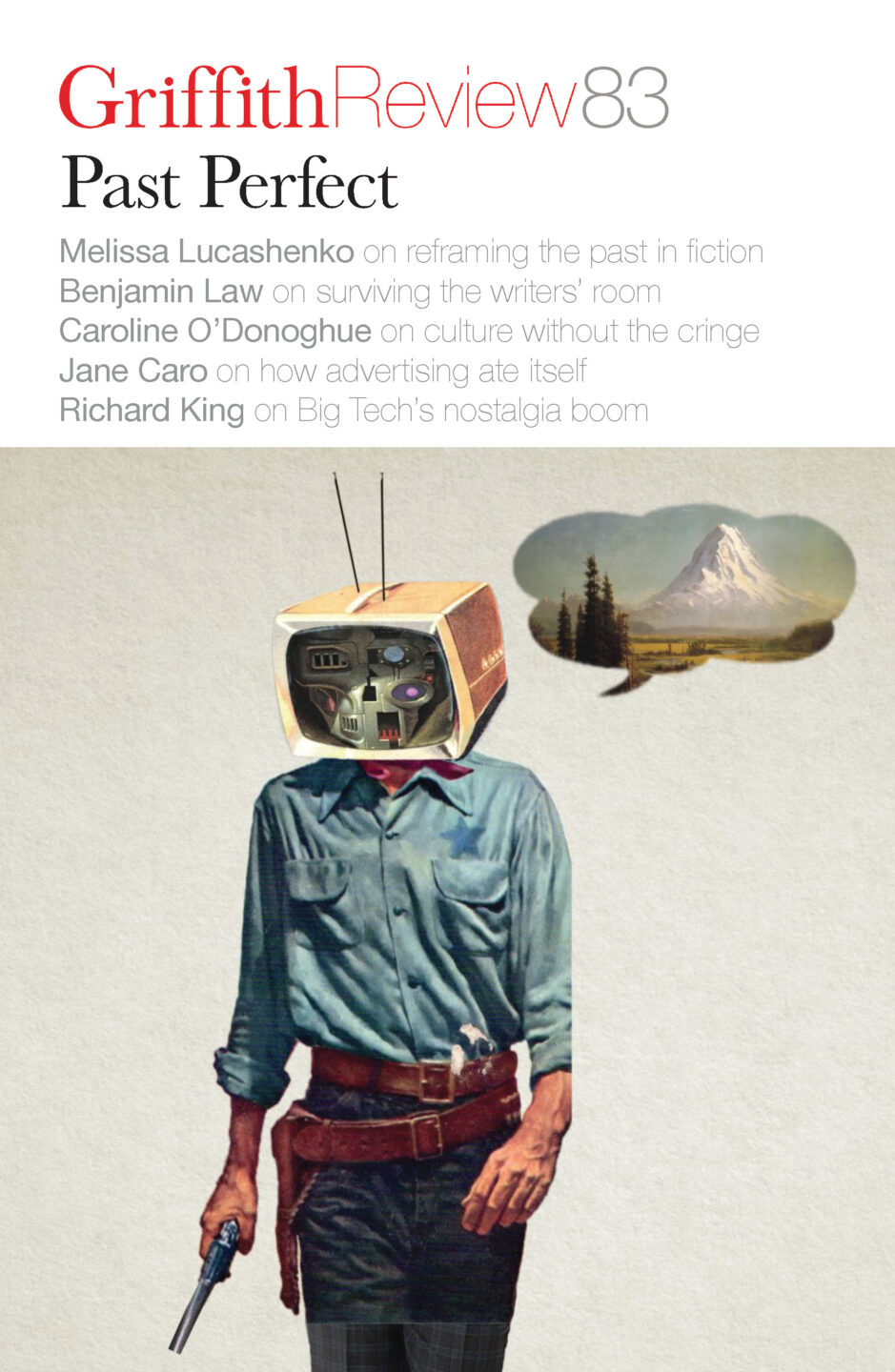
- Published 20240206
- ISBN: 978-1-922212-92-4
- Extent: 204pp
- Paperback, ePub, PDF, Kindle compatible
Already a subscriber? Sign in here
If you are an educator or student wishing to access content for study purposes please contact us at griffithreview@griffith.edu.au
Share article
About the author

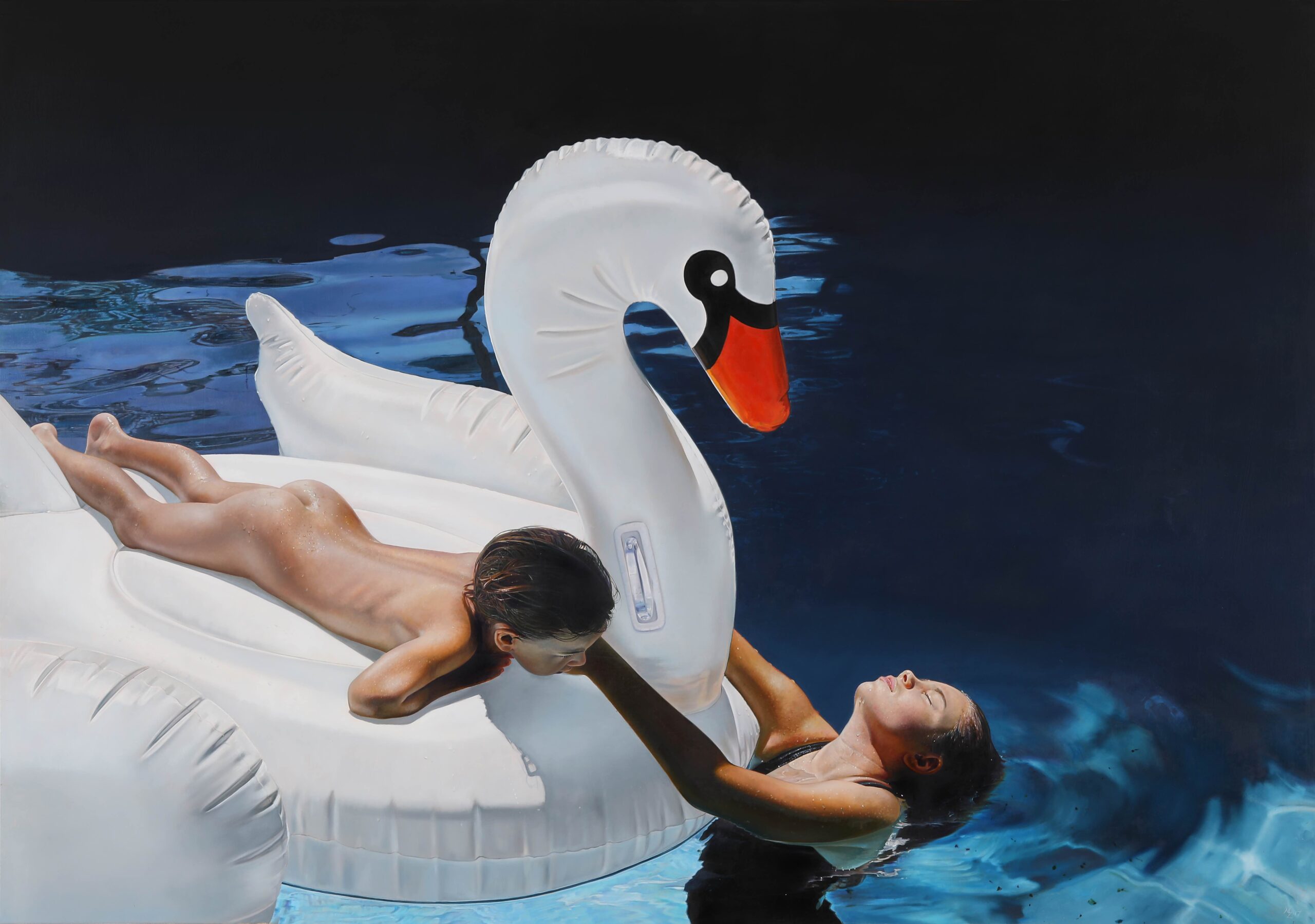
Michael Zavros
Michael Zavros works across painting, drawing, sculpture, photography and film. He has exhibited widely within Australia and internationally, and his work is held in the...
More from this edition

Cinema
Poetry I cry in the cinema Or not cry So hard that my head aches with the holding back Not in the film When those beside me weep Manipulated by...

Walking through the mou(r)n(ing of a)tain(ted life)
Non-fictionMy big black cloak could probably keep me from freezing overnight. I remember a movie where a character smeared a layer of dirt over their body to stay warm. That would be my ‘break in case of emergency’ action…if my OCD will bury the anxiety of contamination for survival’s sake.

The fall of the madmen
Non-fictionThe problem with a fear-based workplace – and indeed world – is that caution and compliance are not compatible with creativity. Creativity searches for the things that have never been done before, on which, by definition, there is as yet no data. Scott Nowell argues that the obsession with data has made us lose faith in our own instincts, so it’s not surprising that creativity is not valued the way it once was. And the source of creativity has shifted to the consumers themselves.
